


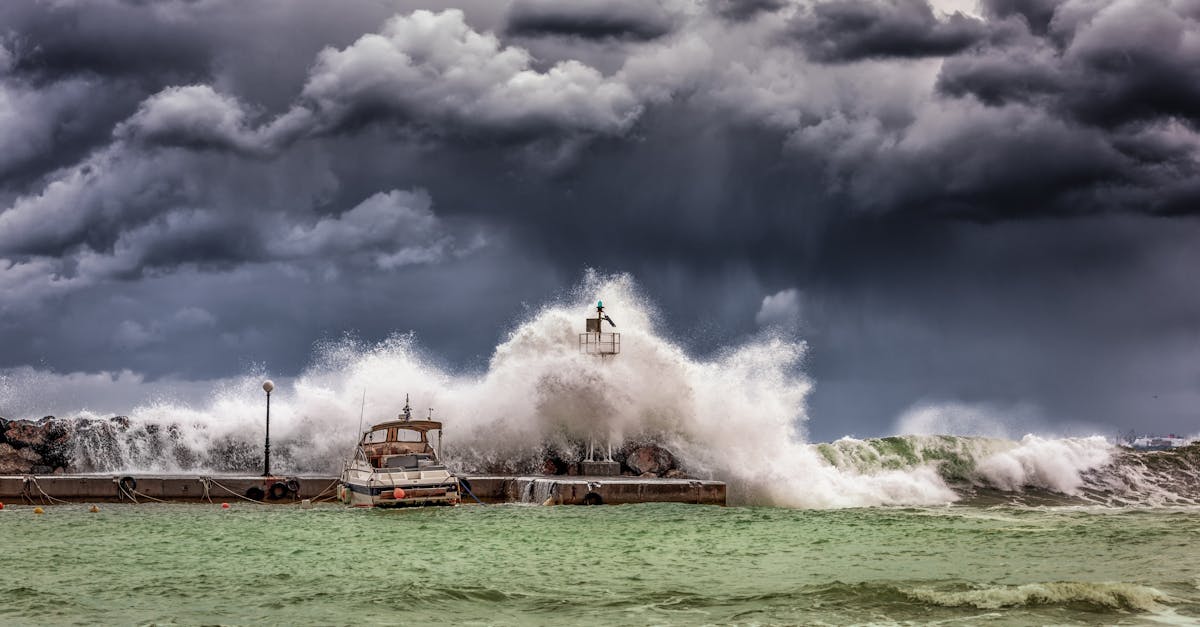
El Niño Hurricane Season Demands Updated Business Disaster Plans
With the official hurricane season running through November 30, 2026, and influenced by an El Niño pattern, Hawaii businesses face an elevated risk of severe weather events. The Hawaiʻi Red Cross is actively preparing for a potentially busier-than-normal season by launching its ‘Shelter Hero’ volunteer training program. This initiative aims to bolster community readiness and response capacity in the event of a disaster.
While no immediate policy changes are mandated, the increased threat level requires businesses to reassess their current disaster preparedness, business continuity, and communication plans. Ignoring potential impacts could lead to significant financial losses, operational downtime, and reputational damage.
Who's Affected
Small Business Operators: Restaurants, retail stores, and service providers face direct threats to physical locations, potential supply chain disruptions, and employee safety concerns. Increased reliance on robust business interruption insurance and clear communication protocols with staff and customers is critical. A prolonged or severe event could lead to significant revenue loss and extended recovery periods.
Real Estate Owners: Property owners, landlords, and developers must consider the increased risk of storm-related damage to their assets, from commercial buildings to residential properties. This may necessitate higher insurance premiums, increased security and maintenance budgets, and potentially longer-term vacancy if damage is severe.
Tourism Operators: Hotels, tour companies, and vacation rental agencies are particularly vulnerable. Severe weather can lead to mass cancellations, reduced visitor arrivals, and extended recovery times that impact booking calendars well into the future. Ensuring guest safety and clear communication during an event are paramount for maintaining reputation and future bookings.
Healthcare Providers: Clinics, private practices, and medical facilities must ensure their infrastructure can withstand extreme weather, including power outages and potential damage. This also involves having contingency plans for staff availability, supply chain for medical necessities, and managing increased patient loads during and after an event. Telehealth services may see increased demand but depend on reliable infrastructure.
Agriculture & Food Producers: Farms, ranches, and aquaculture operations are directly exposed to weather impacts. Crop damage, livestock loss, and disruption to transportation and export logistics can lead to immediate financial losses and long-term agricultural output reduction. Securing power and water resources during an event and having robust supply chain resilience plans are vital.
Second-Order Effects
An active hurricane season and potential widespread damage can strain Hawaii's already limited infrastructure, leading to prolonged power outages and disrupted transportation networks. This can cascade into significant increases in the cost of essential goods due to shipping delays and increased demand. For businesses, this translates to higher operating costs, potential inventory shortages, and decreased consumer spending power, impacting sectors beyond direct storm-hit areas.
What to Do
This period of heightened risk demands proactive preparation. Businesses should:
- Review and Update Disaster Preparedness Plans: Ensure plans include clear communication strategies for employees and customers, emergency contact lists, evacuation procedures, and data backup protocols. Assess insurance coverage for adequacy against storm damage and business interruption.
- Secure Physical Assets: Take steps to protect property, such as reinforcing windows, securing outdoor equipment, and clearing potential hazards (e.g., debris, overhanging branches).
- Communicate with Stakeholders: Inform employees about emergency procedures and consider their safety. For tourism operators, proactively communicate with guests regarding potential impacts and cancellation policies.
- Explore Community Preparedness Resources: The Hawaiʻi Red Cross is offering ‘Shelter Hero’ volunteer training. Encouraging employees or yourself to participate can enhance individual and community resilience. While this training is for volunteers, the knowledge gained is invaluable for any business leader.
- Monitor Weather and Official Guidance: Stay informed through reliable sources such as the National Weather Service and the Hawaiʻi Emergency Management Agency.
Action Details
Watch the National Hurricane Center storm outlooks weekly. If a storm system tracks towards Hawaii or an El Niño-enhanced forecast predicts above-average activity, revisit employee communications, reinforce critical infrastructure at your business location, and confirm supply chain contingency plans are ready for activation.


