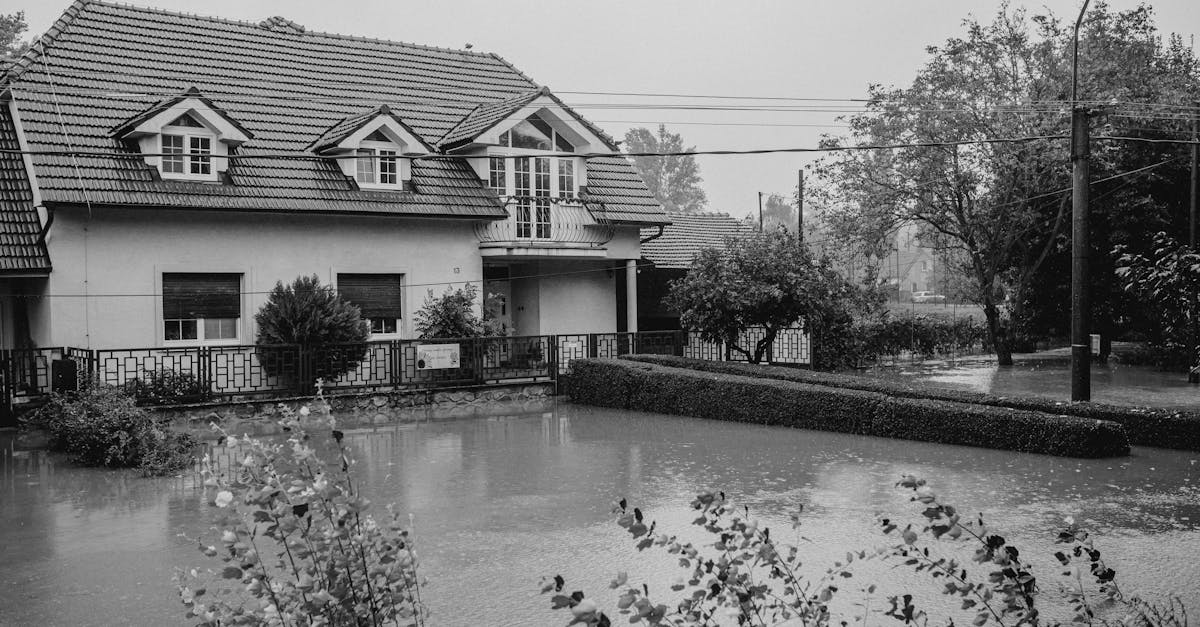
Hawaii Flood Insurance Premium Hikes Signal Increased Property Risk and Potential for Higher Operating Costs
Recent indications of rising FEMA flood insurance premiums in Hawaii necessitate a proactive approach from property owners and investors. As policies renew, these increases can translate into significant additional operating expenses and impact investment profitability, especially for those holding properties in flood-prone areas. The comparison between insurance costs and potential FEMA grants for flood mitigation or damage further complicates financial planning, demanding immediate attention to policy details and alternative risk management strategies.
The Change
As of early 2026, policyholders with the National Flood Insurance Program (NFIP), underwritten by FEMA, are experiencing or anticipating substantial increases in their flood insurance premiums. This trend is driven by FEMA's Risk Rating 2.0 methodology, which aims to price insurance rates more equitably based on individual property risk rather than broad flood zones. Properties with elevated flood risk, regardless of their stated flood zone, are likely to see the most significant hikes. For those fortunate enough to have no flood damage history, the renewal notices might still reflect these adjusted risk-based premiums, potentially leading to double-digit percentage increases annually until rates fully reflect the calculated risk. While FEMA grants exist for flood mitigation, they are typically project-specific and require an application process, not a direct substitute for mandatory flood insurance in high-risk areas or for properties with federally backed mortgages.
Who's Affected
Real Estate Owners: Owners of properties located in areas designated as high-risk flood zones, or those identified as high-risk under FEMA's Risk Rating 2.0, will be directly impacted by rising insurance premiums. This includes residential landlords, commercial property owners, and developers. Potential increases of 15-25% or more year-over-year are not uncommon under the new rating system, directly affecting net operating income. For landlords, these increased costs may necessitate higher rental rates, potentially impacting tenant retention and market competitiveness. Developers securing financing for properties in flood-prone areas will also face higher carrying costs, which must be factored into project feasibility studies.
Investors: Real estate investors, including those in private equity or holding diversified portfolios, must account for these rising insurance costs. For properties already in portfolio, increased premiums reduce cash flow and may require adjustments to return-on-investment calculations. New acquisitions in flood-vulnerable areas may become less attractive due to the unpredictable nature of future insurance costs. This also impacts the valuation of existing flood-prone assets, potentially decreasing market value if insurance costs become prohibitive for future buyers. The comparison clients are starting to make between high insurance premiums and the uncertain, competitive nature of FEMA grant applications highlights a growing financial risk for investors in Hawaii's real estate market.
Second-Order Effects
Rising flood insurance premiums can trigger a cascade of economic consequences within Hawaii's unique, constrained market:
- Increased Property Operating Costs: Higher annual insurance premiums directly inflate the cost of owning and maintaining flood-prone properties.
- Rental Rate Escalation: Landlords may pass these increased costs onto tenants through higher rents, impacting affordability and potentially reducing demand for rental units.
- Reduced Property Affordability & Shadow Market: As insurance costs climb, the overall affordability of flood-prone properties decreases. This could lead to fewer buyers willing to purchase in these areas, potentially suppressing property values or creating a shadow market where insurance is bypassed where legally permissible, increasing systemic risk.
- Impact on Tourism Infrastructure: Many tourism-related businesses, including hotels and vacation rentals, are situated in coastal, flood-prone areas. Elevated insurance costs can strain their operational budgets, potentially leading to price increases for tourists or reduced investment in property upkeep and upgrades.
What to Do
For Real Estate Owners:
- Immediate Policy Review & Quote Gathering: Before your current policy's renewal date, obtain at least three new quotes from licensed insurance agents specializing in flood insurance. Understand the specific factors driving any premium increase under FEMA's Risk Rating 2.0 methodology.
- Explore Mitigation Options: If your property's risk score has increased, investigate cost-effective flood mitigation measures (e.g., elevation, flood vents, seal coatings). Research eligibility and application windows for potential FEMA grants, understanding that grants usually require matching funds and are competitive.
- Financial Planning Adjustment: Adjust your operating budget to account for the likely higher annual insurance costs. For rental properties, re-evaluate your lease agreements and potential rent adjustments, considering market tolerance.
- Consult Financial Advisors: Discuss the long-term financial implications with your financial planner or real estate advisor to ensure your investment strategy remains sound.
For Investors:
- Portfolio Risk Assessment: Conduct a thorough risk assessment of your real estate portfolio, specifically identifying assets in high-risk flood areas and quantifying the potential impact of rising insurance costs on cash flow and valuation.
- Scenario Planning: Develop financial scenarios for potential future insurance premium increases, factoring these into your hold period analysis and projected returns.
- Due Diligence Enhancement: For any potential new acquisitions in flood-prone areas, allocate additional time and resources to the flood risk assessment and insurance cost analysis. Do not rely solely on existing flood zone maps, but rather on the property-specific risk rating if available.
- Diversification Strategy: Review your portfolio diversification strategy to ensure you are not overexposed to flood-related real estate risks. Consider diversifying into asset classes or geographic locations with lower flood exposure.
Action Details: Real estate owners facing imminent flood insurance policy renewals must obtain new quotes and fully understand premium changes before the renewal deadline. Investors should incorporate potential future insurance cost increases into their portfolio risk assessment and acquisition due diligence processes before committing capital to flood-prone properties.