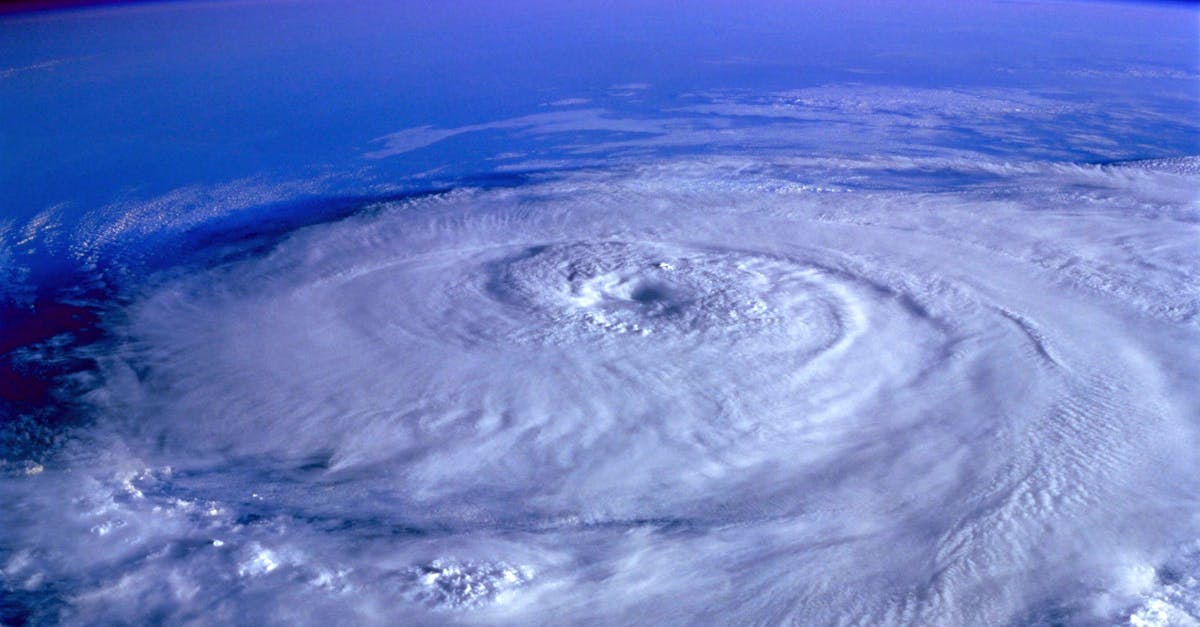
Increased Hurricane Risk Escalates Property Vulnerability and Costs
Following recent severe weather events and with Hawaii's hurricane season actively underway, emergency officials are urging residents and businesses to bolster their preparedness. While direct hurricane impacts have been infrequent, the recent Kona-low storms that caused significant damage across the islands have amplified concerns about future meteorological threats. Hurricane retrofit company owners report a notable increase in inquiries and bookings for home protection services, indicating a growing awareness among property owners of the potential for severe weather events.
This heightened risk landscape means a greater likelihood of insurance claims, which can lead to increased premiums and more stringent policy requirements for property owners across Hawaii. The potential for significant property damage necessitates immediate attention to structural integrity and preparedness measures.
Who's Affected
-
Real Estate Owners (Property Owners, Developers, Landlords, Property Managers): The primary impact is a potential rise in property insurance premiums as insurers reassess risk profiles. Owners may face increased costs for basic coverage or find it harder to secure comprehensive policies. Furthermore, the risk of damage from high winds, heavy rain, and storm surge necessitates budgeting for potential structural retrofits, such as reinforced roofing, storm shutters, and improved drainage systems. Property managers should proactively communicate with tenants about preparedness measures and review lease agreements for clauses pertaining to weather-related damage and insurance responsibilities. Developers planning new construction projects need to factor in potentially higher building code requirements and material costs associated with hurricane resilience.
-
Tourism Operators (Hotels, Tour Companies, Vacation Rentals): Although no direct structural damage is guaranteed, tourism businesses must consider the economic implications of increased hurricane threats. Post-storm recovery periods can lead to significant drops in visitor numbers, affecting occupancy rates and tour bookings. Supply chain disruptions for food and goods could impact service delivery and increase operating costs. Hotels and vacation rental owners should ensure their properties are adequately insured and have contingency plans in place for guest safety and potential cancellations. Tour operators might need to adjust schedules or cancel bookings during active storm periods, impacting revenue and customer satisfaction.
-
Small Business Operators (Restaurants, Retail Shops, Service Businesses): Similar to tourism operators, small businesses face risks from potential supply chain interruptions and reduced foot traffic during and after storm events. Businesses relying on specific imported goods or fresh produce could experience shortages and price spikes. Physical damage to storefronts or inventory could lead to costly repairs and business interruption. Service-based businesses might experience cancellations and a temporary dip in demand. Owners should review their business interruption insurance coverage and develop emergency operational plans.
Second-Order Effects
- Increased demand for hurricane retrofit services and materials places pressure on specialized labor and supply chains, potentially leading to higher costs and longer wait times for professional services and construction materials.
- A surge in insurance claims and payouts could strain the capacity of local insurance providers, potentially leading to market consolidation or a shift towards higher deductibles and premiums statewide.
- Elevated property risks may affect the long-term viability of certain low-lying or coastal real estate investments, influencing property values and future development decisions.
What to Do
-
Real Estate Owners: Proactively obtain updated insurance quotes and review policy details to understand coverage limits, deductibles, and exclusions related to hurricane damage. If premiums are set to increase significantly, explore affiliated insurance providers or independent brokers. Begin soliciting quotes for hurricane retrofitting services to understand potential costs and timelines for structural improvements. Develop or update your emergency preparedness plan, including evacuation procedures and communication strategies for tenants or staff. Monitor National Hurricane Center advisories and local emergency management alerts closely throughout the season.
-
Tourism Operators: Review your business interruption insurance policies. Identify critical suppliers and explore alternative sourcing options for essential goods. Develop communication protocols for informing guests about potential disruptions and cancellation policies. Train staff on emergency procedures and guest safety protocols.
-
Small Business Operators: Assess your current insurance coverage, particularly business interruption and property damage clauses. Identify potential vulnerabilities in your supply chain and research alternative suppliers. Create a business continuity plan that includes procedures for temporary closure, communication with customers, and recovery.
Action Details
Watch filings for property insurance rate changes from the Hawaii Department of Commerce and Consumer Affairs and monitor National Hurricane Center advisories for tropical cyclone development in the Pacific. If a storm is forecast to directly impact Hawaii, review your insurance policy details and implement your emergency preparedness plan immediately.