


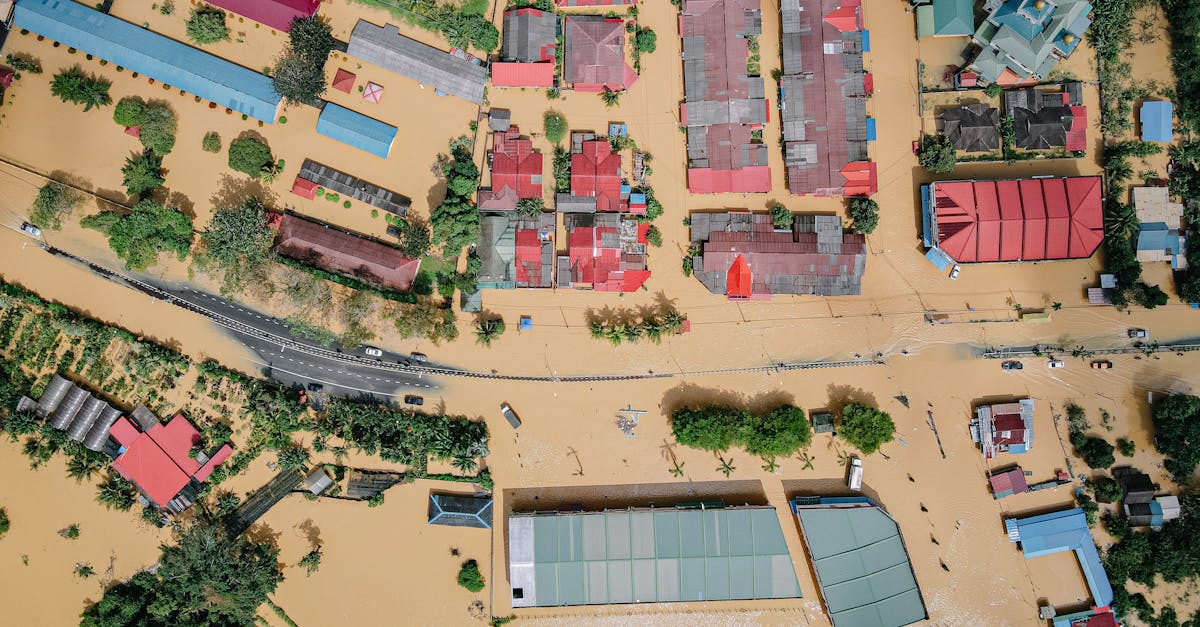
20-Year Flood Declaration Triggers Review of Business Continuity and Infrastructure Risk
The recent severe kona storms have resulted in a declaration of the largest flood event in Hawaiʻi in 20 years. This designation, confirmed by Governor Josh Green, signifies a significant strain on the state's infrastructure and necessitates a proactive review of business continuity plans, insurance coverage, and potential supply chain vulnerabilities.
The Change
Governor Josh Green has declared the recent severe kona storm, compounded by an additional event this week, as the most significant flood Hawaiʻi has experienced in two decades. This declaration, while not imposing immediate new regulations, officially recognizes the severity of the impacts, which typically prompts increased scrutiny from state and federal agencies regarding disaster relief, infrastructure resilience, and environmental protection. The long-term implications include a heightened focus on updating building codes, utility infrastructure, and emergency response protocols.
Who's Affected
Small Business Operators
Businesses face direct impacts from potential damage to physical locations, inventory loss, and extended periods of operational downtime. Supply chain disruptions due to damaged roads and ports can lead to increased costs for goods and raw materials, while reduced local consumer spending due to personal property damage could impact revenue. Businesses should assess their current inventory levels and supplier reliability.
Real Estate Owners
Property damage from flooding, landslides, and structural stress are immediate concerns. This declaration increases the likelihood of rising insurance premiums and potential difficulties in securing new coverage for high-risk areas. Landlords may face increased repair costs and tenant displacement, impacting rental income. Developers planning projects in flood-prone areas may encounter stricter permitting requirements and increased scrutiny regarding drainage and resilience.
Tourism Operators
Visitor arrival disruptions due to flight cancellations and damaged transportation infrastructure are likely. Hotels and vacation rentals in affected areas may sustain damage, leading to closures and lost bookings. The overall visitor experience can be negatively impacted by visible damage and ongoing recovery efforts, potentially affecting booking rates in the short to medium term.
Agriculture & Food Producers
Crops are vulnerable to inundation, soil erosion, and nutrient depletion. Livestock may be at risk, and critical farm infrastructure such as irrigation systems and storage facilities could be compromised. Transportation of produce to local markets and export facilities may face significant delays and cost increases due to damaged roads and port congestion.
Second-Order Effects
Infrastructure Strain Impacts Supply Chains and Operating Costs
The extensive damage from a 20-year flood event will likely strain existing transportation and utility infrastructure. This can lead to prolonged road closures, port congestion, and potential disruptions to power and water services. For businesses, this translates to increased logistics costs, supply shortages, and higher operational expenses due to reliance on backup power or water. These cumulative cost increases can pressure profit margins, especially for small businesses with less negotiating power.
Insurance and Risk Assessment Adjustments
The recurrence of severe weather events and the official "20-year flood" designation will likely prompt insurance providers to reassess risk profiles for properties across the islands. This could lead to significant increases in premiums for property and business interruption insurance, particularly in coastal and low-lying areas. Businesses and property owners will need to budget for these increased costs or explore alternative risk mitigation strategies.
What to Do
Small Business Operators
Monitor: Track local infrastructure status (road closures, utility outages) and official disaster relief announcements. Monitor your suppliers for extended lead times or price increases. Action Trigger: If key transportation routes to your business or suppliers are closed for more than 5 days, or if utility outages exceed 48 hours, initiate your business continuity plan for extended disruption. Review your insurance policy regarding business interruption coverage and flood damage within the next 30 days to ensure adequate protection.
Real Estate Owners
Monitor: Assess visible property damage and document it thoroughly with photos and videos. Track any new advisories or building code updates from county planning departments related to flood resilience. Monitor insurance adjustor availability and claim processing times. Action Trigger: If your property sustained significant damage (e.g., requiring structural repairs or extensive remediation), file an insurance claim immediately and consult with a qualified contractor. If insurance claim processing exceeds 60 days without resolution, consider escalating the claim or seeking legal counsel.
Tourism Operators
Monitor: Stay updated on inter-island and mainland flight schedules, road conditions impacting visitor access, and advisories from the Hawaiʻi Tourism Authority. Monitor guest reviews for mentions of persistent environmental issues. Action Trigger: If major transportation arteries serving tourist areas remain impassable for over a week, or if significant damage impacts your property's operational capacity, adjust bookings and communicate proactively with future guests. Review your cancellation policies and consider offering flexible rebooking options for affected travelers.
Agriculture & Food Producers
Monitor: Assess damage to crops, fields, and irrigation systems. Track news regarding road closures affecting access to markets or processing facilities. Monitor water table levels and availability for irrigation post-storm. Action Trigger: If access to critical markets or processing facilities is blocked for more than 3 days, explore alternative transport or storage solutions. If crop yields are significantly impacted, reassess planting schedules and consider diversifying crop types for future resilience.


