In-Depth
Inter-island Shipping Disruptions Imminent: Tropical Storm Lala Threatens Supply Chains
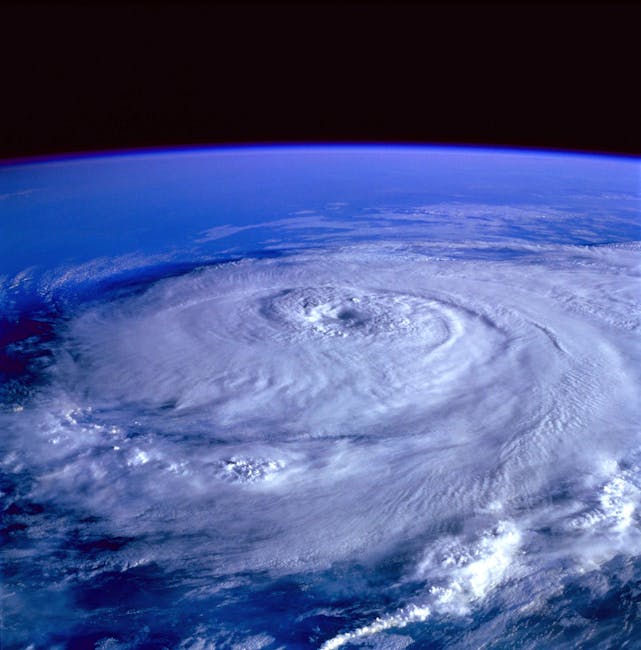
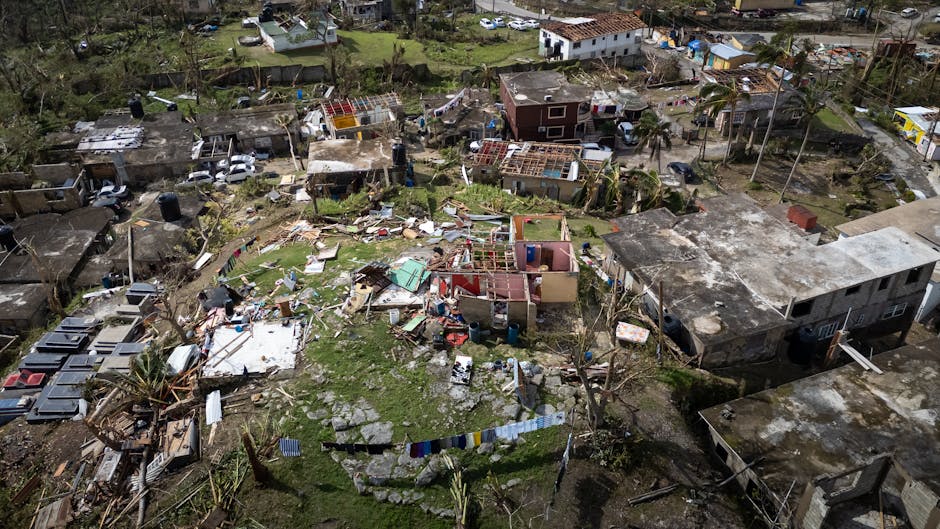
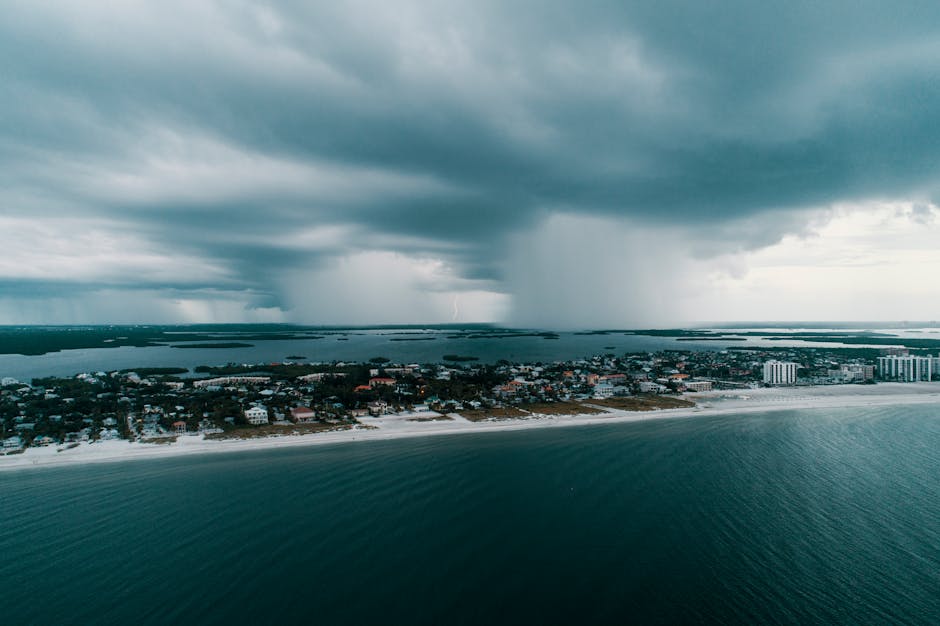
Tropical Storm Lala is prompting Young Brothers to update port operations, directly impacting inter-island shipping schedules and business logistics across Hawaii. Immediate contingency planning is crucial to mitigate supply chain disruptions. - Small Business Operators: Expect delivery delays for inventory and supplies, potentially increasing costs. - Tourism Operators: Monitor incoming supplies for hotels and tour operations; consider alternative logistics for critical items. - Agriculture & Food Producers: Plan for potential delays in transporting goods to market and receiving necessary inputs. - Healthcare Providers: Assess critical medical supply inventory and delivery schedules for potential disruptions.