


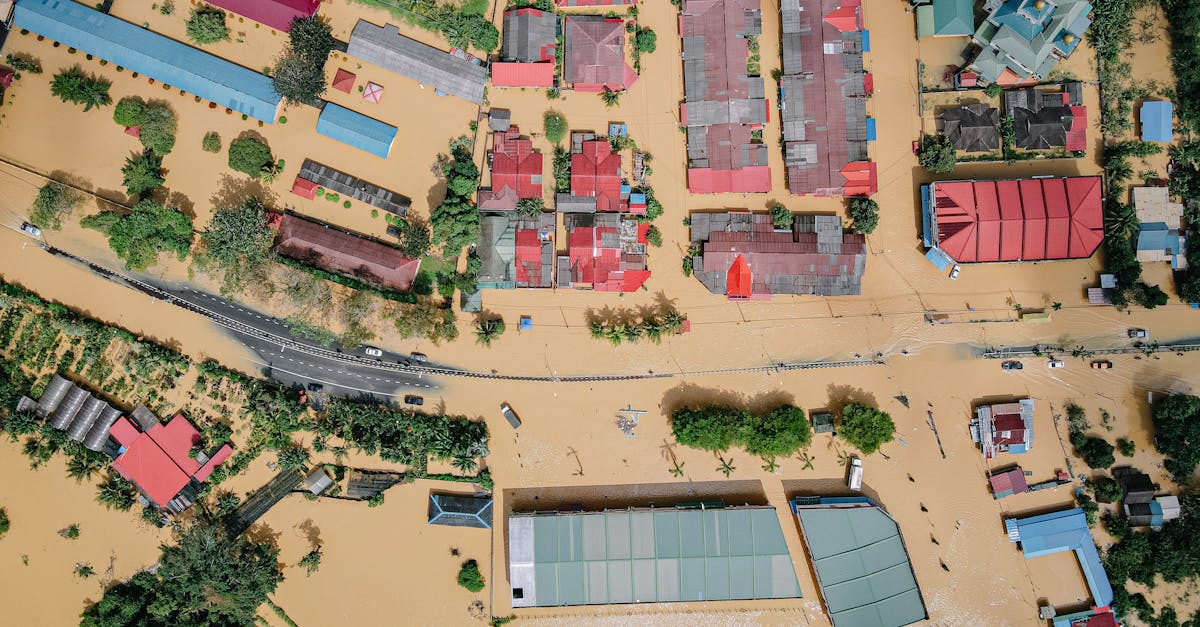
Flash Flood Watch Poses Immediate Operational Risks for Businesses Island-Wide
Consequence: Businesses across Oahu, Maui, Molokai, and the Island of Hawaii face imminent threats of property damage, supply chain interruption, and operational halts due to widespread heavy rainfall and potential flash flooding from Friday evening, March 21, through Sunday evening, March 23.
The Change
The National Weather Service (NWS) has issued a Flood Watch for all major Hawaiian Islands, effective from 6:00 PM HST on Friday, March 21, 2025, to 6:00 PM HST on Sunday, March 23, 2025. This watch signifies the potential for significant rainfall amounts that could lead to flash flooding, dangerous and life-threatening conditions, and considerable disruption. Residents and businesses are advised to prepare for hazardous weather conditions that could impact daily operations and infrastructure if not adequately addressed.
Who's Affected
Small Business Operators (small-operator)
Businesses, particularly those in low-lying areas or with ground-level inventory, face significant risks. Potential impacts include:
- Property Damage: Flooding can damage buildings, equipment, and sensitive electronics. Costs for repairs could run into thousands of dollars for even moderate flooding.
- Inventory Loss: Stock, especially perishable goods or easily damaged items, may be ruined, leading to direct financial losses.
- Operational Downtime: Flooding can render premises inaccessible or unsafe, forcing closures that result in lost revenue. Estimates suggest a single day of closure can cost small businesses hundreds to thousands of dollars in lost sales.
- Staffing Challenges: Employees may be unable to travel to work safely, leading to staffing shortages during a critical period.
Real Estate Owners (real-estate)
Property owners, landlords, and property managers must assess their vulnerability to flash flooding.
- Structural Damage: Basements, lower floors, and critical infrastructure (electrical, plumbing) are at risk of water damage, potentially requiring extensive and costly repairs.
- Increased Insurance Claims: While insurance may cover some damages, frequent claims can lead to increased premiums or difficulty securing coverage in the future.
- Tenant Displacement: Significant flooding may render rental units uninhabitable, leading to lost rental income and potential tenant disputes.
Tourism Operators (tourism-operator)
The hospitality sector is highly susceptible to weather-related disruptions.
- Tour Cancellations: Outdoor tours, boat excursions, and other weather-dependent activities will likely be canceled, resulting in lost revenue and customer dissatisfaction. A typical full-day tour can generate $800-$2,000 per group.
- Guest Safety: Ensuring the safety of tourists during heavy rain and potential flash flooding is paramount, potentially leading to adjusted itineraries or advisories.
- Airline & Ferry Disruptions: While not the primary focus of the flood watch, severe weather can impact airport operations and ferry services, affecting arrivals and departures, and potentially stranding guests.
Agriculture & Food Producers (agriculture)
Farms, ranches, and aquaculture operations are directly exposed to heavy rainfall.
- Crop Damage: Standing water and flash floods can drown crops, erode topsoil, and spread plant diseases, leading to total crop loss. The value of a single harvest can range from thousands to tens of thousands of dollars per acre.
- Livestock Endangerment: Animals may be at risk from rising waters, requiring immediate relocation and potentially leading to loss of life.
- Transportation Delays: Roads may become impassable, impeding the transport of harvested goods to markets or processing facilities, impacting freshness and marketability.
Second-Order Effects
This flood watch presents a heightened risk of localized transportation disruptions, particularly on roads with poor drainage. If flash flooding becomes widespread, these disruptions can cascade. Impassable roads will directly impact the ability of goods and services to move, leading to temporary shortages of essential supplies in affected areas and potential price hikes on available goods. For businesses reliant on timely deliveries, this could mean significant increases in operating costs or a complete halt to operations. Furthermore, extended power outages, a common consequence of severe weather, could cripple businesses that depend on electricity for point-of-sale systems, refrigeration, or operational machinery, forcing reliance on costly generators or leading to spoilage. The immediate aftermath could also see a surge in demand for repair services and supplies, potentially leading to inflated costs for these resources.
What to Do
The hard deadline for preparation is Sunday, March 23, at 6:00 PM HST. Action taken before this time is critical to mitigate risks and ensure business continuity.
Small Business Operators
- Secure Inventory: Move stock to higher ground if possible. Secure any outdoor equipment or furniture.
- Review Staffing: Communicate with employees regarding safety protocols, potential closures, and reporting procedures. Have a plan for skeleton crews if necessary and feasible.
- Protect Equipment: Ensure critical electronic equipment is raised or protected from potential water intrusion. Consider surge protectors and backup power solutions if feasible.
- Review Insurance: Understand your business interruption and flood insurance coverage. Note flood damage often requires a separate flood insurance policy.
- Action: Secure inventory and equipment, communicate with staff regarding emergency protocols, and confirm essential services are protected by Sunday evening.
Real Estate Owners
- Inspect Drainage Systems: Ensure storm drains and gutters on your properties are clear of debris to facilitate water runoff.
- Notify Tenants: Advise tenants of potential flooding risks and provide them with guidance on securing their belongings and reporting issues.
- Prepare for Water Intrusion: Have sandbags, pumps, and essential repair materials on hand if your property is in a known flood-prone area.
- Action: Clear drainage systems and communicate hazard awareness and preparedness measures to all tenants by Sunday evening.
Tourism Operators
- Review and Adjust Itineraries: Identify tours or activities that will be directly impacted and proactively reschedule or cancel them. Communicate changes to clients immediately.
- Prioritize Guest Safety: Brief staff on safety protocols and emergency procedures. Ensure guests are informed of potential advisories or changes to services.
- Monitor Weather and Transportation: Stay updated on the latest NWS advisories and monitor local transportation alerts (road closures, airport status).
- Action: Proactively reschedule or cancel affected tours, brief staff on safety protocols, and communicate any service adjustments to guests before Sunday evening.
Agriculture & Food Producers
- Move Livestock: Relocate livestock from low-lying pastures or areas prone to flash flooding to higher ground.
- Protect Crops: Implement measures to protect sensitive crops from excessive water, if feasible (e.g., temporary barriers for high-value crops).
- Secure Facilities: Ensure any farm buildings or food processing facilities are secured against wind and water damage.
- Action: Relocate livestock to safe areas and secure farm facilities and ready-to-harvest crops by Sunday evening.


