


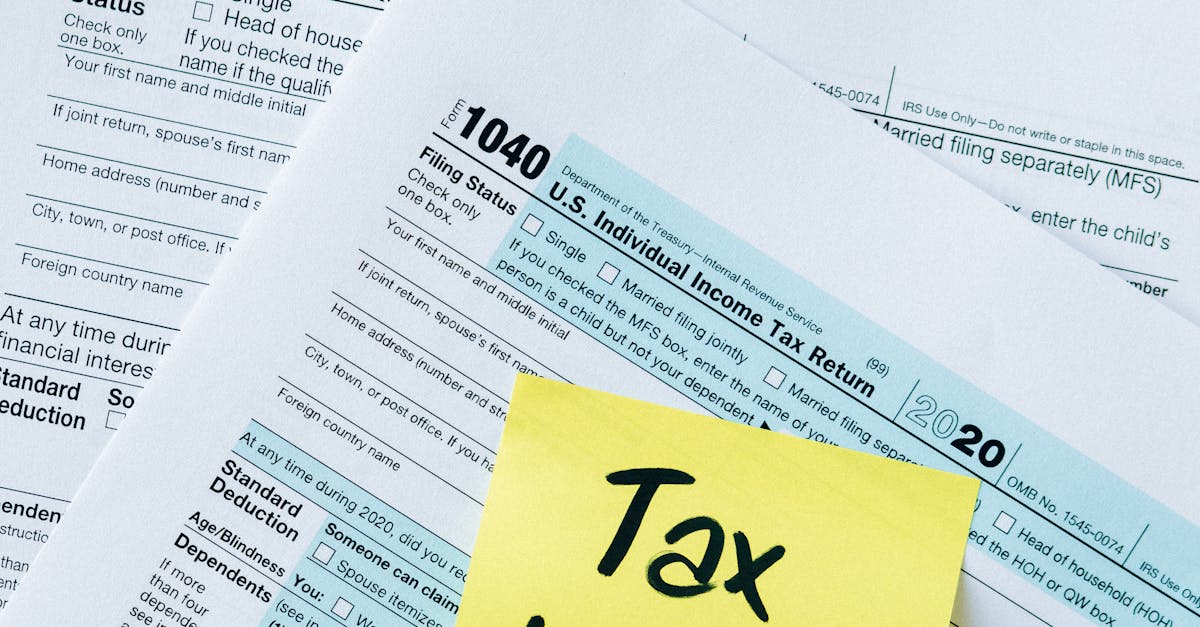
Hawaii Taxpayers Facing April 15 Deadline: Payment Plan Options Mitigate Immediate Penalties
Executive Brief:
With the April 15 federal tax deadline looming, individuals and businesses in Hawaii who cannot meet their full tax liability have several IRS-provided options for delayed payment and installment agreements. Acting on these options before the deadline is critical to avoid substantial penalties and interest. Affected roles should review their immediate cash flow situations and proactively engage with the IRS or explore state-specific resources to manage their tax obligations and maintain financial stability.
- Small Business Operators & Entrepreneurs: Access short-term IRS relief but must plan for phased repayment to avoid impacting critical operational cash flow.
- Real Estate Owners & Agriculture Producers: While property tax relief programs may exist separately, federal income tax payment plans are crucial for maintaining liquidity.
- Remote Workers & Healthcare Providers: Personal income tax payment options are available, providing a buffer against immediate financial strain, but inaction can lead to severe penalties.
- Action: If you cannot pay your full federal tax liability by April 15, contact the IRS immediately to set up an installment agreement or explore an offer in compromise.
The Change
The approaching April 15 tax deadline presents a critical juncture for many taxpayers. For those who find themselves unable to pay their full federal tax liability upon filing, the Internal Revenue Service (IRS) offers several pathways to avoid immediate, severe financial penalties. These options include short-term payment extensions, installment agreements, and in some cases, an offer in compromise. Understanding and utilizing these mechanisms before the April 15 deadline is paramount for individuals and businesses alike to manage their tax obligations and preserve financial health.
The core options available from the IRS are:
- Short-Term Payment Extension: This provides up to 180 additional days to pay the full balance due, without accruing penalties, though interest will still apply. It's a temporary reprieve for those anticipating immediate liquidity.
- Installment Agreement: For those who cannot pay in full even with an extension, this allows taxpayers to make monthly payments for up to 72 months. Penalty rates are reduced, and interest still applies.
- Offer in Compromise (OIC): This allows certain taxpayers to resolve their tax liability for a lower amount than what they owe. It's typically for individuals or businesses experiencing significant financial hardship where paying the full amount would cause economic distress. Eligibility is stringent, and the process can be lengthy.
- Penalty Abatement: In certain circumstances (e.g., reasonable cause, statutory right, error), the IRS may abate penalties, though interest typically remains due. This is usually applied after a payment arrangement is in place.
These options are not new in concept but become critically relevant as the April 15 deadline for federal income tax payments arrives. The IRS emphasizes proactively communicating with them when an inability to pay exists.
Who's Affected
Small Business Operators (Small-Operator)
For small business owners in Hawaii, the inability to pay their full tax bill can significantly strain operational cash flow. Delaying payment without an IRS plan can lead to accumulating penalties and interest that compound over time. An installment agreement allows businesses to spread payments over several years, freeing up immediate capital for payroll, inventory, and essential operating expenses. However, these agreements require diligent monthly payments, and failure to adhere can void the agreement and reinstate full penalties. A short-term extension might be suitable if a significant business receipt is expected within the next 180 days.
Real Estate Owners (Real-Estate)
Property owners and developers in Hawaii may face tax liabilities on income generated from real estate. If unable to pay their federal income tax, they can utilize IRS payment plans. This is crucial to avoid actions like tax liens or levies that could jeopardize property assets. While separate property tax deadlines and relief mechanisms may exist at the county level, this advice pertains specifically to federal income tax obligations. Failing to manage federal income tax obligations could indirectly impact an owner's ability to secure new financing or refinance existing properties, as tax compliance is a key factor for lenders.
Remote Workers (Remote-Worker)
For individuals working remotely in Hawaii or those with Hawaii-based clients taxed by the IRS, personal income tax liabilities are a concern. If the cash isn't available by April 15, a short-term payment extension or an installment agreement can prevent penalties that could exacerbate the high cost of living in Hawaii. For instance, compounding penalties can quickly diminish savings or emergency funds. Understanding these options is vital for maintaining financial stability, especially for those whose income may be variable.
Entrepreneurs & Startups (Entrepreneur)
Startups and growing businesses are often in tight cash-flow situations. If founders or the business entity itself owes significant federal taxes and lacks immediate funds, utilizing IRS payment options is critical. An offer in compromise might be considered if the startup is genuinely insolvent, though this is a rigorous process. More commonly, an installment agreement can normalize tax payments over time, allowing founders to focus on scaling and seeking investment without the looming threat of IRS enforcement actions like liens or levies, which could severely damage the company's credit and future funding prospects.
Agriculture & Food Producers (Agriculture)
Farmers and food producers in Hawaii, especially those facing unpredictable harvest yields or export market fluctuations, might find themselves short on cash for tax payments. An installment agreement can provide the necessary breathing room to manage seasonal income cycles and avoid penalties that could impact profitability. This allows producers to allocate limited funds towards crucial operational needs like water, fertilizer, or equipment maintenance, ensuring the continuity of their agricultural operations.
Healthcare Providers (Healthcare)
Private practice physicians, clinics, and other healthcare entities in Hawaii may owe significant federal taxes on their earnings. If immediate payment isn't possible, arranging an installment agreement with the IRS is a practical step. This prevents penalties and interest from accumulating, which could otherwise strain practice finances and impact investments in new medical technology or staffing. For sole practitioners or small clinics, a tax lien could also affect their ability to secure malpractice insurance or business loans.
Second-Order Effects
If Hawaii's taxpayers fail to address their tax obligations proactively, especially through available payment plans, the consequences ripple through the island's economy. Unpaid taxes can lead to IRS liens and levies, which can seize assets, including bank accounts and wages. For small businesses, this could mean halting operations, leading to job losses and reduced local spending. The inability to pay taxes can also damage credit scores, making it harder for businesses and individuals to access loans for expansion, equipment, or even personal housing. This overall constriction of financial capacity can dampen consumer spending and reduce investment in new ventures, slowing economic growth across the state. Furthermore, it can strain public services as fewer businesses contribute their share of tax revenue, potentially leading to increased taxes or reduced service quality for all residents.
What to Do
For All Affected Roles:
If you anticipate being unable to pay your full federal tax liability by the April 15 deadline, act immediately. Ignoring the problem will lead to penalties and interest, which can significantly increase the amount owed over time. The IRS encourages proactive communication and offers several solutions.
- Assess Your Financial Situation: Determine the exact amount of tax owed and how much you can realistically pay by April 15. Identify your cash flow for the next 6-12 months to gauge your ability to make monthly payments.
- Contact the IRS: The IRS website (IRS.gov) is the primary resource for setting up payment plans. You can often apply for an installment agreement or short-term extension online. For more complex situations, like an Offer in Compromise, or if you require assistance understanding the options, consider contacting a trusted tax professional.
- Understand the Terms: Be clear on the interest rates and penalty reductions associated with each payment option. An installment agreement, for example, offers reduced penalties but still accrues interest.
- Prioritize Payments: If you can only pay a portion by April 15, pay as much as possible to minimize penalties on that amount. Then, immediately seek to establish a formal payment plan for the remainder.
Specific Guidance:
-
Small Business Operators & Entrepreneurs: If you opt for an installment agreement, ensure the monthly payment is sustainable and does not imperil your essential operating expenses or payroll. Review your budget with this new fixed expense in mind. If using a short-term extension, line up expected receivables to ensure payment is made before the extension expires.
-
Real Estate Owners & Agriculture Producers: Factor the IRS installment payments into your property's operating budget or your farm's annual financial plan. If county property taxes are also a concern, investigate any available county-level hardship programs or deferral options separately.
-
Remote Workers & Healthcare Providers: If you are using an installment agreement for personal income tax, ensure the monthly payments are automated if possible to avoid missing due dates. If your income is highly variable, consider slightly overpaying your monthly amount if circumstances allow to create a buffer.
Do Not Delay: The window to proactively address this situation and potentially incur lower penalties and interest is before or immediately after the April 15 deadline. Waiting until the IRS initiates collection actions will result in a more difficult and costly resolution.


