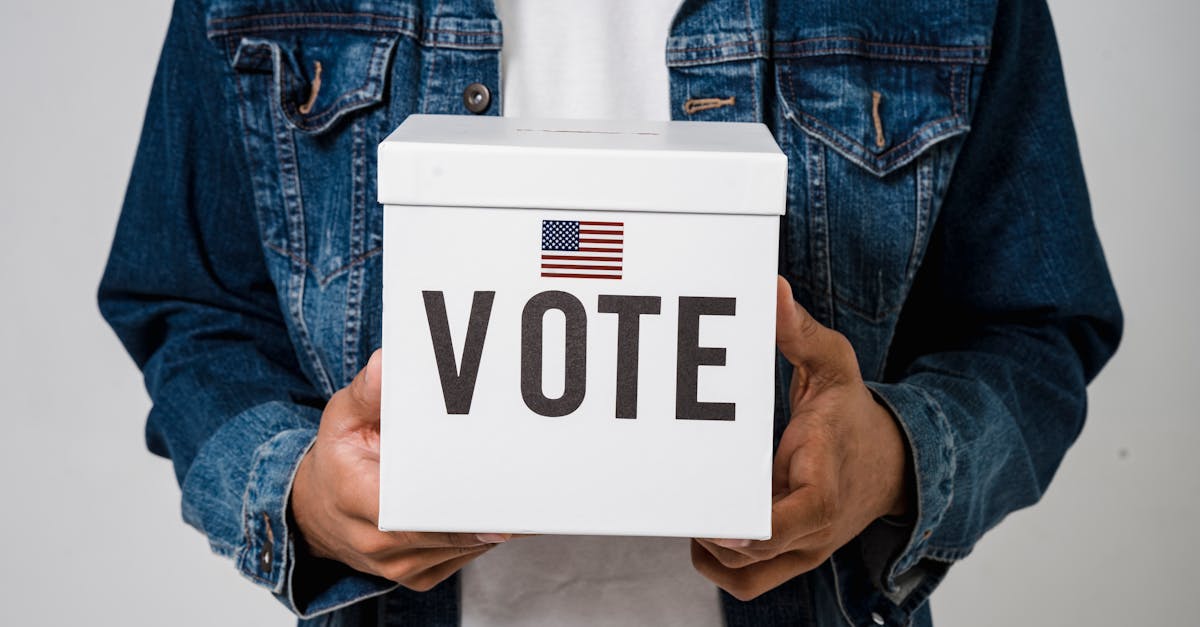
2026 Hawaii Election Candidacy Window Opens: Potential Candidates Face Imminent Filing Deadlines
The official filing period for the 2026 Hawaii elections has commenced, signaling the critical start for individuals aspiring to hold public office. The Office of Elections advises that potential candidates submit their filing paperwork as soon as possible. This early action is crucial, as missed deadlines will prevent individuals from appearing on the ballot, regardless of their campaign preparedness or public support.
The Change
As of January 27, 2026, Hawaii's Office of Elections has formally opened the doors for candidates to file their intent to run in the upcoming 2026 election cycle. This period is not indefinite; it is governed by strict deadlines that will be established closer to the election date but are typically several months before the primary elections. The Office of Elections explicitly urges prospective candidates to file their paperwork at their earliest convenience. This directive serves as a formal notification that the window for candidacy has opened and will eventually close, with definitive consequences for those who do not act within the specified timeframe.
Who's Affected
- Entrepreneurs & Startups: Founders and leaders considering public service must navigate the demanding process of running for office concurrently with managing their businesses. Early candidate filing signifies that campaign-related activities, including fundraising and strategic planning, will commence soon, potentially diverting attention and resources from core business operations.
- Small Business Operators: Business owners who are also considering running for office need to act swiftly to meet filing requirements. The impending election cycle means that potential candidates will soon be engaged in campaign activities, which can affect their availability for business oversight and potentially impact their local community engagement or supplier relationships if they become involved in political campaigns.
- Real Estate Owners: Property owners and developers who may have political ambitions should be aware that the election cycle will soon intensify. Policies concerning zoning, development permits, and property taxes are often central to local election platforms. Early filing by candidates means these issues will gain prominence, potentially leading to changes in regulatory environments that impact real estate investment and development decisions.
- Investors: Investors looking at the Hawaii market should monitor the emerging slate of candidates. The election outcomes will directly influence future economic policies, regulatory landscapes, and development priorities. Understanding who is entering the race, and by when they need to file, provides an early indicator of potential shifts in the business and political climate.
- Tourism Operators: Leaders within the tourism sector who are considering elected office need to adhere to filing timelines. Furthermore, the policies and priorities of elected officials significantly influence tourism regulations, infrastructure development, and marketing efforts. An active election cycle means these discussions will become more public and influential.
- Agriculture & Food Producers: Farmers and producers who are contemplating a move into politics must file their candidacy promptly. Discussions around land use, water rights, and agricultural policy are often influenced by elected officials. The early start to the election cycle means that these critical policy areas will likely become focal points for candidate platforms.
- Healthcare Providers: Healthcare professionals considering public office, particularly in roles that influence health policy, must meet the filing deadlines. The election cycle will bring health-related issues to the forefront, potentially impacting licensing requirements, insurance regulations, and telehealth policies.
Second-Order Effects
- Candidate Filing → Campaign Resource Allocation → Local Business Engagement: As potential candidates file, they will begin intensive fundraising and campaign activities. This often leads to increased solicitations and volunteer recruitment efforts directed at the local business community, potentially diverting time, financial resources, and employee attention away from day-to-day operations for small business operators and entrepreneurs.
- Increased Political Activity → Public Discourse on Policy → Regulatory Uncertainty: The formal opening of the election cycle means that policy debates, particularly those affecting business operations like zoning, labor, and taxation, will intensify. This heightened public discourse can lead to a period of regulatory uncertainty, making it difficult for businesses and investors to make long-term strategic decisions until election outcomes solidify.
- Early Candidate Entry → Policy Platform Development → Sector-Specific Investment Shifts: Candidates entering the race early will begin shaping their policy platforms. This can signal future shifts in government support, incentives, or regulations for specific industries (e.g., tech, tourism, green energy), influencing where investors may choose to allocate capital.
What to Do
For Potential Candidates
- Act Now: If you intend to run for office in the 2026 Hawaii elections, begin the candidate filing process immediately. Consult the Hawaii Office of Elections website for specific forms, requirements, and the confirmed filing deadline. Failing to file within the designated period will result in disqualification.
For Investors
- Watch: Monitor candidate filings and campaign platforms closely. Pay attention to individuals entering races for positions that oversee economic development, regulatory bodies, and key industry sectors. Understanding potential future leadership can inform investment strategies. The early stage of candidate entry offers a unique window to influence or anticipate policy directions.
For Small Business Operators & Entrepreneurs
- Watch: Be aware that campaign solicitations and engagement requests will increase. Plan your business's capacity to respond to these requests, whether through financial support, time, or volunteer efforts. Consider how potential elected officials' platforms might affect your industry and prepare a response strategy.
For Real Estate Owners & Developers
- Watch: Track candidates focusing on land use, zoning, and development permits. Early campaign discussions can indicate future policy shifts. If you have development plans, consider how potential changes championed by early-filing candidates might impact project feasibility or timelines. Engaging with candidates early in their process can be more impactful than later in the campaign.
For Tourism Operators
- Watch: Note candidates whose platforms address tourism infrastructure, marketing, or regulations. Early candidate statements can foreshadow future industry policy. Consider how these potential policy shifts might affect your operational costs, visitor experience, or long-term investment plans.
For Agriculture & Food Producers
- Watch: Monitor candidates addressing agricultural land use, water resources, and export policies. Early platform development can signal future regulatory environments. Prepare to engage with candidates on issues critical to your sector's viability and growth.
For Healthcare Providers
- Watch: Observe candidates who campaign on healthcare access, insurance, or medical policy. Early policy proposals can indicate future regulatory changes affecting your practice or business. Consider how these potential changes might impact operations, patient care, or industry-specific technology adoption such as telehealth.


