


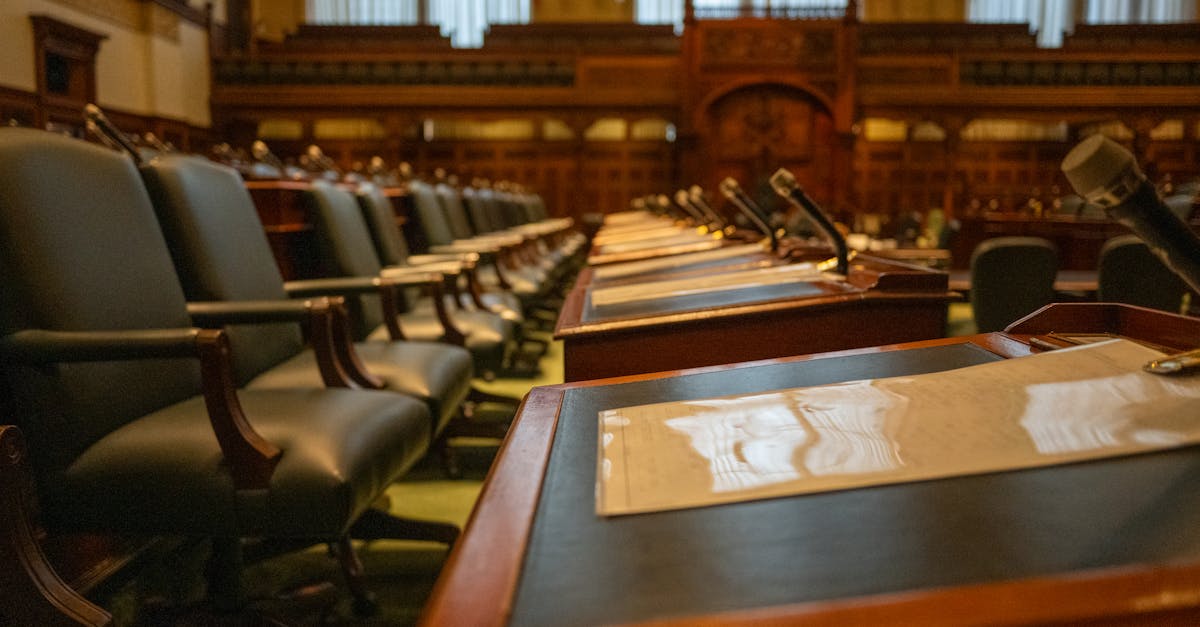
Legislation Monitoring by Chamber of Commerce Hawaii Prompts Proactive Business Engagement
For Hawaii's businesses, the legislative session represents a critical period where the landscape of operating conditions, regulatory burdens, and economic opportunities can shift dramatically. The Chamber of Commerce Hawaii (COCH) actively monitors over 2,500 bills annually, serving as a vital conduit for businesses to understand and influence these potential changes. This sustained engagement ensures that the collective voice of the business community is heard at the State Capitol, directly impacting the bottom line and operational viability of enterprises across the islands. Given the time-sensitive nature of legislative processes, proactive participation is essential to shape outcomes rather than react to them.
Who's Affected
Small Business Operators
Small business owners are directly exposed to legislative changes impacting permits, labor laws, and operational costs. Bills can introduce new compliance requirements, modify minimum wage laws, or affect access to capital. For instance, changes in permitting processes for expansions or renovations could lead to significant delays and increased capital expenditure. Understanding the Chamber's advocacy efforts allows these businesses to anticipate and mitigate potential cost increases or operational disruptions, ensuring their financial stability.
Real Estate Owners
Property owners, developers, and landlords must monitor legislative proposals that could alter zoning regulations, property tax assessments, or development incentives. New environmental regulations, for example, could increase construction costs or limit development potential in certain areas. The Chamber's advocacy can influence these decisions, potentially protecting property values and ensuring a more predictable development environment.
Investors
Investors, including venture capitalists and real estate investors, benefit from staying informed about regulatory shifts that could impact market attractiveness or the profitability of their portfolios. Changes in tax policy, incentives for specific industries, or new regulations affecting sectors like tourism or technology can create or diminish investment opportunities. The Chamber's work provides a lens into a potentially shifting regulatory landscape.
Tourism Operators
Hotels, tour companies, and vacation rental businesses are particularly sensitive to legislation affecting visitor numbers, service standards, fees, and operational flexibility. Bills related to short-term rentals, tourism promotion, or environmental impact assessments can directly influence revenue streams and operating costs. The Chamber's advocacy ensures their concerns are communicated to policymakers.
Entrepreneurs & Startups
For entrepreneurs and startups, new laws can affect access to funding, talent acquisition, market entry barriers, and business scalability. For example, legislation impacting the gig economy or introducing new licensing requirements could pose challenges. Understanding the legislative environment through the Chamber's efforts can help startups navigate these complexities and position themselves for growth.
Agriculture & Food Producers
Farmers, ranchers, and food producers are impacted by legislation concerning land use, water rights, environmental standards, and export logistics. Changes in agricultural policy or regulations from agencies like the Department of Agriculture can influence production costs, market access, and overall sustainability.
Healthcare Providers
Healthcare providers, including private practices and telehealth services, must remain aware of changes in licensing requirements, insurance regulations, and telehealth policies. New mandates or changes in reimbursement rates can significantly affect their ability to provide services and maintain financial viability.
Second-Order Effects
Hawaii's unique, isolated island economy amplifies the ripple effects of legislative changes. For instance, proposed increases in tourism-related fees or stricter environmental regulations for hotels could initially impact tourism operators' profit margins. However, this could secondarily lead to reduced demand for local services and goods, potentially affecting small business operators and suppliers. Furthermore, if new regulations increase the cost of developing commercial or residential real estate, it could exacerbate existing housing shortages, leading to increased labor costs as workers require higher wages to afford living in Hawaii. This, in turn, could further pressure small business operators' margins and influence the overall cost of living, impacting remote workers.
What to Do
Small Business Operators
Act Now: Proactively engage with the Chamber of Commerce Hawaii's advocacy initiatives. Review the list of active bills tracked by the Chamber (available on their website or through direct communication) and identify those most relevant to your business's operational costs, permits, and labor needs. Submit your feedback or concerns to the Chamber by the end of the current legislative session to ensure your voice is part of their lobbying efforts. Consider joining specific committees or attending Chamber-led advocacy events to enhance your influence.
Real Estate Owners
Act Now: Stay informed by consulting the Chamber of Commerce Hawaii's legislative updates. Identify any bills related to zoning, land use, or property development that could impact your current or future projects. If specific legislation poses a significant risk or opportunity, communicate your position and potential impacts to the Chamber for inclusion in their advocacy strategy before the legislative session concludes. This proactive approach can help prevent costly regulatory hurdles or leverage new development incentives.
Investors
Watch: Monitor legislative outcomes tracked by the Chamber of Commerce Hawaii, particularly those affecting key sectors like tourism, technology, and real estate. While direct intervention may not be necessary for all investors, understanding how the regulatory environment is evolving can inform future investment decisions. Focus on policy changes that could impact market entry, operational costs, or long-term growth potential in Hawaii. Significant shifts reported by the Chamber warrant a deeper dive into portfolio risk assessment.
Tourism Operators
Act Now: Review the Chamber of Commerce Hawaii's legislative agenda for bills impacting the tourism sector, such as those concerning visitor regulations, environmental impact, or licensing. Provide timely feedback to the Chamber on how proposed legislation could affect your operations, revenue, or guest experience. Engaging before legislative deadlines can help shape policies that support a sustainable and profitable tourism industry.
Entrepreneurs & Startups
Act Now: Align with the Chamber of Commerce Hawaii's legislative priorities. Identify bills that could influence your startup's ability to scale, access funding, or attract talent. Communicate specific concerns and potential impacts to the Chamber. Actively participating in their advocacy efforts, especially regarding regulatory hurdles or support programs, can create a more favorable environment for innovation and growth in Hawaii.
Agriculture & Food Producers
Act Now: Consult the Chamber of Commerce Hawaii's legislative tracking for bills related to land use, water rights, environmental standards, and agricultural trade. Provide your specific operational insights and concerns to the Chamber to ensure agricultural interests are represented in policy discussions before the legislative session ends. This can help safeguard access to resources and market opportunities.
Healthcare Providers
Act Now: Stay abreast of legislative developments monitored by the Chamber of Commerce Hawaii concerning healthcare regulations, licensing, and telehealth policies. If proposed changes present significant challenges or opportunities for your practice or business, communicate these details to the Chamber. Prompt engagement can help influence regulatory frameworks to better support healthcare access and delivery in the state.


