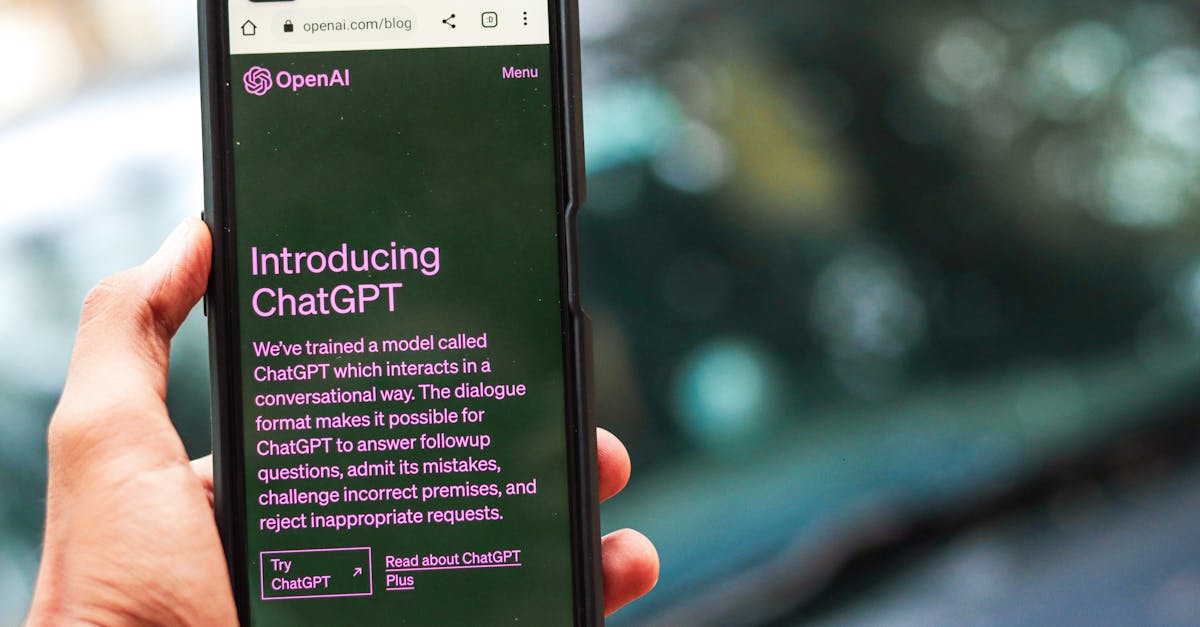
AI Customer Support Platforms Poised to Reshape Hawaii's Service Industry: Cost Savings vs. Competitive Pressure
The artificial intelligence (AI) landscape for customer support is rapidly advancing, with companies like Omilia securing substantial funding to scale their platforms. Omilia’s recent $67 million Series B funding round, following a remarkable 10x increase in Annual Recurring Revenue (ARR) to $60 million since 2020, signals a significant maturation and scaling of AI-powered customer service solutions. This trend presents both a critical opportunity and a looming challenge for Hawaii's diverse business ecosystem, from large tourism operators to individual small business owners.
The Change
The core change is the accelerated development and market penetration of sophisticated AI platforms designed to handle complex customer interactions, automate support processes, and provide data-driven insights. These platforms are moving beyond basic chatbots to offer more nuanced, personalized, and efficient customer service experiences. Omilia's success indicates that businesses are willing to invest heavily in these AI solutions, driving innovation and increasing the competitive pressure for other businesses to adopt similar technologies. The implications are immediate: businesses that fail to explore these AI-driven efficiencies risk higher operating costs and a decline in customer satisfaction compared to competitors who leverage AI.
Effective Immediately: The market is demonstrating a clear trajectory toward AI-enhanced customer support. While specific platform adoption timelines vary, the underlying technology and its capabilities are available now, and competitors are actively integrating them. The urgency is driven by the speed at which these solutions are scaling and the associated cost and efficiency benefits they offer.
Who's Affected
Tourism Operators
Hawaii's robust tourism industry, encompassing hotels, airlines, tour operators, and vacation rental agencies, relies heavily on seamless customer interaction. AI-powered platforms can automate booking inquiries, manage cancellations, provide instant responses to common guest questions, and personalize pre-arrival and post-stay communications. For operators, this means potential for significant cost savings in staffing customer service departments, 24/7 availability to international visitors, and improved guest satisfaction through faster, more consistent service. The risk is falling behind competitors who offer more responsive and efficient digital customer service, potentially impacting booking rates and loyalty.
Small Business Operators
For restaurants, retail shops, service providers, and local franchises across the islands, AI customer support offers a pathway to manage limited resources more effectively. These platforms can handle appointment scheduling, answer frequently asked questions about hours, services, or products, and manage online inquiries. This frees up valuable staff time, reduces the need for dedicated customer service personnel, and ensures a consistent brand voice. The challenge lies in the cost of implementation and the technical expertise required, but the potential to reduce operating expenses and enhance customer experience is substantial, especially in a competitive local market.
Entrepreneurs & Startups
For Hawaii's burgeoning startup scene, the rise of advanced AI customer support platforms represents both a potential tool for scaling and a competitive hurdle. Startups can leverage these platforms to provide enterprise-level customer service without the traditional overhead, aiding in early-stage growth and investor pitches. However, they also face increased competition from established businesses that adopt these technologies, potentially requiring their own innovative solutions to differentiate. Furthermore, the talent pool for AI expertise becomes more competitive as demand increases, impacting hiring for tech-focused startups.
Second-Order Effects
- Increased demand for AI integration specialists: As more businesses adopt AI customer support, there will be a greater need for local IT professionals and consultants skilled in implementing, managing, and optimizing these platforms. This could lead to higher salaries for specialized tech talent, potentially drawing skilled workers to the islands but also increasing labor costs for businesses requiring these skills.
- Shifts in labor market dynamics: Automation of customer service roles may lead to a reduction in entry-level positions in sectors like hospitality and retail. This could necessitate retraining programs for displaced workers, focusing on roles that require higher-level human interaction, problem-solving, or specialized technical skills. It may also increase pressure on wages for remaining non-automated service roles due to reduced overall labor supply in those specific areas.
- Data privacy and security concerns evolve: With AI platforms handling increased volumes of customer data, the importance of robust data privacy and security measures becomes paramount. Businesses must ensure compliance with evolving data protection regulations, which could involve investments in cybersecurity infrastructure and employee training, adding to operational costs.
- Potential for enhanced visitor experience driving tourism volume: If AI effectively streamlines the customer journey for tourists – from booking to on-island inquiries – it could enhance overall satisfaction. Improved visitor experiences can lead to repeat visits and positive word-of-mouth, potentially bolstering Hawaii's tourism numbers, especially if AI-driven personalized recommendations become a standard offering.
What to Do
Tourism Operators
Act Now: Evaluate AI-powered customer support platforms for their suitability in automating routine inquiries, managing bookings, and enhancing guest communication. Begin pilot programs within the next 3-6 months to assess cost savings and impact on guest satisfaction. Prioritize platforms offering multilingual support and deep integration with existing reservation systems.
Consider:
- Research Platforms: Investigate providers like Omilia, Genesys, and Zendesk for their AI capabilities in customer service.
- Cost-Benefit Analysis: Quantify potential savings in staffing, reduced error rates, and increased booking conversion versus platform subscription and implementation costs.
- Staff Training: Identify which customer service roles can be augmented by AI and which require human intervention for complex issues or relationship building. Train existing staff on how to work alongside AI tools.
Small Business Operators
Act Now: Explore AI-driven customer service tools that can automate appointment setting, answer frequently asked questions, and manage online inquiries. Implement a basic AI chatbot or automated response system within the next 3-6 months to handle common customer interactions, freeing up staff for more complex tasks or in-person service.
Consider:
- Entry-Level AI Tools: Look for user-friendly, cost-effective AI solutions designed for small businesses, such as those offered by HubSpot or integrated into existing website builders and social media platforms.
- Focus on High-Impact Areas: Prioritize AI implementation for the most frequent and time-consuming customer inquiries (e.g., hours of operation, service availability, menu information).
- Customer Experience Focus: Ensure AI implementation enhances, rather than detracts from, the personalized customer experience that is a hallmark of many small Hawaiian businesses. Maintain clear escalation paths to human interaction.
Entrepreneurs & Startups
Act Now: Assess how AI customer support platforms can be integrated into your business model to provide scalable, efficient customer service from the outset. Begin evaluating and potentially piloting AI solutions within the next 3-6 months to gain a competitive edge and demonstrate operational efficiency to potential investors.
Consider:
- Scalability: Choose platforms that can grow with your business, handling increasing customer volumes without a proportional increase in staffing costs.
- Differentiation: Explore how AI can enable unique customer experiences or personalized services that set your startup apart.
- Investor Perception: Highlight the strategic use of AI for customer service in your business plan to showcase efficiency and innovation to investors.
- Talent Acquisition: Develop a strategy for attracting and retaining talent, potentially focusing on roles that complement AI capabilities rather than being replaced by them.
Conclusion
The rapid scaling of AI customer support platforms like Omilia is not merely a technological advancement; it is a market signal that intelligent automation is becoming a standard for efficient and competitive business operations. For Hawaii's tourism operators, small businesses, and entrepreneurs, proactive exploration and adoption of these AI solutions within the next 3-6 months are crucial. The choice is between leveraging these tools to reduce costs and enhance service, or risking being outmaneuvered by competitors who embrace the future of customer engagement. The time to evaluate and act is now.