AI-Powered Telehealth Poised to Reshape Hawaii Healthcare Delivery and Patient Access
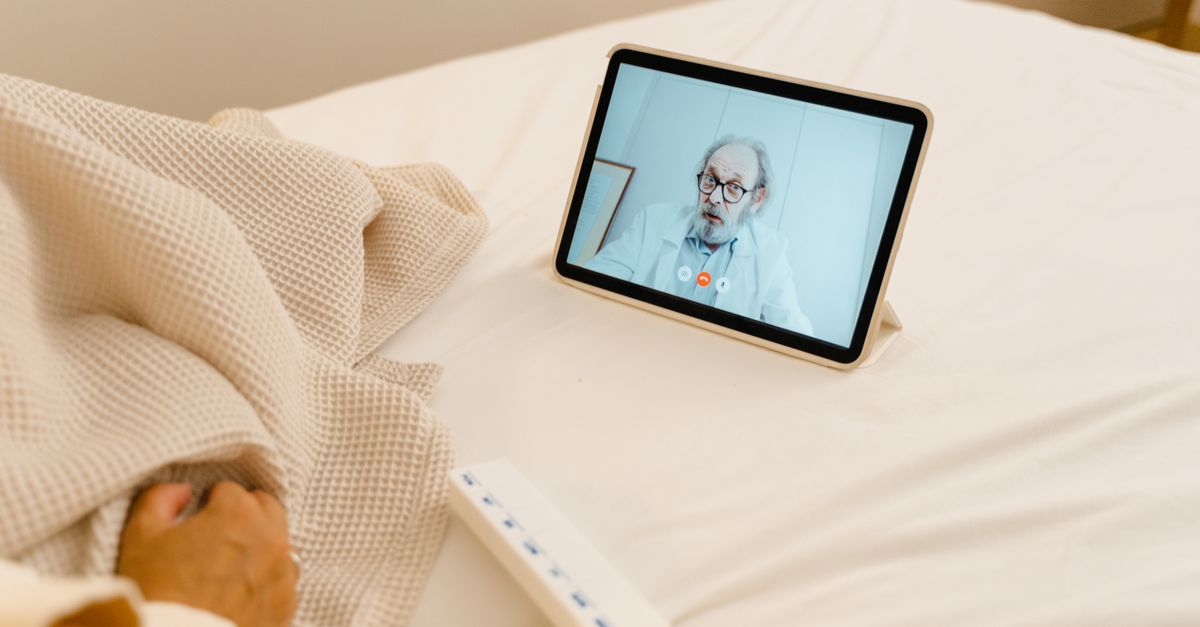
Google's recent demonstration of its AI system, AMIE, for real-time clinical video consultations marks a pivotal moment for the future of healthcare delivery. While still in simulated settings, this development signals that AI-driven telehealth is moving from concept to practical application, with significant implications for Hawaii's healthcare providers, entrepreneurs, and even remote workers.
The Change
Google's AMIE (Articulate, Medical, Interactive, Empathic) system has showcased the ability to conduct simulated medical consultations in real-time, interpreting patient symptoms and physician queries with remarkable accuracy. This technology aims to augment, not replace, healthcare professionals by providing support for tasks such as patient history taking, symptom assessment, and suggesting differential diagnoses. The implications for telehealth are profound: increased efficiency, potentially wider access to specialized care, and a more data-driven approach to patient management.
While AMIE is currently a research project, its capabilities suggest that similar AI-powered telehealth solutions will become increasingly sophisticated and accessible to healthcare systems globally. For Hawaii, a state with unique geographical challenges in delivering healthcare to remote islands and dispersed populations, this technology could be a game-changer in bridging access gaps and optimizing resource allocation. The timeline for widespread adoption is not immediate, but the foundational technology is now demonstrably viable, suggesting that healthcare organizations should begin strategic planning and evaluation within the next 6-12 months.
Who's Affected
-
Healthcare Providers: This includes private practices, clinics, hospitals, and existing telehealth providers. The advent of AI-assisted consultations could streamline workflows, improve diagnostic accuracy, and potentially reduce administrative burdens. However, it also raises questions about integration, data privacy, licensing, and ensuring the human element of care is preserved. Providers must assess how these tools can complement their existing services and patient care models.
-
Entrepreneurs & Startups: The healthcare technology sector is ripe for innovation. Startups focused on telehealth platforms, AI-driven diagnostics, and remote patient monitoring will find new opportunities to develop and deploy solutions leveraging advancements like AMIE. However, they will also face increased competition and the need to navigate complex healthcare regulations and secure funding in a rapidly evolving market.
-
Remote Workers & Digital Nomads: For individuals living or working remotely in Hawaii, enhanced telehealth capabilities could mean better access to medical consultations without needing to travel to a physical clinic. This is particularly beneficial for those in remote areas of the islands. It could also influence the attractiveness of Hawaii as a remote work destination if high-quality, accessible healthcare becomes a more readily available benefit.
Second-Order Effects
-
Increased Demand for High-Speed Internet in Rural Areas: The widespread adoption of advanced AI telehealth will necessitate robust, high-speed internet infrastructure across all Hawaiian islands. This could drive investment in broadband expansion, potentially benefiting remote communities but also exacerbating the digital divide if access remains unequal.
-
Shift in Healthcare Workforce Skills and Training: As AI takes on more analytical tasks, there may be a shift in demand for healthcare professionals towards roles requiring more complex interpersonal skills, critical thinking, and AI system oversight. This could lead to new training programs and a re-evaluation of medical education curricula.
-
Data Privacy and Security Investment: The use of AI in healthcare involves handling sensitive patient data. This will spur increased investment and innovation in cybersecurity solutions tailored for healthcare, as well as necessitate stricter data governance policies and compliance measures.
-
Potential for Reduced Healthcare Costs (with caveats): If AI-driven efficiencies lead to fewer in-person visits for routine issues and more accurate diagnostics, there is potential for reduced overall healthcare costs. However, initial investment in technology and training, as well as potential increases in regulatory compliance, could offset these savings in the short to medium term.
What to Do
For Healthcare Providers:
- Educate and Evaluate: Begin researching AI-driven telehealth platforms. Understand their capabilities, limitations, and integration requirements. Attend webinars, read industry reports, and consult with technology vendors.
- Pilot Programs: Consider small-scale pilot programs to test the efficacy and patient acceptance of AI-assisted telehealth tools in your practice. Focus on specific use cases, such as initial patient intake or post-operative follow-ups.
- Regulatory Review: Stay abreast of evolving state and federal regulations regarding telehealth, AI in healthcare, and data privacy (e.g., HIPAA compliance). Consult with legal counsel specializing in healthcare technology.
- Invest in Infrastructure: Ensure your practice's IT infrastructure, including internet connectivity and secure data storage, can support advanced telehealth applications.
- Staff Training: Develop a plan for training your clinical and administrative staff on new AI tools, focusing on how to use them effectively and ethically.
For Entrepreneurs & Startups:
- Identify Niche Opportunities: Look for specific pain points in Hawaii's healthcare system that AI telehealth can address, such as access to specialists for outer island residents or AI-powered tools for managing chronic diseases.
- Focus on Interoperability: Develop solutions that can seamlessly integrate with existing Electronic Health Record (EHR) systems used by Hawaii providers.
- Build Partnerships: Collaborate with local healthcare institutions, technology firms, and government agencies to pilot and scale your innovations.
- Secure Funding: Develop a clear business plan that highlights the ROI and societal benefits of your AI telehealth solution, targeting investors interested in health tech and social impact.
- Navigate Regulations: Proactively understand the regulatory landscape for medical devices and software as a medical device (SaMD) in Hawaii and nationally.
For Remote Workers:
- Research Provider Options: Familiarize yourself with telehealth services available in Hawaii and understand how AI integration might enhance their offerings. Check if your current insurance covers telehealth.
- Ensure Reliable Connectivity: If you work remotely, ensure your internet service provider offers stable, high-speed connections, especially if you anticipate utilizing advanced telehealth services.
- Advocate for Infrastructure: Support community initiatives that aim to improve broadband access in your area.
Sources
- Google Research Blog - Official announcement and technical overview of AMIE.
- Hawaii Department of Health - For information on state-specific healthcare regulations and initiatives.
- Hawaii State Legislature - To track potential legislative changes related to telehealth and AI in healthcare.
- American Medical Association (AMA) - For insights into physician perspectives and ethical considerations of AI in medicine.