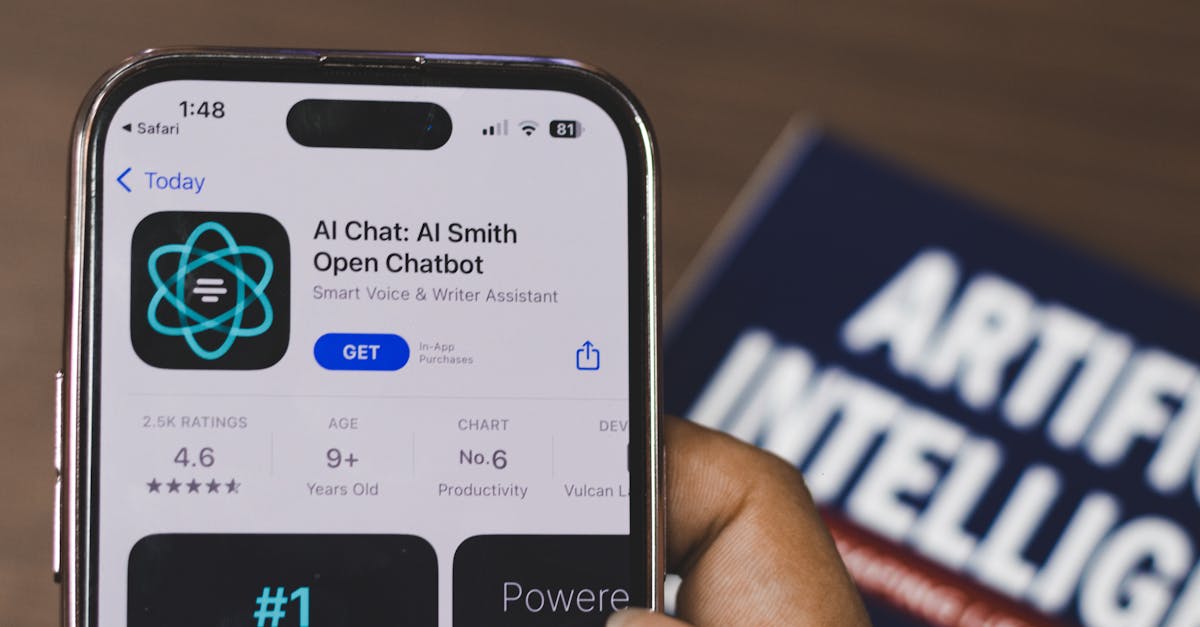
Real-time AI Voice Assistants: A New Frontier for Business Operations
Amazon's recent unveiling of Nova Sonic technology marks a significant step forward in conversational AI, promising more natural, real-time voice interactions. This development could lower operational costs and improve customer engagement for businesses, particularly in a service-centric economy like Hawaii's. While not requiring immediate action, businesses should understand the implications and monitor its adoption.
The Change
Amazon Nova Sonic enables bidirectional streaming for voice AI, allowing for more fluid and human-like conversations. Unlike previous cascaded architectures that often involve noticeable delays, Nova Sonic can process and respond to user input in near real-time. This capability has the potential to simplify the development of sophisticated voice AI agents and deliver more engaging conversational experiences.
The technology is available now for developers to integrate into their applications. The broader impact will depend on adoption rates and the development of specific use cases relevant to various industries.
Who's Affected
- Small Business Operators: Owners of restaurants, retail stores, and local service businesses can explore AI-powered customer service for inquiries, bookings, or order taking, potentially reducing staffing needs for basic support.
- Tourism Operators: Hotels, tour providers, and vacation rental managers can leverage these tools for real-time guest support, multilingual assistance, or automated concierge services, enhancing the visitor experience.
- Entrepreneurs & Startups: Founders can integrate advanced voice interfaces into their products or services, creating new market opportunities or gaining a competitive edge in customer interaction.
- Healthcare Providers: Clinics and telehealth services might use Nova Sonic for patient scheduling, initial symptom checking, or providing accessible health information, improving patient access and administrative efficiency.
- Investors: Venture capitalists and angel investors should assess how this technology could disrupt existing markets and create new investment opportunities in AI-driven customer service solutions.
Second-Order Effects in Hawaii
Advancements in real-time voice AI could lead to more efficient resource allocation across service industries. As customer interactions become smoother and faster, businesses might reallocate human staff to more complex tasks, potentially increasing demand for specialized skills. This could, in turn, put pressure on wages for those skilled roles while potentially reducing the need for entry-level customer support staff. For Hawaii, with its unique labor market and tourism dependency, this shift could impact employment composition and the competitiveness of service pricing on the islands.
What to Do
Given the "WATCH" action level, the focus is on monitoring developments and preparing for potential future adoption.
- Small Business Operators: Monitor customer service AI platforms that integrate real-time voice capabilities. Evaluate if these tools could automate repetitive inquiries or booking processes, freeing up staff for in-person service, especially during peak seasons.
- Tourism Operators: Track how competitors are using AI for guest interactions. Consider piloting real-time voice assistants for website chatbots or in-room service requests to enhance guest convenience and gather feedback on user adoption.
- Entrepreneurs & Startups: Investigate the integration of Nova Sonic into product roadmaps. Explore partnerships with AI developers or pilot programs to test innovative voice-enabled features for early market validation.
- Healthcare Providers: Keep an eye on emerging AI healthcare assistants being developed with this technology. Assess potential for patient engagement tools or administrative automation that comply with HIPAA and other regulations.
- Investors: Watch for startups building solutions on top of Amazon Nova Sonic or similar real-time voice AI platforms. Analyze market traction and the potential for these solutions to address unmet needs in customer service across various sectors.
Action Details: Monitor the adoption rate of real-time voice AI by direct competitors and industry leaders. If a significant portion of your competitors or key players in your sector begin implementing similar technologies to gain a customer service advantage or reduce operational costs, evaluate piloting or integrating a comparable AI voice solution within the next 6-12 months.