Neiman Marcus Closure Triggers Major Retail Realignment at Ala Moana Center
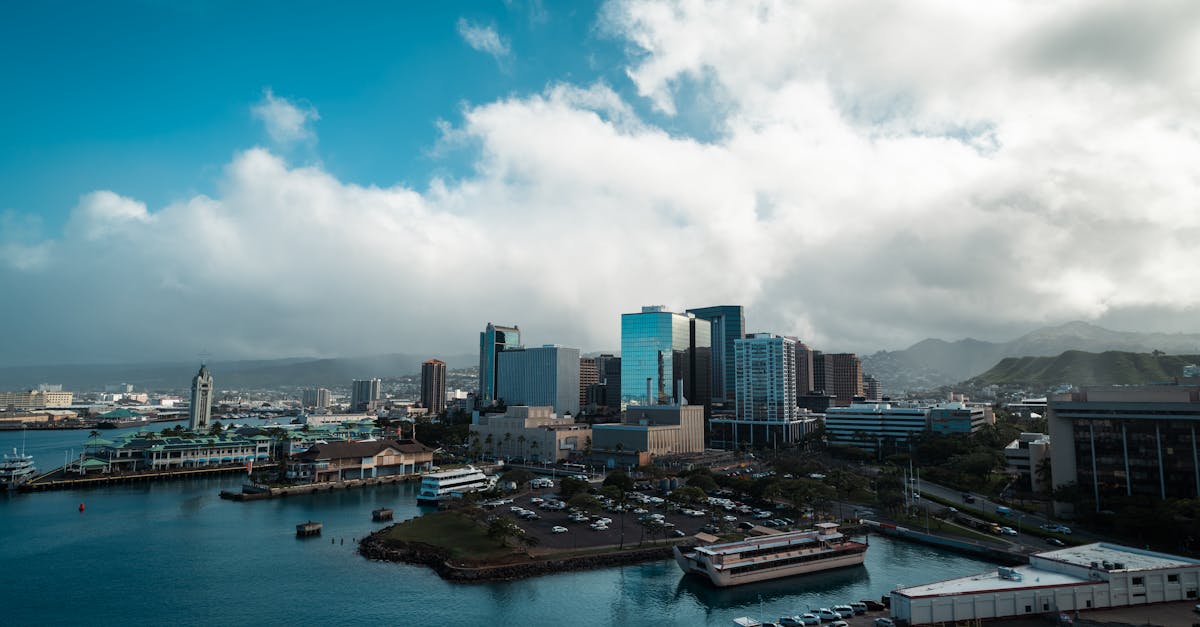
Neiman Marcus will close its three-story, 270,000-square-foot anchor store at Ala Moana Center, marking its exit from the Hawaii market in March 2026. This decision, part of a broader company strategy to optimize its retail footprint amidst financial restructuring, represents a significant void in one of Hawaii’s premier shopping destinations. The closure eliminates a key draw that historically contributed substantial foot traffic and a luxury retail component to the center, impacting the entire retail ecosystem.
Who's Affected
Small Business Operators Businesses located within Ala Moana Center or in close proximity, including restaurants, boutiques, and service providers, are poised to experience a significant drop in spontaneous customer visits. The loss of Neiman Marcus as an anchor tenant means a reduction in the overall appeal of the center, potentially leading to a 10-20% decrease in foot traffic for businesses heavily reliant on passive walk-ins. This necessitates a proactive shift towards more targeted marketing and customer retention efforts. Consider adjusting staffing levels during off-peak hours if foot traffic significantly declines.
Real Estate Owners Landlords at Ala Moana Center face a substantial challenge in replacing the Neiman Marcus anchor space, a prime location comprising a significant portion of the center’s leasable area. The prolonged vacancy of such a large footprint could impact rental income and potentially trigger clauses in surrounding leases that allow for rent re-negotiation or termination. Property owners may see a temporary downturn in the perceived value of retail spaces directly adjacent to the former anchor, requiring strategic leasing to fill the void and maintain overall center appeal.
Investors For investors with holdings in Hawaii retail real estate, particularly those concentrated in or around Ala Moana Center, this presents a heightened risk factor. The departure of a major luxury anchor can deter other high-end retailers and impact the center's overall competitiveness. Real estate investors should re-evaluate their portfolio's exposure to traditional retail assets and consider the long-term viability of such locations in an evolving retail landscape. Diversifying into other sectors or focusing on experiential retail concepts might be a more prudent strategy.
Tourism Operators While Neiman Marcus’s closure might not directly impact core tourism services like hotels or tours, it subtly diminishes one of Hawaii's established shopping attractions, particularly for visitors seeking luxury goods. This could lead to a slight recalibration of visitor itineraries, with a minor reduction in the time allocated for shopping at Ala Moana. Operators should monitor visitor feedback and may need to enhance other experiential offerings to compensate for the reduced shopping appeal.
Second-Order Effects
The closure of a major anchor tenant like Neiman Marcus can trigger a cascade of economic adjustments within Hawaii’s uniquely constrained island economy.
- Reduced Foot Traffic → Lower Sales for Ancillary Retailers → Potential Staffing Reductions → Decreased Local Spending → Further Strain on Small Businesses
- Anchor Vacancy → Increased Pressure on Ala Moana Center Management → Renegotiated Lease Terms for Surrounding Tenants → Potential Decline in Property Tax Revenue from the Center → Impact on County Budgets
- Diminished Shopping Appeal → Slightly Reduced Visitor Itinerary Length → Impact on Transportation Services and Other Local Businesses Dependent on Tourist Spend
What to Do
For Small Business Operators: Implement immediate, aggressive customer engagement strategies. Launch targeted digital marketing campaigns focusing on customer loyalty and value. Consider collaborative promotions with neighboring businesses within Ala Moana Center to create new traffic drivers. Offer exclusive in-store events or services that Neiman Marcus previously fulfilled, such as personal shopping assistance or curated collections. Explore pop-up opportunities or partnerships with complementary businesses to maintain visibility.
For Real Estate Owners: Initiate discussions with Ala Moana Center management regarding the strategy for backfilling the anchor space and its potential timeline. Proactively review lease agreements with existing tenants to anticipate potential renegotiations. Begin exploring alternative uses or tenant mixes for the vicinity to offset the loss of traditional anchor traffic, potentially focusing on entertainment, dining, or experiential retail.
For Investors: Conduct a thorough due diligence on any retail real estate investments directly tied to Ala Moana Center or similar large-scale retail complexes. Assess the landlord's strategy for adapting to the changing retail landscape and their ability to attract new, viable tenants. Consider the long-term impact on cap rates and adjust investment assumptions accordingly. Diversify portfolios to reduce over-reliance on traditional retail sector performance.
For Tourism Operators: Highlight alternative shopping experiences or local artisan markets in your tour packages and recommendations. Emphasize the unique cultural and natural attractions of Hawaii that differentiate the islands from other destinations. Monitor trends in visitor spending and preferences to adapt offerings accordingly. Consider partnerships with remaining Ala Moana tenants for cross-promotional activities.