


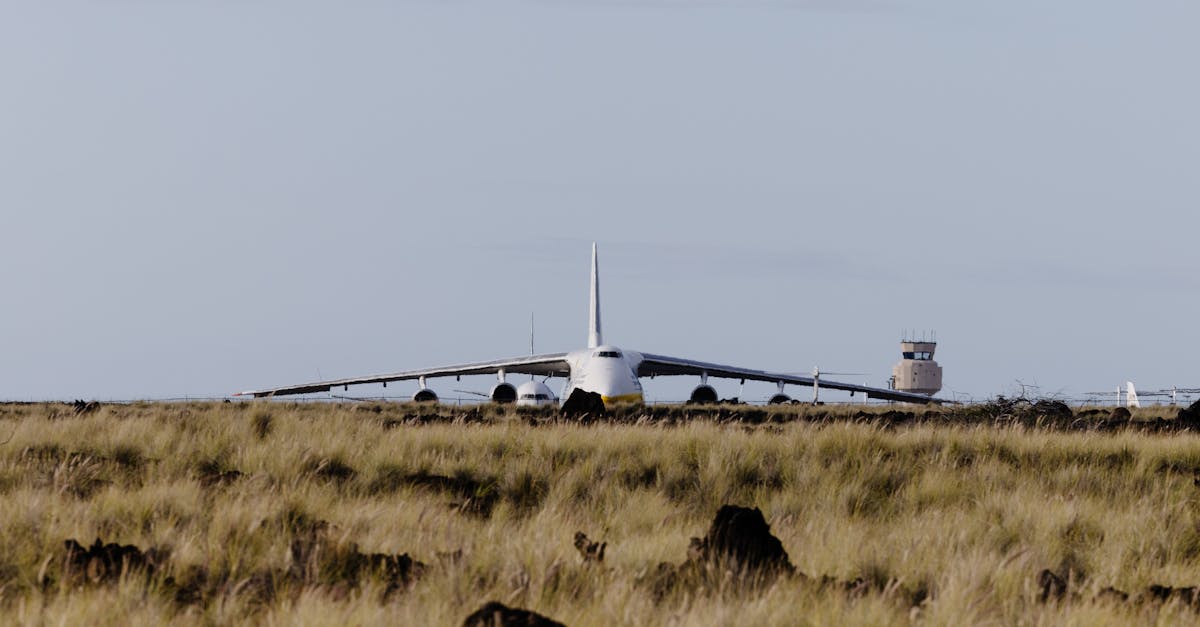
Alaska Air Group's Fleet Changes Will Impact Interisland Cargo Costs and Schedules by 2027
Alaska Air Group's strategic consolidation of Hawaiian Airlines’ interisland operations and significant expansion of its dedicated cargo fleet beginning in 2027 will necessitate a reassessment of logistics and cost structures for businesses across Hawaii. The introduction of Boeing 737-800 aircraft for interisland routes and a doubling of cargo capacity signal a shift in how goods and passengers will move between the islands, with potential implications for operational expenses and service reliability.
The Change
Effective 2028, Alaska Air Group (which acquired Hawaiian Airlines) plans to replace Hawaiian's current fleet of Airbus A330-200, A321neo, and ATR 42-500 aircraft operating interisland routes with Boeing 737-800 aircraft. Concurrently, the group intends to nearly double its dedicated cargo capacity by 2027. This dual strategy aims to streamline operations and capitalize on the growing demand for air cargo in the region. The integration of the Boeing 737-800, a larger and more fuel-efficient aircraft than some of Hawaiian's current interisland planes, could lead to changes in flight frequencies and passenger capacity, while the cargo expansion directly addresses the critical need for robust interisland freight movement.
Who's Affected
Small Business Operators: Local retailers, restaurants, and service providers reliant on timely and cost-effective interisland transport will need to monitor potential changes in shipping costs and delivery schedules. The increased cargo capacity could offer more options, but a shift to larger aircraft on passenger routes might also affect how quickly smaller, time-sensitive shipments can be accommodated.
Tourism Operators: Hotels, tour companies, and vacation rental businesses may see a stabilization or slight adjustment in interisland travel costs for their guests. While the primary focus of the 737-800 transition is operational efficiency, changes in flight frequencies or pricing structures could influence traveler choices and operational planning.
Investors: Investors in Hawaii's logistics, retail, and tourism sectors should evaluate the competitive landscape and potential cost efficiencies or disruptions arising from these fleet changes. The expansion of cargo capacity signals growth potential in e-commerce and supply chain services within the state.
Agriculture & Food Producers: Farmers, ranchers, and food manufacturers depend on reliable interisland transport for both inputs and finished goods. The expansion of dedicated cargo capacity by 2027 could present opportunities for increased distribution and reduced transit times, but producers should assess potential changes in freight rates and the types of goods that can be efficiently transported.
Entrepreneurs & Startups: Businesses looking to scale within the Hawaiian Islands must account for evolving logistics infrastructure. The expanded cargo capacity may facilitate broader market reach, but operators should watch for any associated increases in shipping costs or lead times as the new fleet configurations roll out.
Second-Order Effects
The consolidation of interisland fleets and expansion of cargo operations under a single entity like Alaska Air Group can lead to significant economic ripples. A core concern is the potential for reduced competition in air cargo, which could exert upward pressure on shipping prices for businesses and consumers alike. This, in turn, could increase operating costs for small businesses and agriculture producers, potentially leading to higher prices for goods and services across the islands. Furthermore, a more efficient cargo network might spur further growth in e-commerce, increasing demand for local warehousing and distribution services, while also potentially affecting traditional brick-and-mortar retail.
What to Do
Given the lead times for fleet modernization (2028) and cargo expansion (2027), businesses have an opportunity to proactively adapt. The primary action for most affected roles is to monitor the unfolding changes rather than enact immediate drastic measures.
Small Business Operators, Agriculture & Food Producers, and Entrepreneurs & Startups: Begin tracking announcements from Alaska Air Group regarding cargo rates, service areas, and capacity. Review existing supply chain contracts and identify potential points of vulnerability or opportunity related to interisland shipping. By 2027, you should have a clear picture of how these changes will affect your cost of goods sold and delivery timelines. Consider diversifying shipping partners if feasible.
Tourism Operators: While the direct impact on tourist travel may be less immediate, monitor airline pricing and schedule changes for interisland flights starting in 2027-2028. Understand how these might affect package deals or customer transfer options.
Investors: Maintain awareness of competitor responses and the financial performance of logistics and transport companies in Hawaii. The consolidation presents a significant shift in market structure that could create winners and losers in the coming years.
This transition requires a watchful approach, focusing on information gathering and strategic planning in the lead-up to 2027 and 2028.


