


The Change
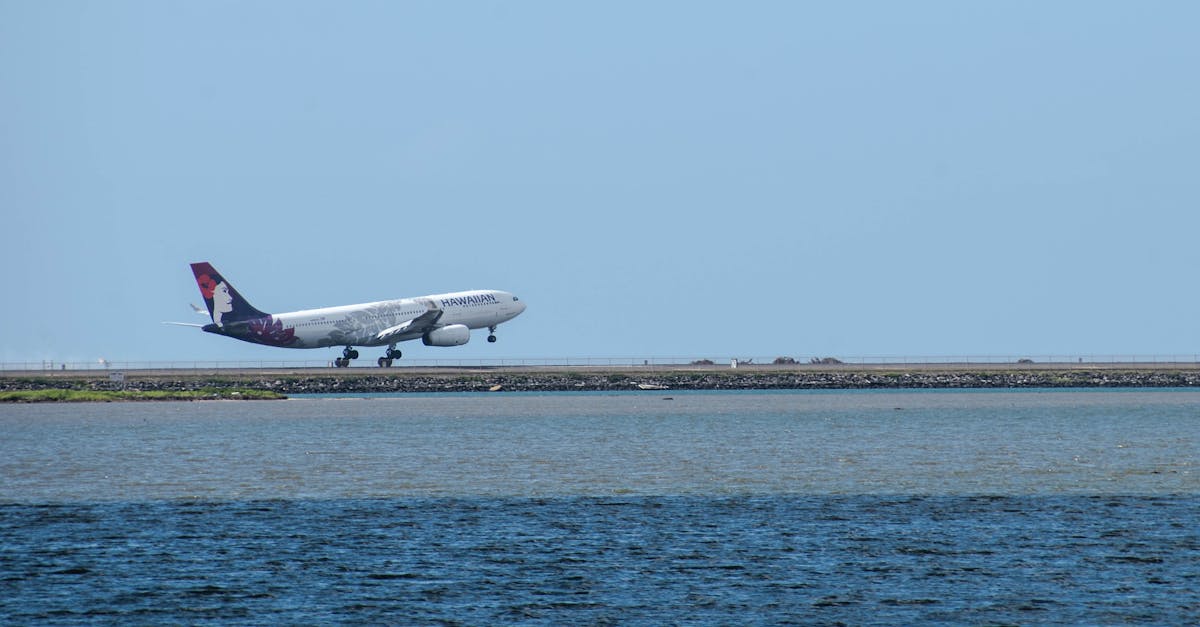
Following the full acquisition of Hawaiian Airlines by Alaska Airlines, Diana Birkett Rakow has been appointed as the new CEO. This transition marks the second CEO appointed from outside Hawaii since the acquisition, signaling a potential shift in the airline's strategic direction and an integration towards a more Seattle-centric operational model.
While specific operational changes are not yet public, this leadership transition suggests a period of strategic review and potential realignment for Hawaiian Airlines. Key areas that could see adjustments include route networks, pricing strategies, loyalty programs, and operational efficiencies, all of which could have direct or indirect impacts on businesses operating in and connected to Hawaii.
Who's Affected
Tourism Operators
This leadership change necessitates vigilance for hotels, tour companies, and vacation rental operators. Any alteration in flight schedules, capacity, or the pricing of routes serving Hawaii could directly influence visitor arrival numbers and booking patterns. A shift towards prioritizing certain routes or implementing new pricing tiers by the merged entity could affect the accessibility and cost for tourists, potentially impacting occupancy rates and revenue. Specifically, a reduction in direct flights or an increase in travel costs could deter visitors, especially those on tighter budgets.
Small Business Operators
For businesses reliant on air cargo, such as those importing specialized goods or exporting local products, changes to Hawaiian Airlines' cargo services and pricing structures are a key concern. Shifts in operational focus could lead to more variable cargo rates or altered delivery schedules, impacting inventory management and the cost of goods sold. Furthermore, local businesses that rely on inter-island travel for their employees or for client meetings will need to monitor changes to inter-island flight frequency and cost.
Investors
Investors in Hawaiian Airlines, Alaska Airlines, or companies with significant exposure to Hawaii's tourism market should closely monitor the integration strategy. The appointment of new leadership from the parent company could indicate a move toward greater operational synergy, potentially leading to cost efficiencies, but also risking a dilution of Hawaiian Airlines' unique brand identity. Investors will need to assess how this leadership change affects the airline's competitive positioning, market share, and long-term profitability in the Hawaii market.
Entrepreneurs & Startups
Entrepreneurs and startups, particularly those in the tech and service sectors, may be affected by changes in business travel costs and connectivity. If the new leadership streamlines operations in a way that reduces flight options or increases prices, it could make it more challenging and expensive for startups to bring in talent, attend industry events, or serve mainland clients. Inter-island connectivity, crucial for many local startups, also remains a critical factor.
Second-Order Effects
Any consolidation or strategic shift at Hawaiian Airlines under Alaska Airlines' ownership could ripple through Hawaii's economy over the next 6-12 months. For instance, a potential reduction in flight frequency or an increase in airfares, driven by operational efficiencies or a focus on higher-margin routes, could lead to fewer tourists. This, in turn, could reduce demand for local services, impacting small businesses' revenue and potentially slowing job growth in the hospitality sector. Furthermore, a less robust air cargo network could increase the cost of imported goods, contributing to higher consumer prices and inflation across the islands.
What to Do
Given the 'WATCH' action level, the primary recommendation is to monitor key indicators related to Hawaiian Airlines' operational strategy and market presence. Specific actions for each role include:
Tourism Operators: Monitor official announcements from Hawaiian Airlines and Alaska Airlines regarding route changes, flight schedules, and loyalty program integration. Pay close attention to visitor arrival statistics and booking trends from industry bodies like the Hawaii Tourism Authority.
Small Business Operators: Track changes in air cargo rates and transit times. Stay informed about any announcements regarding inter-island flight frequency and cost, as these directly impact logistics and business travel.
Investors: Review quarterly earnings reports and press releases from both Alaska Airlines and Hawaiian Airlines for insights into strategic integration and financial performance. Monitor industry analyst reports for updated valuations and outlooks on the airline sector serving Hawaii.
Entrepreneurs & Startups: Keep a close watch on flight booking platforms for changes in direct flight availability and pricing to mainland US and inter-island destinations. Assess the potential impact on travel budgets for business development and talent acquisition.
Action Details: Monitor public announcements from Hawaiian Airlines and Alaska Airlines concerning route network adjustments, pricing strategies, and cargo service offerings over the next 30-60 days. Be prepared to adjust travel booking parameters and supply chain logistics if significant changes are implemented.


