


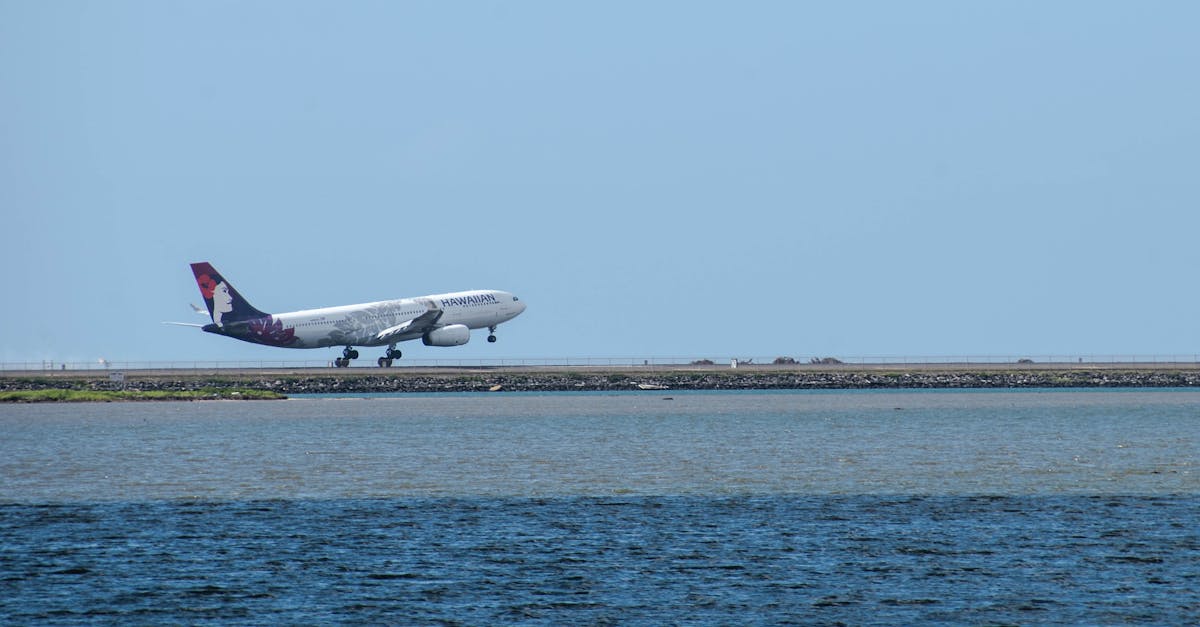
Alaska Airlines Executive Takes Helm at Hawaiian Airlines: Monitor Potential Shifts in Inter-Island Travel and Pricing
Executive Brief
Alaska Airlines' full integration of Hawaiian Airlines now includes a leadership change, potentially signaling future adjustments to inter-island flight schedules, pricing structures, and brand loyalty programs. Tourism operators and investors should closely monitor these developments for impacts on visitor accessibility and market dynamics.
- Tourism Operators: Potential changes in flight availability, pricing, and loyalty programs could affect visitor travel planning and costs.
- Small Business Operators: Shifts in visitor traffic patterns or the overall tourism ecosystem may indirectly influence local consumer spending.
- Investors: Changes in strategy could impact the competitive landscape and profitability of Hawaiian Airlines and related travel sectors.
- Action: Watch for official announcements regarding route adjustments, fare strategies, and integration of loyalty programs.
The Change
Following the complete acquisition of Hawaiian Airlines by Alaska Airlines, a new CEO, Diana Birkett Rakow, has been appointed. This transition marks the second CEO appointed from outside Hawaii since the takeover and signals a continued deepening of operational integration with Alaska Airlines' Seattle-based headquarters. While the "Aloha Spirit" is intended to be preserved, this leadership change indicates a strategic shift towards a unified operational and management approach, potentially streamlining decision-making and aligning Hawaiian Airlines' route and pricing strategies more closely with Alaska Airlines' broader network objectives.
Who's Affected
Tourism Operators (Hotels, Tour Companies, Vacation Rentals)
For tourism businesses, the primary concern is how the leadership change and integration will affect visitor access and costs. Potential shifts in inter-island flight frequency, network optimization that could reduce connectivity between smaller islands, or changes to the pricing structure of Hawaiian Airlines tickets could directly impact booking patterns and the overall visitor experience. Furthermore, any changes to loyalty programs (such as the integration or discontinuation of HawaiianMiles benefits) could influence how repeat visitors plan their trips and their overall spending habits in Hawaii. A less convenient or more expensive travel experience within the islands could deter longer stays or multi-island itineraries, affecting demand across the sector.
Small Business Operators (Restaurants, Retail, Services)
While not directly involved in airline operations, small businesses in Hawaii are heavily reliant on the tourism sector. Any significant alteration in visitor numbers, length of stay, or the distribution of tourists across the islands—potentially influenced by the airline's strategic adjustments—could lead to fluctuations in foot traffic and consumer spending. If new leadership prioritizes efficiency that impacts routes crucial for accessing certain tourist areas, businesses in those locations might experience reduced demand. Conversely, if operational efficiencies lead to more affordable travel, it could boost overall visitor numbers and, by extension, local business revenue.
Investors (VCs, Angel Investors, Portfolio Managers)
Investors in the travel and hospitality sectors, as well as those with portfolios including Hawaiian Airlines or its competitors, should assess the strategic implications of this CEO transition. The integration under Alaska Airlines' leadership could lead to a more consolidated market share for the combined entity, potentially altering competitive dynamics. Decisions made by the new leadership regarding fleet modernization, route development, pricing strategies, and the integration of loyalty programs will influence the financial performance and long-term value of Hawaiian Airlines. For investors, understanding this new strategic direction is key to anticipating market shifts and potential opportunities or risks.
Second-Order Effects
This leadership consolidation and potential strategic alignment could initiate a ripple effect across Hawaii's economy. If Alaska Airlines prioritizes network efficiency by potentially reducing less profitable inter-island routes or increasing fares, it could lead to decreased visitor mobility within the state. This reduced mobility might concentrate tourism in fewer, more accessible areas, impacting local businesses in less-served regions. Furthermore, a less robust inter-island network could indirectly affect the cost of goods and services for residents in those areas, as transporting supplies becomes more challenging and expensive, potentially increasing local operating costs for businesses and the cost of living for residents.
What to Do
This is a WATCH scenario. No immediate action is required, but continuous monitoring is advised.
For Tourism Operators:
Monitor official announcements from Hawaiian Airlines and Alaska Airlines regarding:
- Changes to inter-island flight schedules and route network adjustments.
- Any updates or integration plans for the HawaiianMiles loyalty program.
- Publicly stated pricing strategies or fare adjustments.
Trigger for Action: If significant route reductions or substantial fare increases affecting key tourist corridors are announced, reassess marketing strategies and assess potential impacts on booking forecasts. Consider diversifying marketing efforts to islands less reliant on specific flight paths.
For Small Business Operators: Keep an eye on broader tourism trends and visitor arrival numbers. While direct airline strategy changes are less immediate, observe any shifts in visitor distribution or overall tourism volume that might correlate with airline capacity or pricing. Trigger for Action: If noticeable, sustained dips in visitor foot traffic are observed that can be plausibly linked to changes in air travel accessibility or cost, consider strategies to attract more local patronage or adjust inventory/staffing levels accordingly.
For Investors: Follow financial reports and investor calls from Alaska Airlines for insights into Hawaiian Airlines' performance and strategic direction. Pay attention to analyst reports and market news that assess the competitive impact of the integration. Trigger for Action: If Alaska Airlines signals a departure from, or significant alteration of, Hawaiian Airlines' historical market positioning or profitability outlook, reconsider portfolio allocation within the travel and hospitality sector.


