


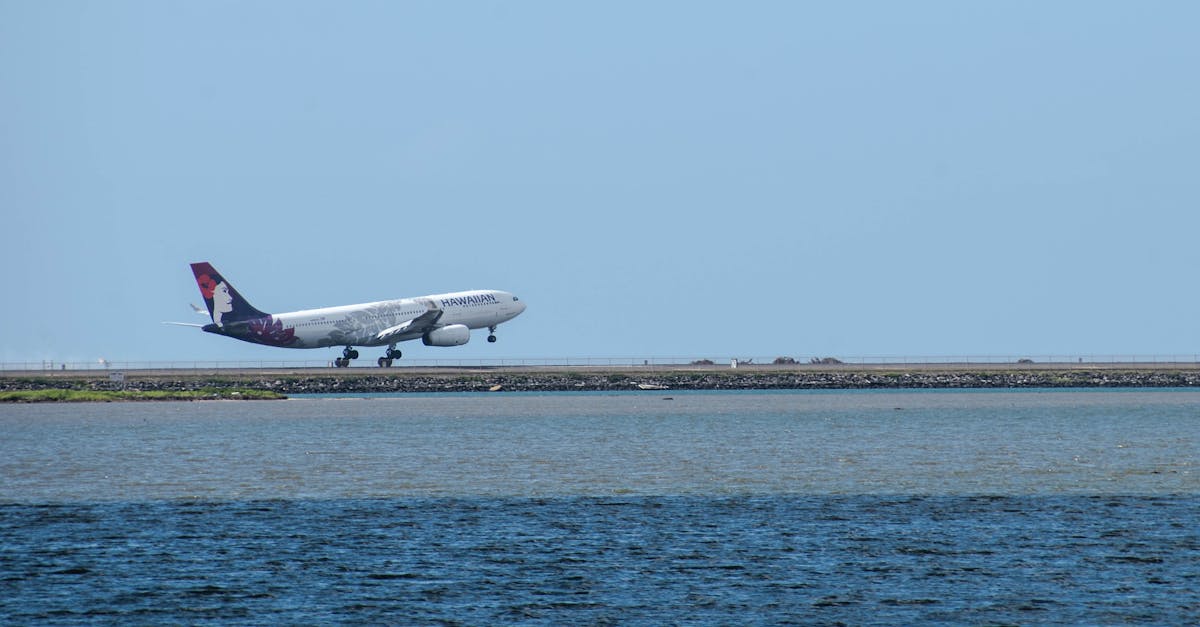
Alaska Airlines Leadership Change at Hawaiian Airlines May Signal Shift in Island Air Service
Alaska Airlines' recent appointment of Diana Birkett Rakow as the new CEO of Hawaiian Airlines marks a significant shift away from local leadership for the island carrier. This move, following Alaska Airlines' full acquisition of Hawaiian, suggests an accelerated integration into Alaska's broader network and operational framework, potentially impacting service levels, pricing, and route availability for Hawaii-based businesses and the vital tourism sector.
The Change
Following the completion of its acquisition of Hawaiian Airlines, Alaska Airlines has replaced the existing CEO with Diana Birkett Rakow, a veteran executive from Alaska Airlines' own leadership team. This transition, effective immediately, is intended to bring Hawaiian Airlines under closer operational and strategic alignment with its new parent company. The stated goal is to leverage Alaska Airlines' expertise and resources to enhance Hawaiian's performance, though the full implications for the distinct brand identity and operational autonomy of Hawaiian Airlines remain to be seen. This marks the second consecutive CEO appointment not from Hawaii, reinforcing the perception of a shift towards a more Seattle-centric management structure.
Who's Affected?
-
Tourism Operators:
- Impact: This leadership change could lead to adjustments in flight schedules, route networks, and pricing strategies. A more integrated approach might mean prioritizing routes that complement Alaska Airlines' existing network, potentially altering direct flight availability to certain destinations or increasing flight frequency on others. Fare structures could also be realigned with Alaska Airlines' general pricing models.
- Timeline: Potential impacts on booking patterns and operational planning could emerge within the next 6-12 months as new strategies are implemented.
-
Investors:
- Impact: Investors will be scrutinizing the integration process for signs of improved financial performance and market share for Hawaiian Airlines under Alaska Airlines' guidance. Decisions regarding fleet modernization, route expansion/contraction, and operational efficiencies will be key indicators of future profitability and potential investment opportunities or risks.
- Timeline: The market will assess the success of this integration over the next 1-3 years, with initial strategic shifts observable within the first 12 months.
-
Small Business Operators:
- Impact: Changes in air cargo capacity and pricing could influence the cost of importing goods and materials crucial for many Hawaii-based businesses. Furthermore, shifts in business travel routes and costs for company personnel traveling to the mainland could affect operational budgets.
- Timeline: Effects on shipping and business travel costs could be felt within 3-6 months, depending on cargo consolidation and route adjustments.
-
Entrepreneurs & Startups:
- Impact: While less direct, changes in air connectivity and travel costs can subtly impact a startup's ability to attract mainland talent for interviews or on-site visits, and to conduct in-person business development or partner meetings. Enhanced, potentially more streamlined, travel options could be a minor benefit.
- Timeline: Any discernible impact on recruitment or business development travel logistics would likely be observed over the next 6-18 months.
Second-Order Effects
The consolidation of Hawaiian Airlines under Alaska Airlines' operational umbrella could introduce new dynamics into Hawaii's isolated economy. A more integrated airline network might lead to more standardized pricing, potentially increasing the cost of inter-island travel or mainland flights if efficiencies are not passed on. This could, in turn, squeeze margins for tourism operators who rely on affordable travel for their clientele. Conversely, if Alaska Airlines successfully expands routes or increases frequency to key markets, it could boost visitor numbers, indirectly supporting local businesses through increased demand. However, any significant reduction in air cargo capacity or increase in freight costs would directly impact the supply chain for goods, raising prices for consumers and businesses alike and potentially affecting inflation rates on the islands.
What to Do
For Tourism Operators: Proactively monitor official announcements from Alaska Airlines and Hawaiian Airlines regarding their integrated route maps, flight schedules, and loyalty program details. Assess how potential changes in flight availability and pricing might affect your booking strategies and adjust marketing efforts accordingly. Consider diversifying marketing channels and booking platforms to mitigate over-reliance on specific airline partnerships.
For Investors: Closely follow quarterly earnings reports and strategic updates from Alaska Airlines, paying specific attention to any commentary on Hawaiian Airlines' performance and integration progress. Analyze changes in load factors, yield management, and operational cost structures for Hawaiian Airlines as indicators of the success of Alaska Airlines' management. Keep an eye on competitor responses within the Hawaii market.
For Small Business Operators: Stay informed about any changes in air cargo services offered by the merged entity, particularly regarding frequency, routes, and pricing. This is critical for businesses dependent on air freight for inventory or supplies. Review your business travel budget and contingency plans for mainland travel, anticipating potential shifts in flight options and costs.
For Entrepreneurs & Startups: While less immediate, remain aware of the broader transportation infrastructure. If connectivity via air travel becomes significantly more or less convenient or costly, this could influence decisions related to visiting investors, attending industry conferences, or relocating key personnel.
Watch: Monitor Alaska Airlines' official communications and press releases concerning Hawaiian Airlines' operational strategy, fleet integration, and route network adjustments over the next 6-12 months. Pay close attention to any changes in pricing algorithms or fare structures related to flights serving Hawaii. A significant shift in pricing that leads to a sustained increase of over 10% in average airfare for key tourist or business routes, or a reduction in direct flight connectivity to key mainland or international hubs, would trigger a need for more immediate strategic planning, such as re-evaluating marketing targets or exploring alternative logistics solutions.


