The Change
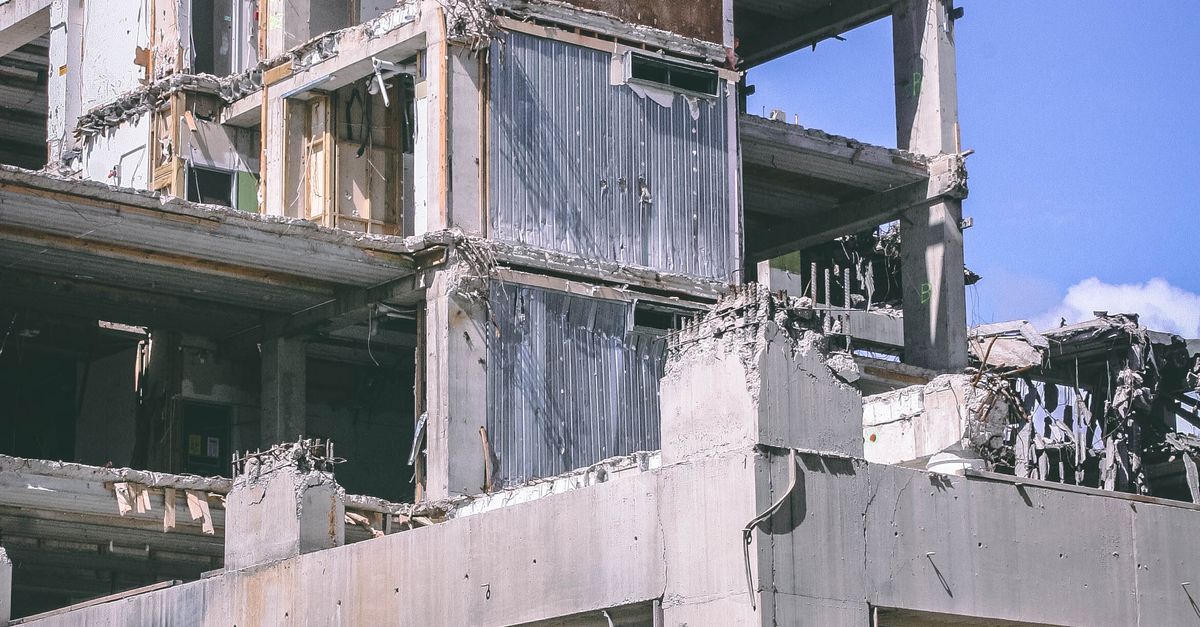
The continued structural failures during the dismantling of Aloha Stadium, exemplified by the June 2nd collapse of another stadium section, signal ongoing challenges in realizing the replacement facility and redeveloping the surrounding 98-acre site. While the dismantling project was slated for completion by late 2025, these recurring structural events suggest potential for further delays and cost escalations. The immediate implication is a need for enhanced oversight of the demolition process itself, ensuring site safety and preventing further unexpected collapses.
Who's Affected
Real Estate Owners & Developers: The primary concern for property owners and developers in the vicinity of the stadium is the potential for extended timelines and increased costs associated with the stadium replacement and the broader Vision 2030 redevelopment plan. Unexpected structural issues during demolition can lead to delays in site clearance, making land available for new construction. These delays can cascade into increased holding costs, permit acquisition challenges, and revised financing needs for future projects planned on or near the stadium grounds. The ability to secure reliable construction timelines for adjacent commercial and residential developments is directly impacted.
Investors: Investors with exposure to Hawaii's real estate market, particularly those focused on development projects or who have stakes in companies involved in the stadium's redevelopment (e.g., construction firms, materials suppliers), face increased risk. Schedule slippage and cost overruns on a major public project like the Aloha Stadium replacement can impact investor confidence and the financial viability of the overall Vision 2030 initiative. The delays could also affect the availability of large-scale venues for future events, potentially impacting the broader tourism and entertainment sectors.
Small Business Operators: Small businesses located in areas adjacent to Aloha Stadium may experience prolonged periods of disruption. While the current phase is demolition, future construction of the new stadium and surrounding infrastructure will likely involve significant traffic diversions, noise pollution, and potential impacts on customer access. Operators should anticipate a need to adapt business models to accommodate extended construction periods, and potentially face increased operating costs due to localized supply chain or labor access issues if the construction demand strains local resources.
Second-Order Effects
These ongoing demolition challenges during the Aloha Stadium dismantling project could trigger a cascade of effects through Hawaii's constrained economy. If site stabilization proves more complex and costly than anticipated, it could result in a scaled-back or delayed Vision 2030 redevelopment. This, in turn, might limit the availability of new commercial and residential space, potentially inflating rental rates for existing properties and exacerbating Hawaii's already high cost of living. Furthermore, extended construction timelines on such a high-profile project could strain the local construction labor pool, potentially driving up wages for skilled trades and impacting labor availability for other concurrent development projects across the islands.
What to Do
Given the "WATCH" action level, the focus for affected roles is on monitoring developments and preparing for potential shifts in timelines and costs.
Real Estate Owners & Developers: Monitor official statements from the Hawaii Stadium Authority regarding the demolition progress, site safety reports, and any revised timelines for the stadium replacement and land development. Be prepared to adjust project schedules and financial projections accordingly. Consider preliminary discussions with your engineering and construction partners about potential risks associated with public infrastructure project delays.
Investors: Track news from the Hawaii Stadium Authority for updates on demolition progress and the overall Vision 2030 timeline. Analyze how potential delays in the stadium project might impact related sectors like construction, materials, and potentially hospitality and entertainment if event venue availability is affected. Re-evaluate portfolio exposure to Hawaii-based development projects that rely on adjacent infrastructure development.
Small Business Operators: Stay informed about projected construction phases for the stadium replacement and surrounding areas through the Hawaii Department of Transportation. Identify potential impacts on your business's accessibility, customer foot traffic, and operating environment. Develop contingency plans for managing potential noise, traffic, and access disruptions during future construction periods, which could last for several years.