


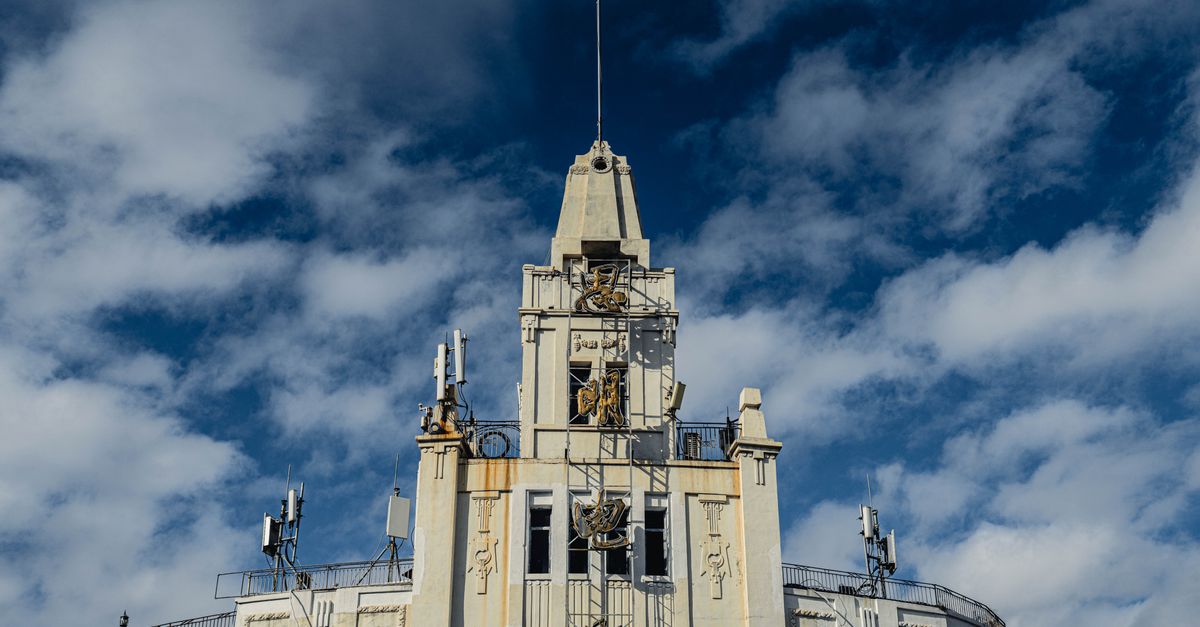
Aloha Tower Renovation Completion to Boost Downtown Honolulu Foot Traffic
The nearing completion of Aloha Tower's $7 million revitalization project is set to enhance its appeal and functionality. With exterior painting, window replacements, a new elevator, and a rebuilt observation deck scheduled for completion in September 2026, the landmark is poised to draw more visitors and commuters to the downtown Honolulu waterfront.
Who's Affected
-
Tourism Operators: Hotels, tour companies, and cruise lines may see increased interest from visitors seeking new attractions and improved viewing experiences. The enhanced observation deck could become a new destination for pre- or post-cruise excursions or city tours. Hospitality businesses in the vicinity should anticipate a potential uptick in transient foot traffic.
-
Real Estate Owners: Property owners and managers in the downtown Honolulu area, particularly those with commercial or mixed-use properties near Aloha Tower, may benefit from increased property desirability. The revitalized landmark can serve as a new anchor attraction, potentially driving higher rental rates for retail spaces and offices that offer views or proximity.
-
Small Business Operators: Restaurants, retail shops, and service providers directly adjacent to or within walking distance of Aloha Tower could experience a significant increase in customer volume. The improved observation deck and general aesthetic upgrades are expected to encourage longer stays and more exploration of the surrounding areas. Businesses should consider staffing and inventory adjustments in anticipation of higher demand.
-
Investors: Real estate investors focused on the downtown Honolulu market should monitor leasing activity and property values in the Aloha Tower's immediate vicinity. Investors in tourism-related businesses, such as those operating tour services or food and beverage establishments, may find new opportunities arising from the increased visitor appeal.
Second-Order Effects
The revitalization of Aloha Tower is likely to create a positive feedback loop within the downtown Honolulu economy. Enhanced visitor appeal can lead to increased demand for local food and beverage establishments, potentially driving up revenue for small businesses. This, in turn, could stimulate local employment and potentially lead to higher wages in the service sector. Furthermore, increased foot traffic may encourage further investment in public spaces and retail development along the waterfront, creating a more vibrant urban core and potentially increasing property values for nearby real estate owners.
What to Do
As the September completion date approaches, businesses and investors should adopt a watchful stance. The primary action is to monitor key indicators to gauge the impact of the renovated Aloha Tower and make informed strategic decisions.
-
Tourism Operators: Monitor visitor inquiries related to Aloha Tower and track tour booking trends originating from or incorporating the landmark. Be prepared to develop or adjust tour packages if demand materializes.
-
Real Estate Owners: Track commercial leasing inquiries and property sale trends in the downtown Honolulu area, especially for properties with Aloha Tower visibility or proximity. Assess potential for rental rate adjustments based on increased tenant interest.
-
Small Business Operators: Observe foot traffic patterns and sales volumes around Aloha Tower starting in September. Consider targeted marketing campaigns highlighting proximity to the revitalized attraction, and adjust staffing and inventory levels proactively if sustained increases in customer flow are observed.
-
Investors: Monitor real estate market trends (leasing, sales, rental rates) in the downtown Honolulu core. Track performance of local tourism-dependent businesses and assess consumer spending in the affected area.


