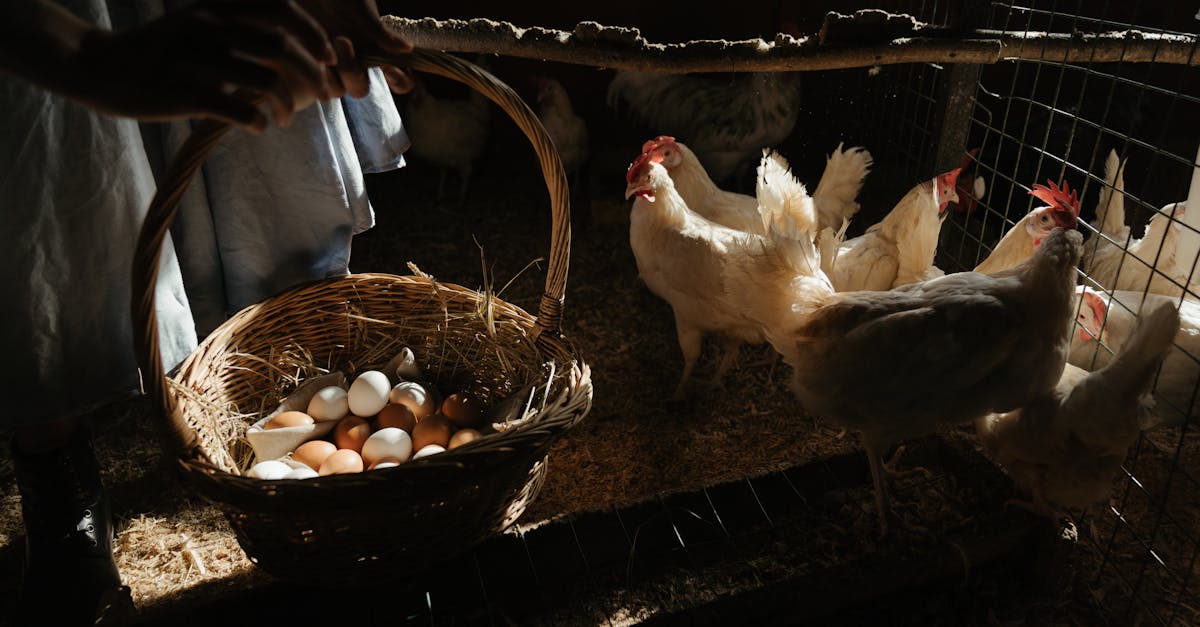
Hawaii Island residents are poised to gain access to fresh, locally-sourced eggs following the County Council's recent decision to legalize household henneries in most residential areas. According to the Hawaii Tribune-Herald, the bill was passed on Wednesday, providing a potential relief to families struggling with rising egg prices. With egg prices remaining high, the ability to raise hens at home offers a pathway to greater food security for residents.
The new legislation establishes a "household hennery" land-use category, permitting residents in various residential districts to keep hens for personal egg production. This includes Single-Family Residential, Double-Family Residential, Multiple-Family Residential, and Residential-Commercial Mixed Use districts. This is a significant shift, as current county law primarily restricts chicken-keeping to agricultural land. Hawaii Public Radio notes that Councilmember Matt Kanealiʻi-Kleinfelder, who introduced a similar measure, emphasized the importance of food resilience, especially given the increasing cost of basic goods.
This policy change has several implications for Hawaii's business landscape. Local entrepreneurs might find opportunities in supplying hen-keeping equipment, feed, and educational resources. Furthermore, the move reflects a broader trend toward localized food systems and sustainability, which could attract investors interested in supporting environmentally-conscious initiatives. However, anyone considering starting a hennery must comply with local regulations to ensure responsible hen-keeping practices that align with community standards.
While the bill's primary focus is on individual households, the cumulative effect of many homes adopting henneries could be substantial. It could lead to a reduction in demand for commercially produced eggs, potentially affecting local grocery stores and egg distributors. The initiative offers a glimpse into how communities can cultivate greater self-sufficiency in the face of economic challenges by embracing a return to the fundamentals of food production.


