


Big Island Businesses Face Potential Disruptions from Kīlauea Eruption Activity (April 6-14)
The Change
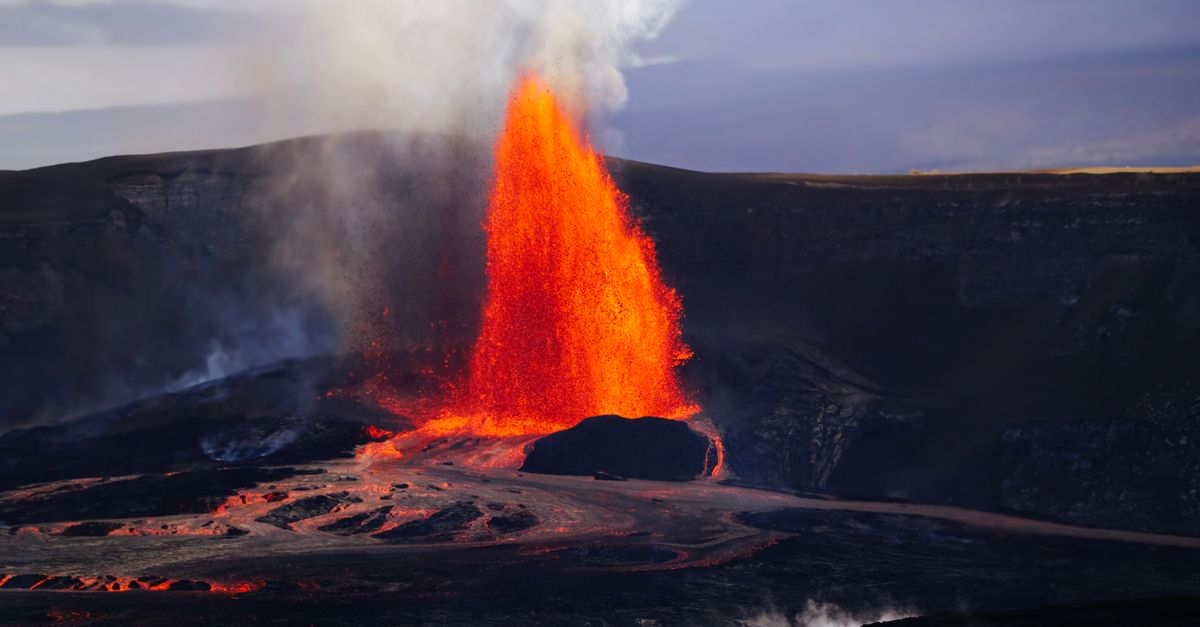
The U.S. Geological Survey (USGS) Hawaiian Volcano Observatory (HVO) has identified precursory activity indicating a potential fountaining eruption at Kīlauea volcano's summit. This activity is projected to occur between April 6 and April 14, 2026. While the exact timing and intensity are uncertain, a significant eruption could lead to ashfall, volcanic gases, and tephra deposition across the Big Island, and potentially beyond, depending on wind patterns.
Who's Affected
Tourism Operators (Hotels, Tour Companies, Vacation Rentals, Hospitality)
Operators on the Big Island, particularly in the southern and western regions, should prepare for potential impacts on visitor flow. Ashfall can:
- Ground flights: Disrupting arrivals and departures, leading to cancellations and no-shows.
- Reduce visibility and air quality: Affecting outdoor tours and activities.
- Damage reputation: Visitors may perceive Hawaii as unsafe or inconvenient, impacting future bookings.
Consideration should be given to flexible cancellation policies and communication strategies to manage guest expectations. Hotels should have plans for indoor activities or amenity adjustments if outdoor tourism is curtailed.
Small Business Operators (Restaurants, Retail, Services)
Businesses on the Big Island may face operational challenges:
- Staffing: Employees may be unable to commute due to poor air quality or transportation issues.
- Supply Chain: Road closures or reduced air cargo could disrupt deliveries of goods.
- Customer Traffic: Reduced visitor numbers and local residents staying indoors will impact foot traffic.
Businesses in affected areas should monitor air quality advisories and have remote work options or flexible scheduling where feasible for employees.
Agriculture & Food Producers (Farms, Ranches, Food Processors)
Crops on the Big Island are vulnerable to ashfall, which can:
- Coat leaves: Reducing photosynthesis and potentially damaging crops like coffee, macadamia nuts, and leafy greens.
- Contaminate water sources: Affecting livestock and irrigation.
- Damage machinery: Ash is abrasive and can harm agricultural equipment.
Producers should consider protective measures for sensitive crops and livestock, and have contingency plans for harvest and transport disruptions. For those exporting goods, delays at ports or airports are a possibility.
Real Estate Owners (Property Owners, Landlords, Managers)
While direct property damage from ashfall is unlikely unless fallout is extreme, owners should be aware of secondary impacts:
- Reduced desirability: Properties directly under heavy ashfall paths may see temporary dips in rental demand or value.
- Cleaning costs: Properties may require significant cleaning, which could be passed on to tenants or impacting short-term rental readiness.
Second-Order Effects
Volcanic ashfall, even at moderate levels, can have cascading effects on Hawaii's isolated economy. Reduced air travel due to ash clouds directly impacts the tourism sector, leading to fewer visitors. This decrease in tourism reduces demand for local goods and services, affecting small businesses. Lower consumer spending can then put pressure on wages and employment. Furthermore, a significant disruption could increase reliance on inter-island or mainland supply chains, exacerbating already high shipping costs due to the Jones Act. The perception of instability could also deter investment in real estate or new ventures.
What to Do
This situation requires a WATCH approach for businesses operating on or connected to the Big Island. The core action is proactive monitoring and preparedness.
Tourism Operators
- Monitor: Daily U.S. Geological Survey (USGS) Hawaiian Volcano Observatory (HVO) updates for eruption status and ashfall projections. Track airline advisories and air quality indexes (AQI) for affected regions.
- Contingency: Develop flexible booking and cancellation policies. Prepare communication materials for guests regarding potential disruptions. Identify indoor activities or attractions that can be promoted if outdoor tours are impacted.
Small Business Operators
- Monitor: USGS HVO alerts and local air quality reports (e.g., from the Department of Health). Assess potential routes for employee commutes and deliveries.
- Contingency: Identify opportunities for remote work or flexible scheduling. Stock essential supplies if supply chain disruptions are anticipated. Ensure communication channels with staff and suppliers are robust.
Agriculture & Food Producers
- Monitor: USGS HVO ashfall forecasts and local weather patterns. Assess field conditions and potential impact on irrigation systems.
- Contingency: Have protective coverings ready for sensitive crops if significant ashfall is predicted. Secure livestock and water sources. Ensure equipment is covered or protected. Review transport schedules for potential delays.
Real Estate Owners
- Monitor: USGS HVO reports for ashfall paths and intensity. Local news for community impact assessments.
- Contingency: For properties on the Big Island, have cleaning supplies and services on standby. Communicate property condition expectations to current and potential tenants.
Remote Workers
- Monitor: Local AQI reports and USGS HVO updates.
- Contingency: Plan for more indoor workdays if air quality deteriorates. Ensure any necessary outdoor errands or travel are completed when AQI is favorable.
Action Details: All affected roles should regularly check the USGS Hawaiian Volcano Observatory website for official updates. A significant trigger for action would be a USGS advisory forecasting widespread moderate to heavy ashfall impacting populated areas or transportation hubs. At that point, businesses should implement their prepared contingency plans, which may include temporary closures, adjusted operations, or enhanced communication with stakeholders.


