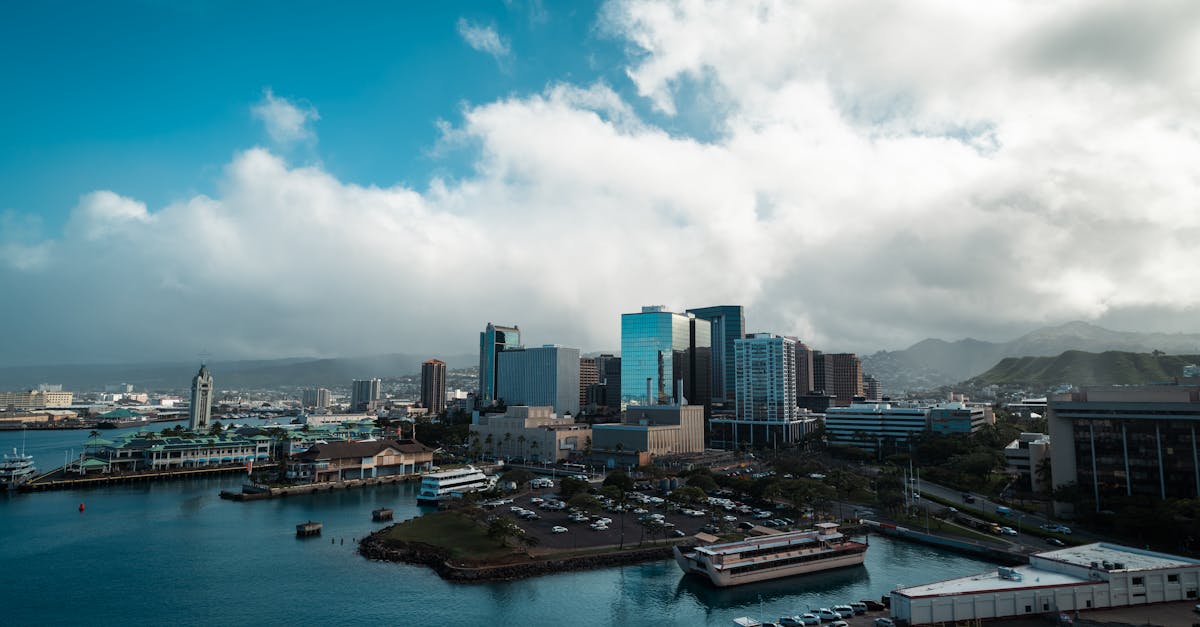
HONOLULU (KHON2) — While tariffs with China have been temporarily paused, Hawaii businesses are already grappling with the anticipated economic fallout. The rising cost of goods, from groceries to restaurant supplies, is forcing local entrepreneurs to make tough decisions to maintain profitability. This situation poses significant challenges for various sectors, requiring adaptability and strategic planning from business owners across the islands.
John Scott of John's World Famous Hawaii Hot Dogs, as reported by KHON2, is among the many business owners navigating the increased costs. The ripple effect of tariffs extends beyond immediate price hikes; it impacts supply chains and the overall cost of doing business in Hawaii. West Hawaii Today highlights concerns that the tariffs, even if adjusted, could lead to closures and higher prices for consumers.
The potential impact on various sectors within Hawaii is substantial. Restaurants, already facing high operational costs, are under pressure to absorb rising food prices or pass them on to consumers, potentially affecting customer traffic. Retail businesses see similar challenges. The Star Advertiser reported on the impact of previous tariffs, underscoring that consumers often bear the brunt of increased costs. Businesses must balance the need to maintain competitive pricing with the reality of higher expenses.
For Hawaii's entrepreneurs, adapting to these economic pressures requires careful consideration. Diversifying suppliers, exploring cost-saving measures, and possibly adjusting business models are key strategies. Understanding the nuances of the tariffs and how they affect specific product imports is crucial. Government officials and business support organizations may need to ramp up support for local businesses, including providing resources and guidance.
However, there's also a broader context to consider. Hawaii News Now notes that the tariff landscape is volatile, with policy changes potentially reshaping the economy. This uncertainty necessitates that businesses stay informed and prepared for adjustments. While challenges exist, proactive planning, along with support from government and industry groups, can help Hawaii businesses survive and thrive in a changing global trade environment.