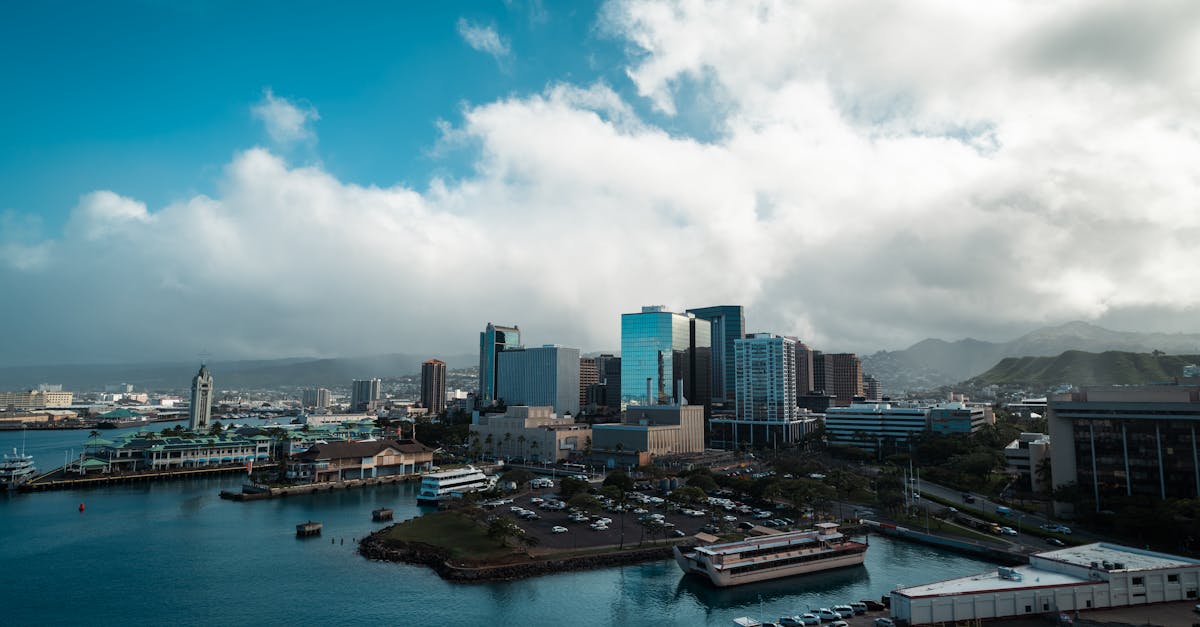
Businesses Face Immediate Operational Disruption and Property Risk as Hurricane Fausto Intensifies
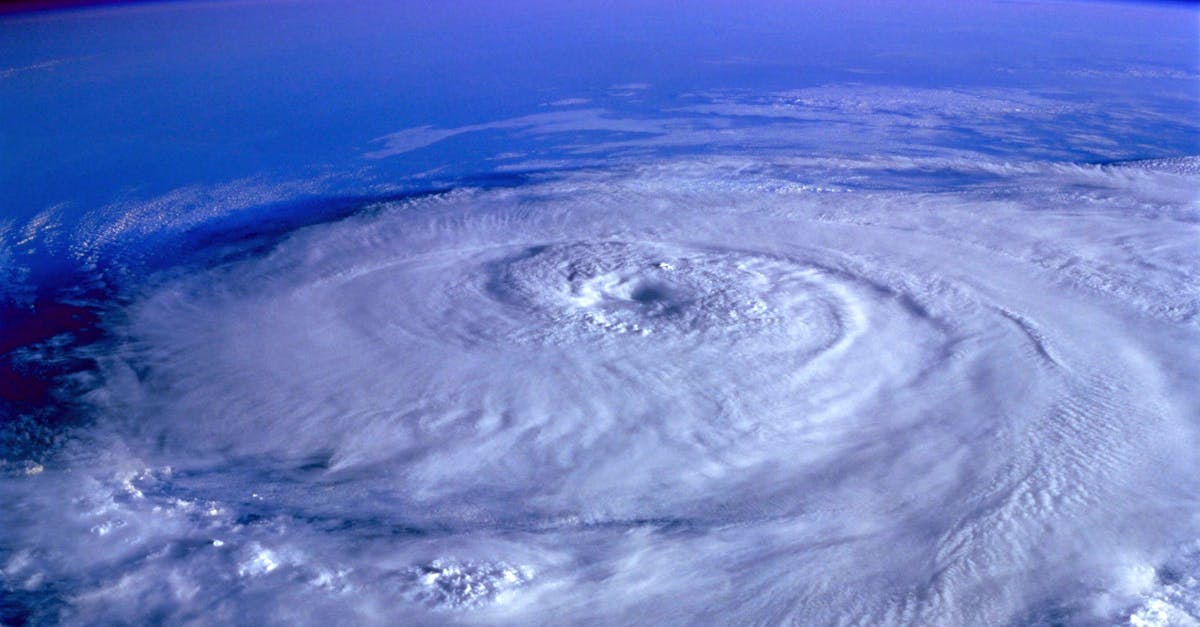
Hurricane Fausto has rapidly intensified into a Category 1 hurricane, and further strengthening is forecast throughout Wednesday. This escalating threat necessitates immediate activation of business continuity and disaster preparedness plans across all sectors to mitigate potential property damage, operational downtime, and safety risks.
The Change
As of Tuesday afternoon, July 21, 2026, Hurricane Fausto has reached Category 1 status with sustained winds of 75 mph, according to the National Hurricane Center (NHC). The NHC forecasts additional strengthening to continue through Wednesday, increasing the potential for significant impacts across Hawaii. While the exact track remains uncertain, the increased intensity elevates the risk of severe weather, including high winds, torrential rainfall, and dangerous storm surge, to the islands.
Who's Affected
Small Business Operators (small-operator)
- Operational Downtime: Risk of closures for several days due to mandatory evacuations, power outages, or damage to storefronts and inventory. Expect potential loss of perishable goods if refrigeration fails.
- Staffing Challenges: Difficulty for employees to commute safely, leading to reduced staffing or mandatory leave. Businesses should have protocols for communicating with staff and managing payroll during disruptions.
- Infrastructure Vulnerability: Small businesses, particularly those in coastal or low-lying areas, are susceptible to wind damage, flooding, and utility failures (power, water, internet).
Real Estate Owners (real-estate)
- Property Damage: High winds can cause roof damage, broken windows, and structural compromise. Storm surge and heavy rainfall can lead to significant flooding, damaging foundations, interiors, and subterranean elements.
- Utility Outages: Widespread power outages are likely, impacting building systems, tenant safety, and access.
- Rental Income Loss: Properties may become uninhabitable, leading to a loss of rental income and potential tenant relocation issues. Insurance claims can be time-consuming.
Tourism Operators (tourism-operator)
- Booking Cancellations: Immediate cancellations of existing reservations and a sharp decline in new bookings. Travel advisories will likely ground flights.
- Property Damage: Hotels, resorts, and vacation rental properties, especially those near the coast, face risks from high winds, wave action, and flooding.
- Operational Halts: Tours, water activities, and restaurant services will be suspended. Reopening will depend on safety assessments, utility restoration, and damage repairs.
Agriculture & Food Producers (agriculture)
- Crop Destruction: High winds can flatten crops, and heavy rain can cause waterlogging and disease. Saltwater inundation from storm surge can render fields unusable for extended periods.
- Livestock Safety: Animals are vulnerable to wind, rain, and flooding. Producers need to ensure adequate shelter and access to food/water.
- Supply Chain Disruption: Roads may become impassable, disrupting the transport of harvested goods to markets or processing facilities, and the delivery of feed or supplies.
Healthcare Providers (healthcare)
- Increased Demand: Potential for surge in emergency room visits and urgent care needs due to storm-related injuries.
- Operational Continuity: Hospitals and clinics must ensure backup power, critical supply levels (medications, water, food), and staffing plans to remain operational.
- Telehealth Strain: While telehealth can mitigate some issues, it relies on stable internet and power, which may be compromised. Some patient populations may be unable to access virtual care.
Second-Order Effects
The immediate economic shock of a significant hurricane can ripple through Hawaii's isolated economy. Disruptions to inter-island transportation and flight cancellations will halt the flow of goods, exacerbating already tight supply chains for retailers and restaurants. This could lead to temporary shortages and price hikes for essential goods. Furthermore, coastal flooding and damage to visitor accommodations will directly impact tourism revenue, a crucial sector. This decline in tourism can lead to reduced demand for local services and staffing, potentially suppressing wages in sectors reliant on visitor spending, even as businesses struggle with increased operational costs for repairs and temporary closures.
What to Do
Small Business Operators:
- Secure Property by July 24: Board up windows, secure outdoor equipment and signage, and move inventory to higher ground or secure locations. Document existing conditions with photos/videos for insurance purposes.
- Review Business Continuity Plans: Ensure your plan includes communication protocols for staff and customers, data backup, and alternative operational sites if possible.
- Inventory Management: For food service or retail, consider the impact of power outages on perishable goods. Implement emergency cooling measures or plan for disposal/donation.
Real Estate Owners:
- Emergency Inspections & Securing: Conduct a rapid assessment of property vulnerability. Secure loose structures, clear storm drains, and ensure emergency exits are accessible.
- Tenant Communication: Inform tenants of preparedness measures and their responsibilities. Provide emergency contact information.
- Insurance Review: Verify coverage and understand the claims process. Have contact information for your insurance provider readily available.
Tourism Operators:
- Guest Communication: Proactively inform guests of potential disruptions, cancellations, and safety protocols. Offer flexible rebooking options.
- Property Hardening: Secure all outdoor furniture, signage, and temporary structures. Ensure drainage systems are clear.
- Staff Preparedness: Communicate emergency procedures and ensure staff have a safe place to shelter if necessary. Plan for essential services during potential power outages.
Agriculture & Food Producers:
- Secure Livestock & Equipment: Move animals to secure shelters. Secure or move equipment and stored feed away from flood-prone areas. Harvest any crops that can be salvaged before the storm hits.
- Water Management: Ensure irrigation systems are secured or shut off if necessary and that drainage ditches are clear to manage heavy rainfall.
- Supply Chain Contingency: Identify alternative delivery routes or storage facilities if primary ones are compromised. Alert buyers to potential delays.
Healthcare Providers:
- Activate Emergency Operations: Implement surge capacity plans and ensure backup power systems are tested and operational. Stockpile essential medications and supplies.
- Staffing Protocols: Confirm emergency staffing schedules and communication methods for all personnel.
- Patient Care Continuity: Develop protocols for patient communication, evacuation if necessary, and post-storm service restoration. Leverage telehealth where feasible, with backup plans for connectivity issues.
All businesses should monitor official advisories from the National Hurricane Center and local emergency management agencies. The timeframe for full preparation is extremely limited, with significant impacts possible within 72 hours.