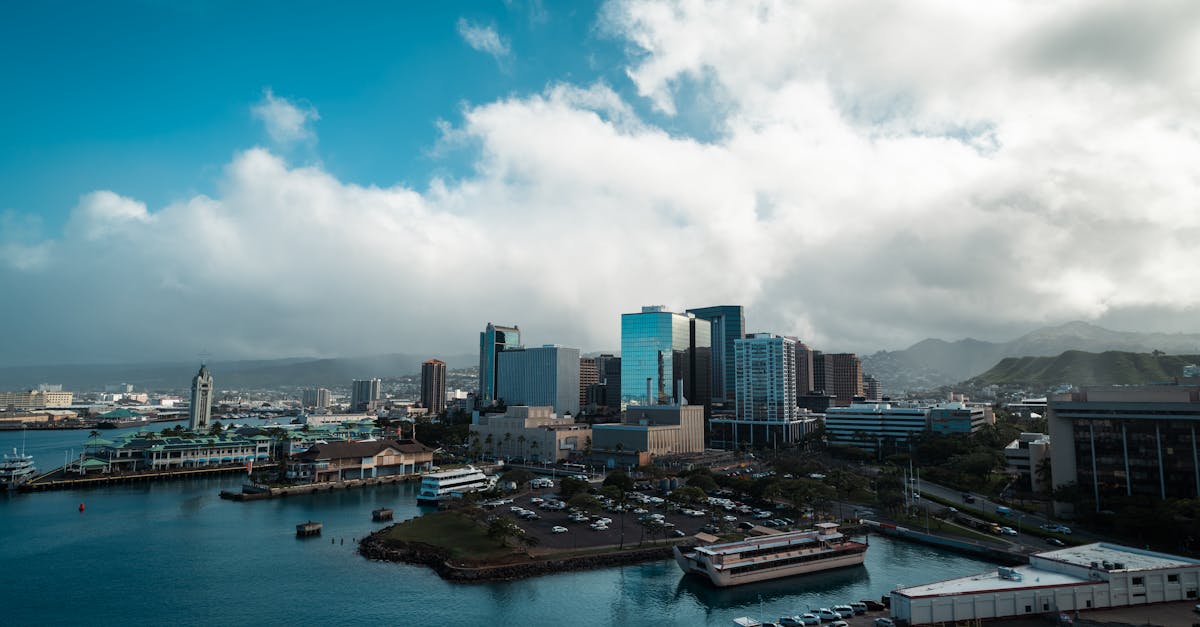
Businesses Face Increased Financial Risk from Untested Disaster Plans Post-Kona Storms
Recent severe weather incidents across Hawaii have underscored a critical vulnerability for local businesses: inadequate financial preparedness for natural disasters. The extended power outages and flood damage experienced during the latest Kona low systems reveal that many organizations have not sufficiently updated their disaster recovery protocols or secured adequate financial safeguards. This oversight now places them at heightened risk of substantial financial losses, prolonged operational downtime, and diminished capacity for recovery should similar events occur.
The imperative is clear: businesses must proactively reassess their disaster preparedness and financial recovery strategies. This isn't merely about securing physical assets but ensuring the financial resilience to withstand and rebound from inevitable disruptive events. Delaying these reviews means accepting elevated financial exposure.
Who's Affected
-
Small Business Operators (e.g., restaurants, retail shops, service providers): Without updated disaster plans, businesses face uninsured property damage, loss of inventory, prolonged revenue interruption, and increased costs for temporary relocation or repairs. Reliance on single suppliers or single operational locations exacerbates these risks.
-
Real Estate Owners (e.g., property owners, developers, landlords): Unforeseen repair costs exceeding insurance deductibles, potential loss of rental income during extended vacancies, and delays in development projects due to infrastructure damage can severely impact property value and cash flow. Failure to secure adequate builder's risk insurance or flood insurance for new developments could lead to catastrophic financial burdens.
-
Tourism Operators (e.g., hotels, tour companies, vacation rentals): Service disruptions, forced closures, and the inability to accommodate guests can lead to mass cancellations, severe reputational damage, and a loss of future bookings. Inadequate business interruption insurance means lost revenue during periods when properties are non-operational.
-
Healthcare Providers (e.g., private practices, clinics, medical device companies): Power outages can cripple essential equipment, leading to patient care disruptions and the spoilage of sensitive materials. IT system failures can compromise patient records and billing operations. Without robust backup power and data redundancy, recovery can be extremely costly and time-consuming, impacting both patient safety and revenue.
-
Agriculture & Food Producers (e.g., farmers, ranchers, food processors): Crops can be lost to flooding and high winds, infrastructure like irrigation systems and processing facilities can be damaged, and supply chain disruptions can prevent products from reaching markets. Inadequate flood control measures on farmland or damage to cold storage facilities can result in total loss of produce, impacting food security and economic stability.
Second-Order Effects
When businesses suffer significant disaster-related losses and prolonged downtime, the economic ripples are felt throughout the islands. A widespread inability to recover quickly can lead to:
- Increased Unemployment: Businesses that cannot sustain operations may be forced to lay off staff, increasing the unemployment rate and placing further strain on social services.
- Supply Chain Disruptions: Local producers unable to operate impact raw material availability for other island businesses, potentially leading to increased import reliance and higher costs for consumers.
- Reduced Tax Revenue: Lower business profits and closures mean less tax revenue for state and county governments, impacting funding for public services and infrastructure repair.
- Decreased Foreign Investment: A perception of high business vulnerability to natural disasters may deter outside investment, hindering long-term economic growth.
What to Do
Act Now: Businesses must treat disaster preparedness and financial recovery planning with the same urgency as regulatory compliance or tax obligations. The immediate goal is to identify and mitigate potential financial shortfalls arising from future severe weather events. A comprehensive review should be completed within the next 30 days.
Action Details:
-
Small Business Operators: Conduct an immediate inventory of critical assets, supplies, and operational dependencies. Review current insurance policies to identify coverage gaps for business interruption, property damage, and loss of revenue. Consult with an insurance broker to obtain quotes for enhanced coverage. Develop a tiered response plan for varying levels of disruption, including temporary operational sites and remote work capabilities if applicable. Document all assets and potential losses with photographic or video evidence to expedite insurance claims. If current insurance coverage is deemed insufficient, initiate the process for obtaining supplemental policies before May 15, 2026, to avoid facing uninsured losses in the event of another storm.
-
Real Estate Owners: Verify that all properties are covered by adequate flood, wind, and property damage insurance, including sufficient deductibles and coverage limits reflective of current construction costs. For landlords, review lease agreements to ensure tenant responsibilities for minor damages are clear and that business interruption clauses accurately reflect potential tenant losses. Assess structural integrity of properties and implement preventative measures against wind and water damage where feasible. Before June 1, 2026, consult with your insurance provider and property manager to confirm that insurance policies will cover the full cost of potential repairs or rebuilding in today's market.
-
Tourism Operators: Audit business interruption insurance policies to ensure they cover not only physical closure but also significant drops in occupancy or bookings due to adverse weather or related infrastructure failures. Develop contingency plans for guest relocation during property damage, including pre-arranged relationships with other local accommodations. Invest in redundant IT systems for booking and customer management, with secure offsite data backups. By May 25, 2026, ensure all critical operational systems have tested backup power solutions and that insurance policies adequately cover lost revenue scenarios stemming from weather-related disruptions.
-
Healthcare Providers: Perform a thorough assessment of backup power systems for critical medical equipment and IT infrastructure, ensuring they meet or exceed required operational durations. Review data backup and disaster recovery protocols for electronic health records (EHRs) and other sensitive patient information. Secure contracts with disaster recovery service providers for essential functions. Within 30 days, confirm that all critical medical and IT equipment can operate independently of grid power for at least 72 hours and that EHR data is backed up daily to a secure, offsite location.
-
Agriculture & Food Producers: Evaluate the vulnerability of crops, livestock, and farm infrastructure to specific weather risks (flooding, high winds, drought). Invest in protective measures such as improved drainage, windbreaks, and secure storage facilities. Diversify crop types and planting schedules to mitigate the impact of localized crop failure. Secure agreements with alternative transportation and distribution partners to ensure supply chain continuity. By May 30, 2026, implement a minimum of two new physical or operational resilience measures to reduce vulnerability to prevalent weather threats.