Central Mexico Produce Sourcing Disruptions Signal Potential Cost Increases for Hawaii Food Businesses
Major U.S. retailers and restaurants have begun to shun produce sourced from central Mexico due to concerns over a widespread cyclosporiasis outbreak. This shift, highlighted by former U.S. Food and Drug Administration Commissioner Scott Gottlieb, indicates a potential for supply chain disruptions that could affect ingredient availability and costs for businesses in Hawaii.
The Change
Following an expanding outbreak of cyclosporiasis in the United States, several large retail chains and restaurant groups have voluntarily stopped sourcing produce from a specific region in central Mexico. This decision is driven by concerns that the produce may be contaminated with the parasite Cyclospora cayetanensis. While no specific advisories have been issued by the FDA for Hawaii, the actions of these major buyers signal a broader market response to food safety concerns. The timeline for these sourcing changes is immediate, as retailers aim to mitigate consumer risk. The duration of this disruption remains uncertain and depends on the resolution of the contamination issue and any subsequent regulatory actions.
Who's Affected
Small Business Operators (Restaurants, Cafes, Grocery Stores)
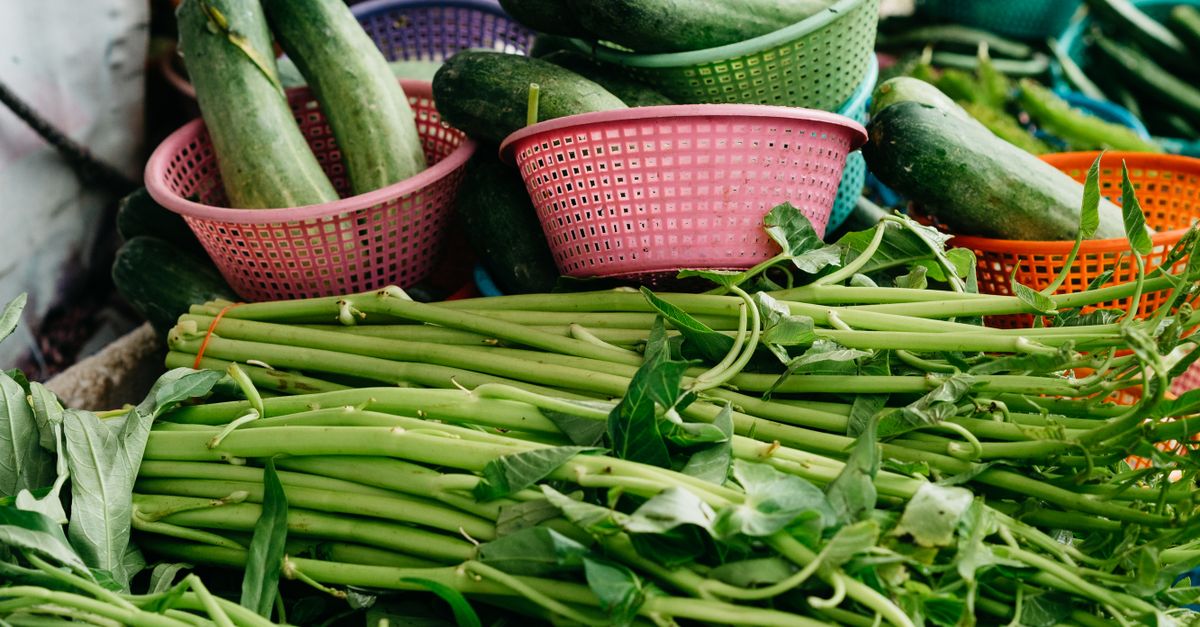
Businesses that rely on fresh produce, particularly those with menus featuring ingredients commonly sourced from Mexico—such as berries, leafy greens, tomatoes, and peppers—face direct impacts. The primary concern is a potential increase in ingredient costs if alternative suppliers charge more. There is also a risk of temporary shortages or the need to alter menus if specific affected items become unavailable or prohibitively expensive. For businesses operating on thin margins, even a small increase in food costs of 5-10% can significantly impact profitability. This situation necessitates a proactive review of current supplier relationships and ingredient sourcing strategies.
Tourism Operators (Hotels, Resorts, Event Venues)
While not directly purchasing produce in bulk for resale, hotels, resorts, and event venues that operate their own kitchens are vulnerable. Any increase in the cost of fresh ingredients will likely translate to higher food and beverage costs for these establishments. This can strain operating budgets and potentially lead to price adjustments for diners, impacting the overall value proposition for tourists. Ensuring consistent menu quality and availability becomes a challenge if preferred produce items are affected by supply disruptions.
Agriculture & Food Producers (Local Farms, Food Distributors)
Hawaii's local agriculture and food production sector could see a mixed impact. On one hand, a reduced supply of imported produce might create opportunities for local farmers to fill gaps, potentially leading to increased demand for their products. However, local producers who rely on imported inputs, such as specific fertilizers or packaging materials that might also be affected by broader trade or logistical issues stemming from such food safety concerns, could face their own cost pressures. Food distributors play a crucial role in assessing and communicating these supply chain shifts to their retail and food service clients.
Second-Order Effects
Disruptions in the supply of fresh produce from central Mexico can trigger a cascade of effects within Hawaii's isolated economy. A reduction in the availability of certain fruits and vegetables could lead to increased demand for local alternatives, potentially straining the capacity of Hawaii's own agricultural sector. If local supply cannot meet this elevated demand, businesses may turn to other international sources, potentially incurring higher shipping costs and longer lead times. This could contribute to overall inflation in food prices, impacting consumer spending and the cost of living for residents and visitors alike. Furthermore, any rise in food costs could pressure wages in the food service industry as businesses try to maintain profitability, creating a ripple effect on labor costs and potentially exacerbating existing staffing challenges for small businesses.
What to Do
Small Business Operators
Begin immediately assessing current inventory and planned menu items. Reach out to your primary produce suppliers to inquire about potential impacts from the central Mexico sourcing changes. If specific items are at risk, identify alternative suppliers, including local farms and distributors specializing in different sourcing regions (e.g., California, other parts of Mexico). Obtain quotes from these alternatives to compare pricing and availability. Consider slight menu adjustments to feature more readily available ingredients or to incorporate local produce.
Tourism Operators
Engage with your food and beverage directors and procurement managers. Review current contracts and relationships with food distributors. Understand their exposure to produce sourced from central Mexico and their contingency plans. Explore diversifying the menu or highlighting dishes that rely less on potentially affected produce categories. Monitor food cost percentages closely over the next 30-60 days.
Agriculture & Food Producers
If you produce fruits or vegetables potentially affected by a shift away from Mexican imports (e.g., tomatoes, berries, certain greens), assess your current production capacity and market demand. Communicate proactively with your distribution partners about your ability to absorb increased demand. Monitor local market prices for produce in competitive categories.