


The Change
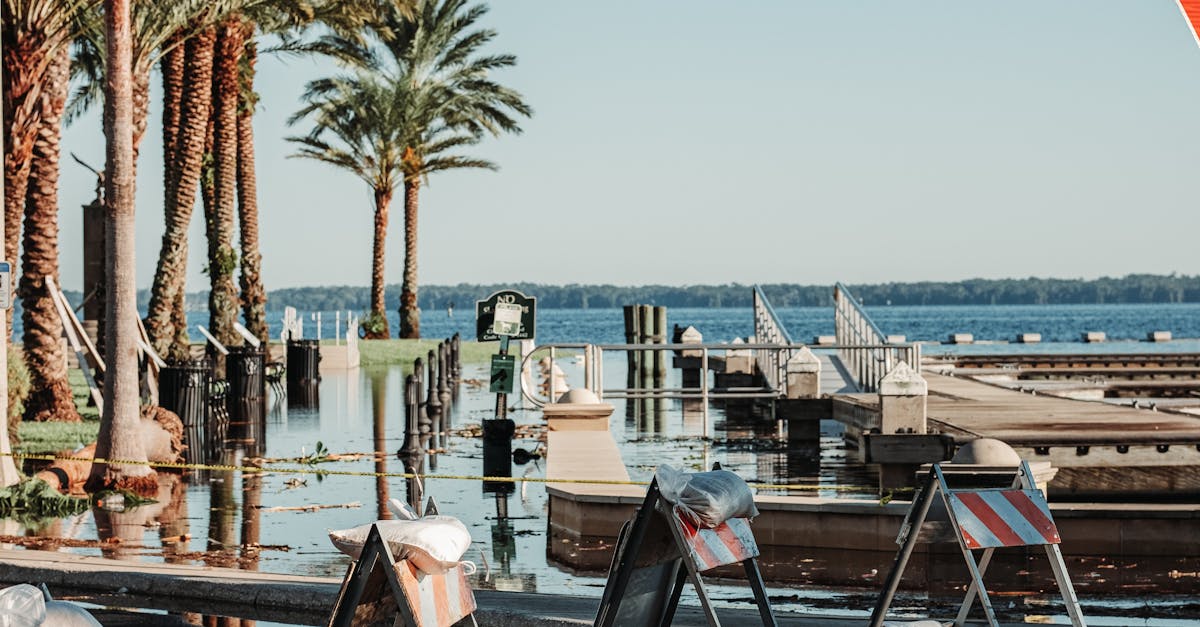
A recent survey by the University of Hawaiʻi Economic Research Organization (UHERO) indicates a strong and growing public consensus among Hawaiʻi residents regarding the immediate and future impacts of sea level rise. A significant majority believe sea level rise is already affecting the state and anticipate major disruptions within their lifetimes. Crucially, this heightened awareness is translating into widespread support for substantial changes in development patterns, including where and how construction occurs.
While the survey does not detail specific policy proposals, this robust public backing for adaptation measures creates fertile ground for future regulatory action. Local governments are likely to face increasing pressure to implement stricter zoning, updated building codes, and potentially moratoriums on new development in vulnerable coastal areas. The survey also highlights public uncertainty surrounding the financing of large-scale adaptation efforts, suggesting that any future policies will need clear and equitable funding mechanisms.
Who's Affected
Real Estate Owners
Property owners, developers, and managers with coastal holdings should anticipate a more challenging development and permitting environment. Increased public concern for sea level rise risks will likely lead to enhanced environmental reviews, stricter building code requirements (e.g., higher elevation mandates, flood-resistant materials), and potentially new zoning overlays that restrict development in high-risk inundation zones. This could translate into longer permitting timelines and increased construction costs. Landlords with properties in flood-prone areas may need to consider long-term adaptation strategies, such as retrofitting or eventual relocation, and could face pressure to disclose climate-related risks more transparently.
Investors
Investors in Hawaiʻi's real estate market, particularly those with exposure to coastal properties or tourism infrastructure, need to re-evaluate long-term risk assessments. The shift in public opinion suggests a heightened probability of regulatory interventions that could diminish property values or limit future development potential in vulnerable areas. This sentiment may also influence the economic viability of projects requiring long-term returns. Conversely, it may spur investment opportunities in climate adaptation technologies, resilient infrastructure, and businesses focused on sustainable development practices.
Entrepreneurs & Startups
For entrepreneurs and startups, the growing awareness and support for sea level rise adaptation present both challenges and opportunities. While new regulations could add compliance burdens for businesses operating in or impacting coastal zones, it also opens avenues for innovation. Companies developing solutions for coastal resilience, flood mitigation, water management, renewable energy, or climate-informed urban planning could find a more receptive market and potential for public-private partnerships.
Second-Order Effects
Sustained public demand for stricter coastal development controls could lead to a significant reshaping of Hawaiʻi's built environment over the next decade. If new regulations restrict development in desirable, low-lying coastal areas, it could exacerbate existing housing shortages and drive up demand and prices for properties in less vulnerable, higher-elevation locations. This could, in turn, increase commuting pressures and strain inland infrastructure, while also potentially displacing lower-income residents who cannot afford higher housing costs or longer commutes.
What to Do
Real Estate Owners
Watch: Monitor county and state planning department agendas and public hearing notices for any proposed changes to zoning ordinances, building codes, or coastal management policies. Pay close attention to community feedback sessions and the formation of any task forces addressing sea level rise adaptation.
Triggers for Action: If specific proposals emerge that would restrict development in your area (e.g., new setback requirements, elevation mandates, density restrictions) or significantly increase compliance costs, begin immediate consultations with legal counsel and planning consultants to understand the full impact and explore compliance strategies. Consider engaging with advocacy groups to provide input during the public comment periods.
Investors
Watch: Track demographic shifts and property market trends in high-risk coastal zones versus inland or higher-elevation areas. Monitor announcements from major developers regarding their long-term investment strategies and any pivot towards climate-resilient projects. Keep an eye on emerging sectors related to climate adaptation and disaster preparedness.
Triggers for Action: If local governments begin implementing significant new permitting requirements or development moratoria in coastal zones, reassess the long-term viability and risk profile of existing coastal real estate holdings. Diversify investment portfolios to include companies or projects focused on climate resilience, adaptive infrastructure, or sectors less exposed to direct climate impacts.
Entrepreneurs & Startups
Watch: Follow innovation hubs and government initiatives focused on climate resilience, sustainability, and disaster preparedness. Identify emerging needs for technologies and services that address coastal erosion, flooding, saltwater intrusion, and resilient infrastructure.
Triggers for Action: If opportunities arise for pilot projects, grants, or public-private partnerships related to sea level rise adaptation, actively pursue them. Develop or refine business models that offer scalable solutions to the challenges highlighted by increasing climate concern and potential regulatory responses.


