


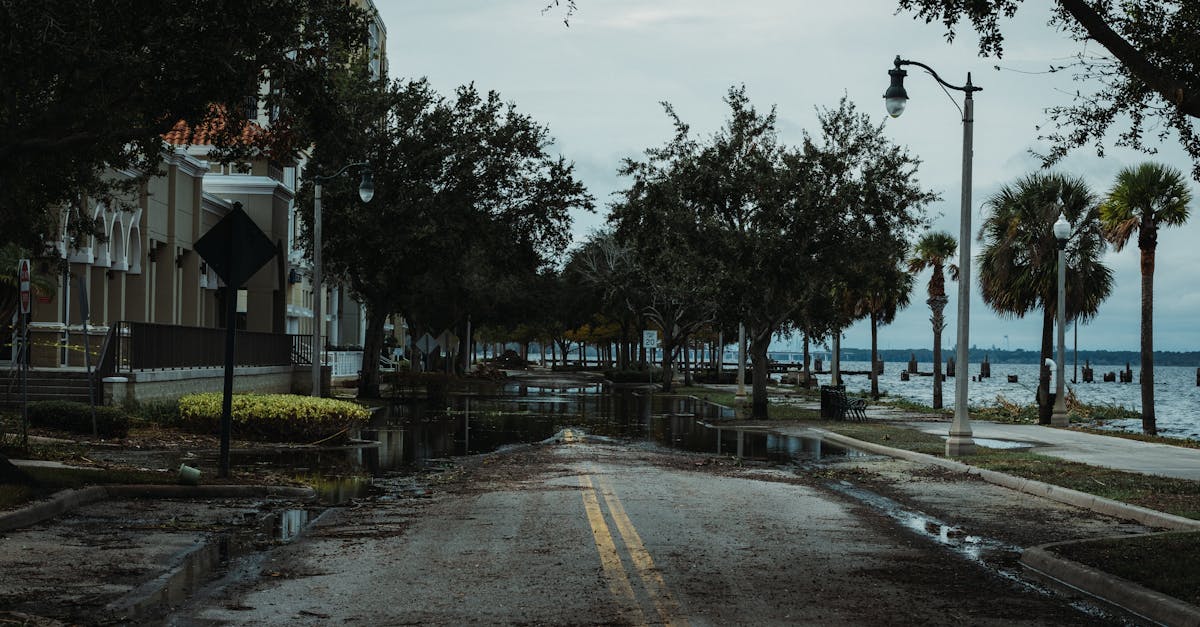
Coastal Flooding Threatens Immediate Disruptions for South Shore Businesses and Tourism Operations
Dangerous ocean conditions and the threat of coastal flooding are impacting Hawaii's south-facing shores today, necessitating immediate action from businesses operating in these vulnerable areas. While the high surf warning has been downgraded to an advisory by the National Weather Service, the risk of inundation, property damage, and operational halts remains acute for waterfront businesses and tourism-dependent enterprises.
The Change
The National Weather Service has issued a High Surf Advisory for south-facing shores across the Hawaiian Islands, effective through the remainder of the day on June 16, 2026. This advisory indicates that surf heights will be significant enough to create hazardous conditions and poses a substantial risk of coastal flooding, especially during high tide. Officials are emphasizing that even with the downgrade from a warning, the ocean remains dangerous, and areas prone to inundation should be approached with extreme caution. This means that elevated surf will continue to push water further inland than usual, impacting beaches, roadways, and low-lying coastal developments.
Who's Affected
Tourism Operators
Hotels, resorts, tour companies, and vacation rental establishments situated on or near south-facing coastlines are at immediate risk. Expect potential cancellations from guests concerned about beach access and safety. Some beach-front facilities, such as outdoor dining areas or pool decks, may need to be temporarily closed to ensure guest safety. Tour operations relying on beach activities or coastal access may face cancellations or modifications. The overall visitor experience can be negatively impacted, potentially leading to a dip in immediate bookings and increased customer service demands to manage expectations.
Real Estate Owners
Property owners, developers, and managers with real estate along south-facing shores face risks of direct physical damage from wave inundation and subsequent flooding. This can include damage to landscaping, seawalls, foundations, and ground-level structures. Beyond physical damage, properties may become temporarily inaccessible, impacting rental income and property management operations. Insurance claims processes can add further administrative burden and delay recovery. For properties in the development pipeline, delays due to unsafe working conditions or permitting holds related to emergency declarations are possible.
Small Business Operators
Restaurants, retail shops, and service businesses located in coastal zones, particularly those with outdoor seating or easy beach access, are vulnerable to direct impacts. Eventual closures due to flooding or access restrictions are a strong possibility. Coastal roads critical for supply chain access could also be compromised, leading to delays or inability to receive inventory or serve customers. The immediate loss of revenue due to closures or reduced foot traffic can be significant, especially if extended beyond a single day.
Investors
Investors with portfolios including coastal properties or businesses in tourism-dependent sectors should anticipate short-term negative impacts on revenue and property valuations. The frequency and severity of such weather events can influence long-term investment decisions regarding coastal real estate and businesses. Those focused on short-term gains may see an immediate reduction in returns from affected businesses.
Second-Order Effects
Imminent coastal flooding can disrupt critical transportation routes, delaying the delivery of goods to businesses across multiple sectors, from restaurants to retail. This interruption in the supply chain, combined with potential temporary closures, can lead to immediate revenue loss for small businesses and impact the overall visitor experience for tourism operators. Furthermore, repeated or severe flooding events can increase insurance premiums for coastal properties, indirectly influencing rental rates and the cost of goods and services for consumers, thereby raising the cost of doing business in Hawaii.
What to Do
Tourism Operators:
- Assess and Communicate: Immediately assess the risk to your specific property and amenities. Communicate proactively with guests about potential impacts, cancellations, and revised offerings. Prioritize guest safety by closing any at-risk areas.
- Review Contingency Plans: Activate any existing emergency or weather-related operational contingency plans. This includes staff communication protocols and temporary closure procedures.
- Monitor Advisories: Stay updated on National Weather Service advisories and local emergency management agency updates. Be prepared to implement your plans as conditions evolve.
Real Estate Owners:
- Secure Property: Take immediate steps to secure your property against wave action and potential flooding. This may include deploying temporary barriers, moving valuable assets from lower levels, and ensuring drainage systems are clear.
- Insurance Review: Contact your insurance provider to understand your coverage for flood and storm damage. Document the current condition of your property before potential damage occurs with photos and videos.
- Access Assessment: Plan for potential temporary inaccessibility. Communicate with tenants regarding expected conditions and any necessary safety precautions.
Small Business Operators:
- Flood Preparedness: Implement immediate flood preparedness measures, such as sandbagging, securing outdoor equipment, and elevating inventory if you are in a low-lying area.
- Supply Chain Check: Verify the status of your supply chain. Communicate with your suppliers and distributors about potential delays and explore alternative sourcing or delivery routes if feasible.
- Operational Adjustments: Be prepared to temporarily close operations if conditions become unsafe or access is restricted. Have a plan for communicating closures to customers via social media and other channels.
Investors:
- Portfolio Review: Review your holdings in physically vulnerable coastal areas. Assess the insurance coverage and disaster preparedness plans of businesses within your portfolio.
- Risk Mitigation: Consider the long-term implications of increasing weather event frequency on asset values and operational continuity in your investment strategy.
This advisory is in effect for today, June 16, 2026. Be prepared for conditions to persist and monitor official updates closely for any changes.


