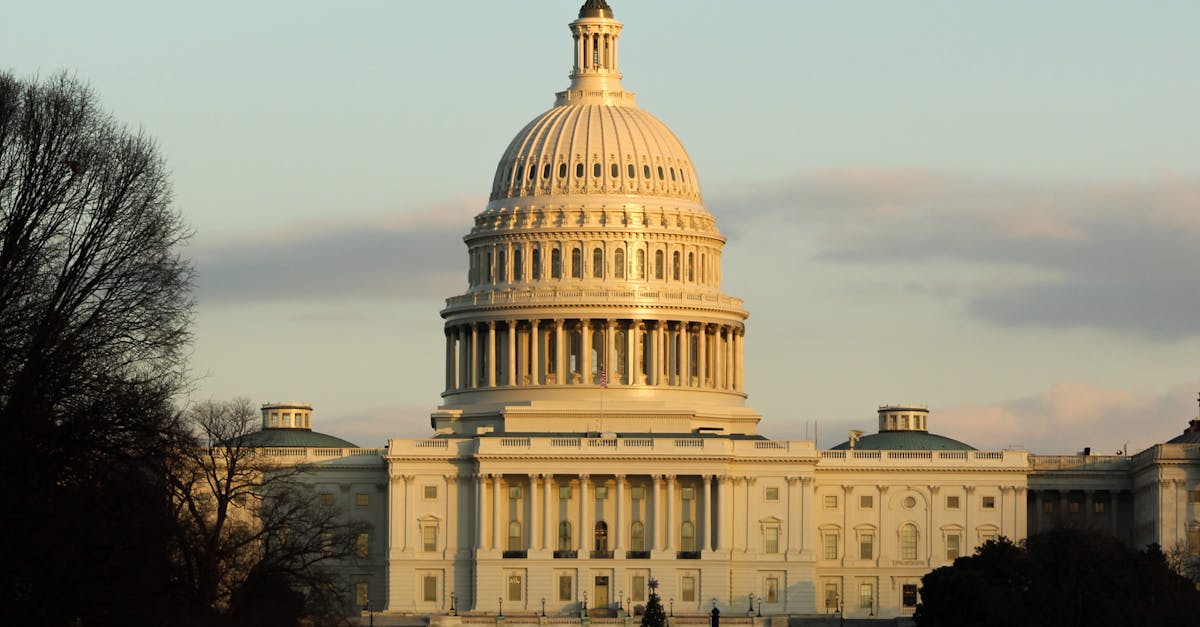
Congressional Gridlock Increases Volatility for Federal Policy Impacts
Recent political realignments have reduced the House Republican majority to its narrowest point, creating a precarious legislative environment. With a majority of just 218 seats, the chamber is highly susceptible to gridlock and the potential for sudden, unexpected policy shifts driven by small factions. This instability directly translates to increased uncertainty for businesses reliant on or subject to federal funding, regulations, and economic policies.
Who's Affected
- Small Business Operators: Any business depending on federal grants, loans, or stimulus programs will face increased uncertainty in program continuity and funding levels. Regulatory enforcement on areas like labor, environmental standards, or food safety could also become unpredictable, impacting compliance costs.
- Real Estate Owners: Federal infrastructure funding initiatives, housing policy shifts, or changes in tax incentives for development could be stalled or altered. This creates a less predictable environment for long-term real estate investments and development projects.
- Investors: Market volatility and capital investment decisions are heavily influenced by regulatory stability and predictable economic policy. The current congressional climate introduces a higher risk factor, potentially slowing down investment or shifting focus to less policy-sensitive sectors.
- Entrepreneurs & Startups: Access to federal funding, such as Small Business Innovation Research (SBIR) grants or venture capital influenced by federal economic policy, could become more erratic. Scaling plans may need to account for unpredictable shifts in government support or market conditions.
- Agriculture & Food Producers: Federal agricultural subsidies, disaster relief programs, export-promotion initiatives, and environmental regulations are subject to potential delays or abrupt changes. This uncertainty impacts farm profitability and long-term planning.
- Healthcare Providers: Federal healthcare spending, Medicare/Medicaid reimbursement rates, pharmaceutical regulations, and telehealth policies are all subject to the whims of a narrowly divided Congress. This can affect operational budgets and strategic planning for clinics and private practices.
Second-Order Effects
Legislative gridlock in Washington D.C. can trigger a chain reaction within Hawaii's uniquely constrained economy. For instance, delays or uncertainty in federal infrastructure funding could slow down the development of critical utilities, impacting the operational capacity of businesses across all sectors. This, in turn, could lead to higher utility costs or infrastructure bottlenecks, affecting supply chains and consumer prices. Furthermore, unpredictable economic policy from the federal level can dampen investor confidence in Hawaii, a market already perceived as high-risk due to its remoteness, further restricting capital available for local business expansion and innovation.
What to Do
Given the "WATCH" action level, businesses should focus on enhanced monitoring and building greater operational resilience rather than making immediate changes.
- Small Business Operators: Increase your buffer for operating expenses and review supply chain diversification. Monitor federal agency announcements for changes in grant availability or regulatory enforcement priorities.
- Real Estate Owners: Pay close attention to proposals affecting zoning, housing subsidies, or infrastructure development at both federal and state levels. Factor potential delays into project timelines.
- Investors: Diversify portfolios to mitigate risk from sector-specific federal policy changes. Focus analysis on companies with strong balance sheets less reliant on direct federal funding.
- Entrepreneurs & Startups: Develop contingency plans for funding rounds that may be delayed or reduced. Explore private funding options and maintain close contact with federal agencies relevant to your sector for any updates.
- Agriculture & Food Producers: Stay informed about potential changes to federal crop insurance, subsidy programs, and international trade agreements. Secure key inputs where possible to mitigate supply chain disruptions.
- Healthcare Providers: Monitor federal budgets for healthcare spending and proposed regulatory changes. Ensure billing and administrative processes are robust enough to handle potential shifts in reimbursement rates or guidelines.
Action Details: Begin actively monitoring federal legislative proceedings for bills impacting your sector and track public comment periods from relevant federal agencies like the Small Business Administration (SBA), Department of Agriculture (USDA), and Department of Health and Human Services (HHS). Develop contingency plans for potential disruptions in federal funding or regulatory changes, aiming to build operational and financial resilience over the next 6-12 months.


