


Airline Consolidation Signals Potential Service Shifts: Watch Your Logistics and Access
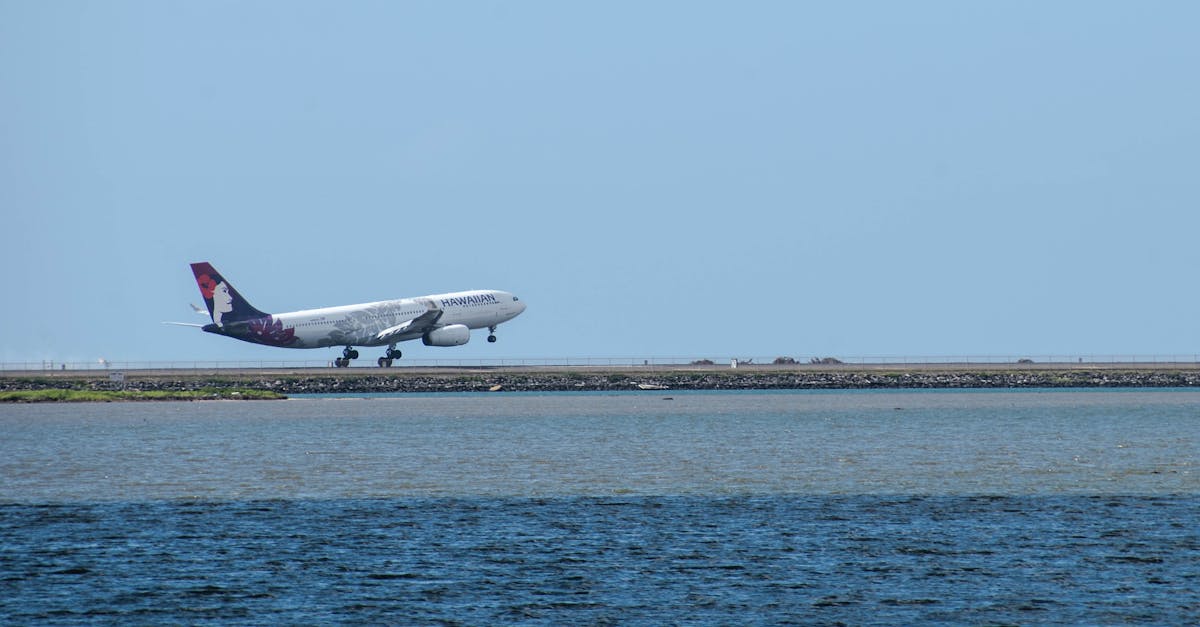
The recent absorption of Hawaiian Airlines into a larger, external airline entity marks the end of an era for Hawaii's independent aviation landscape. This consolidation means all airlines serving Hawaii, from interisland routes to transpacific flights, are now under the operational control of non-Hawaiian-based corporations. The primary consequence for businesses is a potential shift in service prioritization, route network optimization, and fare structures, necessitating a proactive monitoring approach to ensure operational continuity and competitive access.
The Change
The definitive absorption of Hawaiian Airlines, once the state's primary carrier with a deep local identity, by a larger mainland-based operator represents the final step in the complete consolidation of Hawaii's airline sector. Previous independent carriers such as Aloha Airlines, Mahalo Air, and Aloha Island Air had ceased operations years prior. This leaves Hawaii with no locally headquartered or independently operated airlines. The transition, effective May 10, 2026, means that decisions regarding routes, pricing, fleet allocation, and service levels for flights originating from, terminating in, or transiting through Hawaii will be made by entities headquartered outside the state. This structural change fundamentally alters the competitive dynamics and operational considerations for businesses reliant on air transport.
Who's Affected
Tourism Operators Visitor numbers and access are directly tied to airline capacity and route availability. A consolidated airline may adjust its strategy, potentially reducing flight frequency on less profitable routes or reallocating aircraft to higher-demand mainland markets. This could lead to fewer direct flight options, longer layovers, or increased travel costs for tourists, directly impacting bookings and revenue for hotels, tour operators, and other hospitality businesses. The reduction in competitive pressure could also remove incentives for price reductions.
Small Business Operators Many small businesses, particularly those in retail, service, and specialized manufacturing, rely on timely and cost-effective air cargo for inventory, supplies, and equipment. With a single dominant carrier, there is a risk of reduced cargo capacity, increased freight rates, or less flexibility in shipping schedules. This could significantly disrupt supply chains, increase operating costs, and potentially lead to stockouts or delayed customer fulfillment.
Investors For investors, the consolidation presents a shift in the risk profile of the Hawaii aviation sector. The loss of local operator independence means investment decisions must now account for the strategic priorities of external parent companies. This could influence capital allocation for Hawaii-specific infrastructure or service enhancements. Investors should assess the consolidated airline's long-term commitment to the Hawaii market and its ability to maintain vital connectivity amidst evolving travel trends and economic conditions.
Agriculture & Food Producers The viability of Hawaii's agricultural exports, particularly perishable goods, is heavily dependent on efficient and reliable air cargo services. A loss of competition could lead to higher air freight costs, making it more difficult for local farmers and food producers to compete in external markets. Furthermore, potential reductions in cargo flight frequencies could limit the volume and availability of export opportunities, impacting revenue streams and the growth of this sector.
Second-Order Effects
- Reduced Airline Competition → Potential for higher airfares and reduced direct flight options → Decreased tourism volume and increased travel costs for businesses.
- Consolidated Cargo Operations → Increased air freight costs for goods and supplies → Higher operating expenses for small businesses and reduced competitiveness for agriculture exports.
- Externalized Airline Decision-Making → Potential for reduced service prioritization for less profitable interisland or niche mainland routes → Impacted accessibility for remote workers and local businesses.
What to Do
Tourism Operators: Begin diversifying marketing efforts to attract visitors during potential shoulder seasons if flight availability tightens during peak times. Strengthen relationships with the consolidated airline's local representatives to stay informed of any route or schedule changes impacting key feeder markets. Explore partnerships with ground transportation providers to offer package deals that mitigate potential airfare increases.
Small Business Operators: Review current air cargo contracts and seek quotes from freight forwarders to understand pricing trends. Identify alternative logistics channels, such as ocean freight or multi-modal options, for less time-sensitive goods. Build closer relationships with suppliers to anticipate potential delays or cost increases.
Investors: Monitor the financial reports and strategic announcements of the parent airline group for any indications of shifts in focus away from the Hawaii market. Assess the competitive landscape of other transportation sectors that could be impacted by changes in air service.
Agriculture & Food Producers: Proactively engage with the consolidated airline's cargo division to secure preferential rates and space for existing export commitments. Explore opportunities to consolidate shipments with other producers to leverage volume discounts. Investigate potential new markets that may be less sensitive to higher transport costs or develop value-added products for the local market.


