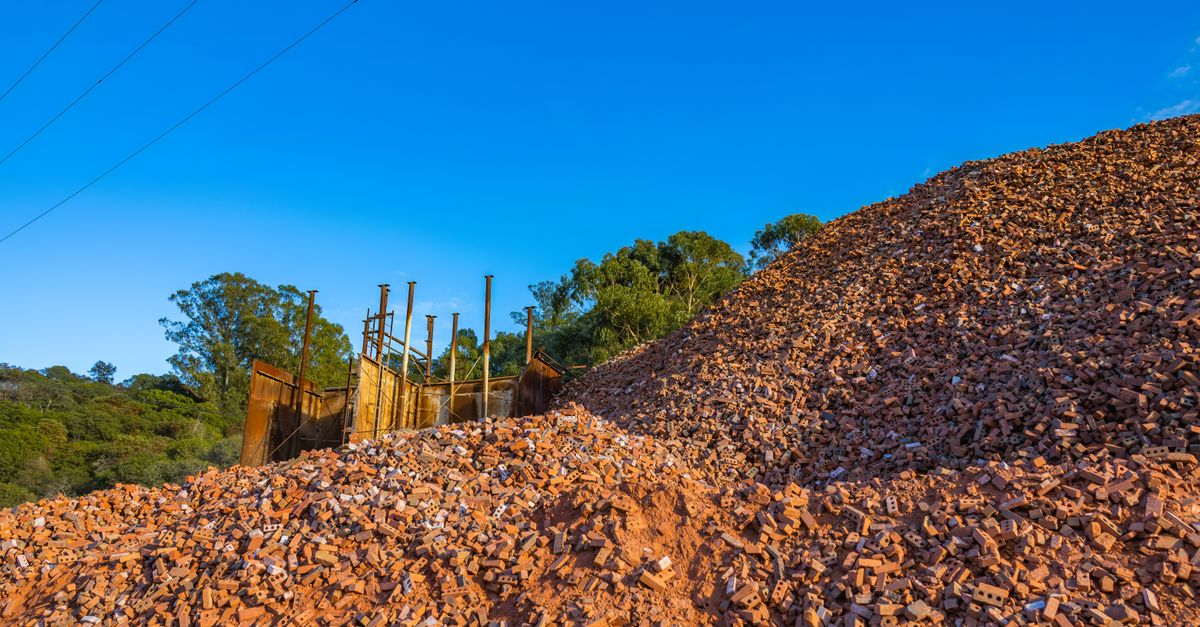
Landfill Capacity Crisis Imminent
The critical infrastructure supporting Oahu's development is nearing its breaking point. The island's municipal solid waste landfill is slated for closure in 2028, creating immediate pressure on remaining disposal sites. Compounding this, the dedicated construction and demolition (C&D) landfill has an estimated remaining capacity of only five to seven years. Development of a new landfill is not projected to be operational until 2033, leaving a significant gap in waste management capacity.
This impending crisis means that the cost and logistical challenges of disposing of construction and demolition debris will escalate dramatically. The limited life of the current C&D landfill suggests a sharp increase in tipping fees as capacity diminishes, and a limited range of disposal options for project managers. Construction and Demolition Waste Management Challenges in Hawaii reports have highlighted these existing challenges, which are now exacerbated by the accelerating timeline for landfill closures.
Who's Affected
Real Estate Owners & Developers
Projects currently underway or planned for the next 2-7 years will face the brunt of this impending crisis. As the C&D landfill approaches capacity, tipping fees are expected to rise substantially. Industry projections suggest these costs could increase by 15-30% within the next two years, directly impacting project budgets and potentially leading to significant delays if waste disposal logistics cannot be secured.
Furthermore, the prolonged timeline for a new landfill means that innovative waste diversion strategies will become not just environmentally preferable, but economically essential. Developers will need to actively explore and invest in on-site sorting, crushing, and recycling of C&D materials to mitigate rising disposal expenses. Property owners, particularly those managing multi-unit residential or commercial properties undergoing renovation, will also see increased costs associated with waste removal.
Entrepreneurs & Startups
This crisis presents a critical opportunity for entrepreneurs and startups focused on waste management, recycling, and sustainable construction solutions. Companies that can offer efficient C&D waste diversion services, material reuse platforms, or innovative recycling technologies will find a rapidly growing market. Demand for services that reduce landfill burden, such as concrete crushing for aggregate or wood recycling for biomass, is projected to surge.
However, startups in other sectors, particularly those with physical footprints or supply chains reliant on construction, will face increased operational costs. Higher material and disposal expenses could squeeze margins or necessitate price adjustments, potentially impacting competitiveness and scaling efforts.
Investors
Investors in Hawaii's real estate and development sectors must carefully assess the waste management component of project feasibility. The increased cost and potential scarcity of C&D waste disposal options present a significant risk factor for new developments and large-scale renovations. Projects with longer construction timelines are particularly vulnerable to escalating disposal fees over the coming years.
Conversely, this situation creates a fertile ground for investment in waste management and circular economy businesses. Venture capital and private equity firms should consider companies specializing in C&D waste reduction, recycling infrastructure, and sustainable building materials as potentially high-growth opportunities within the Hawaiian market. Monitoring policy shifts and technological advancements in waste diversion will be key to identifying these emerging sectors.
Second-Order Effects
The narrowing window of landfill capacity on Oahu will not only increase direct waste disposal costs but also trigger a cascade of economic impacts. A significant increase in C&D waste disposal fees will directly inflate overall construction costs, potentially slowing the pace of new development and renovation projects. This slowdown, in turn, could reduce demand for labor in the construction sector, impacting wages and employment opportunities. Furthermore, the higher cost of materials and construction could be passed on to consumers through increased housing prices and rental rates, exacerbating existing affordability challenges. The need for robust recycling and diversion infrastructure may also necessitate new public-private partnerships or increased local government investment, potentially impacting tax revenues or requiring allocation of funds from other services.
What to Do
Real Estate Owners & Developers:
Action: Proactively secure waste hauling contracts and explore on-site recycling and material reuse options for all projects planned within the next five years. Begin budgeting for a potential 15-30% increase in waste disposal costs starting in 2026-2027.
- Contract Review & Negotiation: Immediately review existing waste hauling contracts to understand expiration dates and renewal terms. Engage with multiple waste management providers to solicit bids and negotiate multi-year contracts to lock in current rates as much as possible. Prioritize vendors with demonstrated diversion programs.
- On-Site Diversion Planning: For new projects and major renovations, incorporate on-site waste sorting and material processing (e.g., concrete crushing for aggregate, wood chipping) into the project plan from the design phase. This may require dedicated space on-site and investment in mobile recycling equipment or partnerships with specialized recyclers.
- Budgetary Adjustments: Update project pro formas to reflect projected increases in tipping fees and costs associated with implementing diversion strategies. Factor in potential delays related to waste disposal capacity.
- Explore Alternative Materials: Investigate the use of recycled content materials in new construction and renovations where feasible to indirectly reduce future waste generation.
Entrepreneurs & Startups:
Action: Develop and scale services focused on C&D waste diversion, recycling, material reuse, and sustainable construction solutions. Target contracts with developers and property management firms.
- Service Development: Refine business models for efficient collection, sorting, processing, and resale/reuse of construction debris. Focus on high-volume materials like concrete, asphalt, wood, and metals.
- Partnership Building: Forge strategic alliances with general contractors, developers, and demolition firms to integrate your services into their project workflows.
- Technology Adoption: Invest in or develop technologies that enhance sorting efficiency, material quality, or tracking and reporting for waste diversion metrics.
- Market Penetration: Actively market your services to the construction industry, highlighting cost savings and environmental benefits. Explore opportunities for government grants or incentives related to waste reduction.
Investors:
Action: Evaluate the impact of rising waste disposal costs on real estate development ROI, and identify investment opportunities in the waste management and circular economy sectors.
- Due Diligence Enhancement: Incorporate a thorough analysis of waste management plans and associated costs into the due diligence process for real estate development investments. Assess the risk of cost overruns and delays due to landfill capacity limitations.
- Sector Focus: Identify and research companies specializing in C&D waste diversion, advanced recycling, and the production of building materials from recycled content. These sectors are poised for significant growth.
- Risk Mitigation: Consider structuring investments in development projects to include contingency funds for unexpected increases in disposal fees or the need for specialized waste management solutions.
- Policy Monitoring: Stay informed about evolving local and state regulations regarding waste management and recycling, as these will shape future market opportunities and risks.