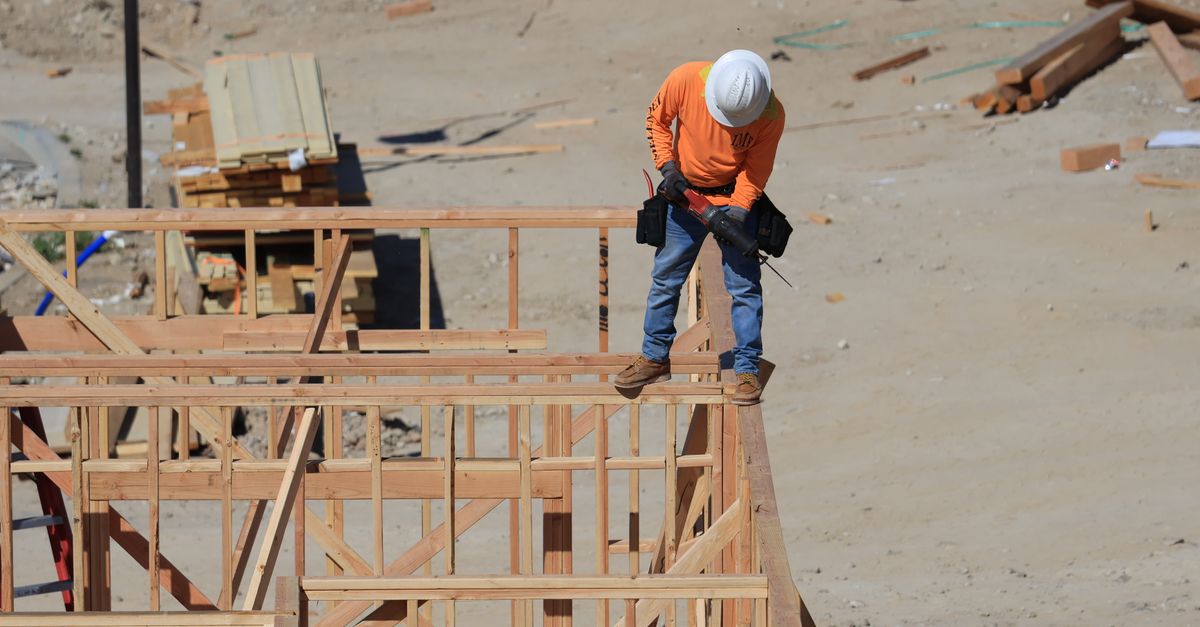
Construction Workforce Shortage Solutions Signal Potential Policy Shifts Impacting Development and Labor
Executive Brief
A prominent local contractor's call for increased housing and immigrant labor highlights critical long-term challenges in Hawaii's construction sector. While immediate action isn't required, these proposed solutions could influence future policy and industry investment. Small business operators and real estate owners should monitor labor trends and associated costs.
- Real Estate Owners: Potential shifts in housing policy and labor availability could impact development timelines and costs.
- Entrepreneurs & Startups: A more stable construction workforce could ease scaling for businesses reliant on new infrastructure.
- Investors: Emerging focus on housing and labor solutions may present new investment opportunities.
- Small Business Operators: Long-term labor costs and availability could be affected by proposed policy changes.
- Action: Watch for legislative proposals and industry initiatives related to housing and immigration for workforce development.
The Change
Nan Chul Shin, founder of Nan Inc., a major general contractor in Hawaii, has publicly identified a critical need for increased housing availability and the strategic integration of immigrant labor as key solutions to Hawaii's persistent construction workforce shortage. This perspective, shared by a significant industry player, suggests a potential future direction for addressing labor deficits that have plagued the state. While no immediate policy changes have been enacted based on these statements, the articulation of these solutions by a contractor with deep experience in Hawaii's development landscape indicates areas where future legislative and industry focus may converge. The ongoing shortage of skilled labor continues to impact project timelines and costs across the state, creating a critical need for sustainable solutions.
Who's Affected
Real Estate Owners and Developers
The construction workforce shortage directly impacts the pace and cost of new development. If solutions involving increased housing (potentially for workers themselves) or more streamlined labor import processes gain traction, developers could see improved project feasibility and reduced pre-construction lead times. Conversely, if these solutions fail to materialize, ongoing labor scarcity will continue to inflate construction costs and extend project completion dates, potentially affecting property values and rental rates due to supply constraints.
Entrepreneurs & Startups
Businesses, particularly those requiring physical expansion or new facilities, are vulnerable to construction delays and escalating costs. A stabilized and potentially growing construction workforce could alleviate these pressures, enabling startups to scale more predictably. Access to a larger pool of skilled tradespeople could also reduce the cost of necessary infrastructure and facility build-outs, freeing up capital for core business operations.
Investors
Investors looking at Hawaii's real estate and development sectors should note that workforce availability is a significant risk factor. Nan Shin's emphasis on housing and labor suggests that companies and policies focused on these areas may present future opportunities. Attention should be paid to any emerging private or public initiatives that aim to attract and retain construction talent, as these could lead to more predictable investment returns in the development sector.
Small Business Operators
While not directly employing construction workers, small businesses are indirectly affected by the broader economic impacts of the workforce shortage. High construction costs can translate to higher commercial rents and operational expenses. Furthermore, a constrained labor market in construction can create upward pressure on wages across all sectors as the overall demand for labor remains high. Any policy shifts addressing construction labor could have ripple effects on the broader labor market and the cost of doing business.
Second-Order Effects
Addressing Hawaii's construction labor shortage through increased housing availability could lead to greater availability of skilled tradespeople. This, in turn, could decrease construction project timelines and costs. A reduction in project costs and timelines might then enable more diverse development, potentially including more affordable housing or commercial spaces, which could slightly alleviate inflationary pressures on commercial rents. However, a significant influx of construction labor, if not matched by corresponding infrastructure or housing growth, could also strain existing resources and increase demand on utilities and services.
What to Do
Given the long-term nature of workforce development and housing solutions, no immediate action is mandated. However, stakeholders should adopt a watchful stance:
Real Estate Owners and Developers
Monitor legislative discussions and industry associations for proposals related to immigration reform for skilled trades, workforce training programs, and housing initiatives specifically aimed at attracting or retaining construction professionals. Be prepared to adjust project timelines and budget projections based on evolving labor market conditions.
Entrepreneurs & Startups
Stay informed about trends in construction costs and labor availability. If significant initiatives emerge that promise to stabilize or increase the construction workforce, factor this into future expansion plans and capital expenditure forecasts.
Investors
Track the progress of any public or private sector efforts to address the construction labor shortage through housing or immigration policies. Investments in companies or projects that are well-positioned to benefit from these potential solutions, or that demonstrate resilience to labor market fluctuations, may offer a more favorable risk-reward profile.
Small Business Operators
Keep abreast of broader labor market trends in Hawaii. While direct impacts may be delayed, significant shifts in construction labor availability could eventually influence wage pressures and the cost of goods and services within the state. Building flexibility into pricing models and supply chain management will remain crucial.