The Change
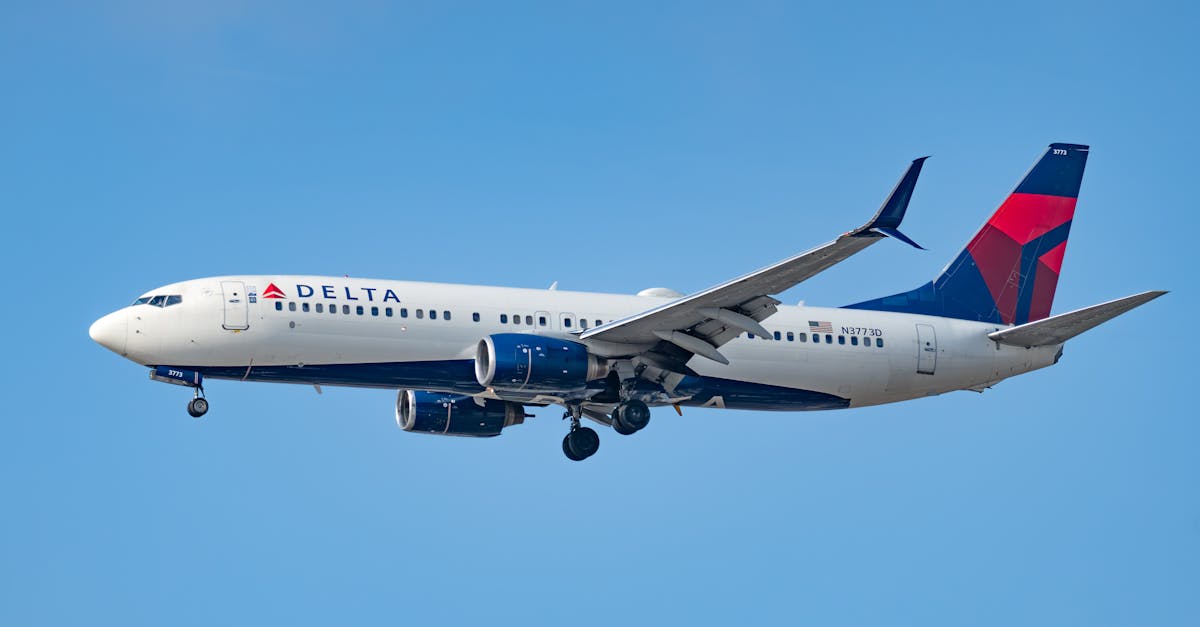
Delta Airlines has announced a substantial expansion of its flight services to the Hawaiian Islands. This expansion includes the addition of new routes and an increase in frequency on existing ones, with the full rollout slated for late 2026. While specific route details are still emerging, the overall commitment signifies a strategic move to capture a larger share of the trans-Pacific travel market to Hawai'i.
This development is particularly notable given the ongoing recovery of the tourism sector and its critical role in the state's economy. The increased airlift is expected to influence travel patterns and potentially drive higher visitor volumes to all major Hawaiian islands.
Who's Affected
Tourism Operators Hotels, tour operators, vacation rental managers, and other hospitality businesses can anticipate a potential surge in visitor arrivals by late 2026. This increased capacity could lead to higher occupancy rates and improved revenue streams. However, it also necessitates proactive planning for staffing levels, supply chain management, and service capacity to meet a potentially larger influx of tourists. Airlines serving as a primary gateway to the islands, like Delta, directly influence the volume this sector can expect.
Small Business Operators Local restaurants, retail shops, and service providers, especially those in tourist-heavy areas, should prepare for increased demand. This expansion by Delta may translate to higher foot traffic and greater sales opportunities. However, businesses will need to ensure adequate inventory, staffing, and operational hours to capitalize on the potential increase in customer volume. There could also be downstream effects on local prices for goods and services due to increased demand.
Real Estate Owners Property owners, developers, and landlords may see shifts in demand for various real estate segments. For owners of short-term rentals, an increase in airlift could bolster booking rates. Developers in tourist-centric regions might explore new opportunities, though they should factor in the longer lead times for construction and permitting. Long-term rental markets could also experience indirect impacts due to increased population and demand.
Investors Investors in the tourism, hospitality, and related real estate sectors should pay close attention to Delta's expansion. This move could signal a positive outlook for the Hawaiian tourism market, potentially creating new investment opportunities in businesses that directly or indirectly benefit from increased visitor traffic. However, it also signals a more competitive landscape, requiring careful due diligence on business models and market positioning.
Second-Order Effects
Increased airline capacity and potentially higher visitor numbers will place additional strain on Hawaii's already limited infrastructure and resources. This could lead to higher demand for ground transportation, increased traffic congestion, and greater pressure on local utilities and services. Furthermore, a sustained rise in tourism fueled by expanded airlift can exacerbate the existing housing shortage, potentially driving up rental costs for local residents and impacting the labor pool available for the tourism sector itself, leading to higher wage pressures for service industry jobs.
What to Do
As Delta's expanded routes are set for late 2026, the immediate action required is Watch. Businesses should proactively monitor several key indicators leading up to the launch and beyond.
For Tourism Operators, monitor airline booking trends and occupancy forecasts for late 2026 and 2027. If forward bookings show a sustained increase of 10% or more compared to current projections, begin phased increases in staffing and review supply chain contracts. For Small Business Operators, track visitor arrival statistics and adjust inventory orders and staffing schedules if arrival numbers indicate a consistent upward trend beyond normal seasonal fluctuations. Real Estate Owners should observe short-term rental vacancy rates and tourism-related commercial leasing activity. A sustained drop in vacancy rates below 5% could signal a need to review pricing strategies. Investors should track the financial performance of major tourism and hospitality companies operating in Hawai'i.
The primary trigger for more direct action will be consistent, verifiable data indicating sustained growth in visitor arrivals driven by this new capacity, beyond typical recovery patterns. Specifically, if visitor arrivals outpace projections by more than 7% in the six months preceding the late 2026 launch, consider updating operational plans and marketing strategies.


