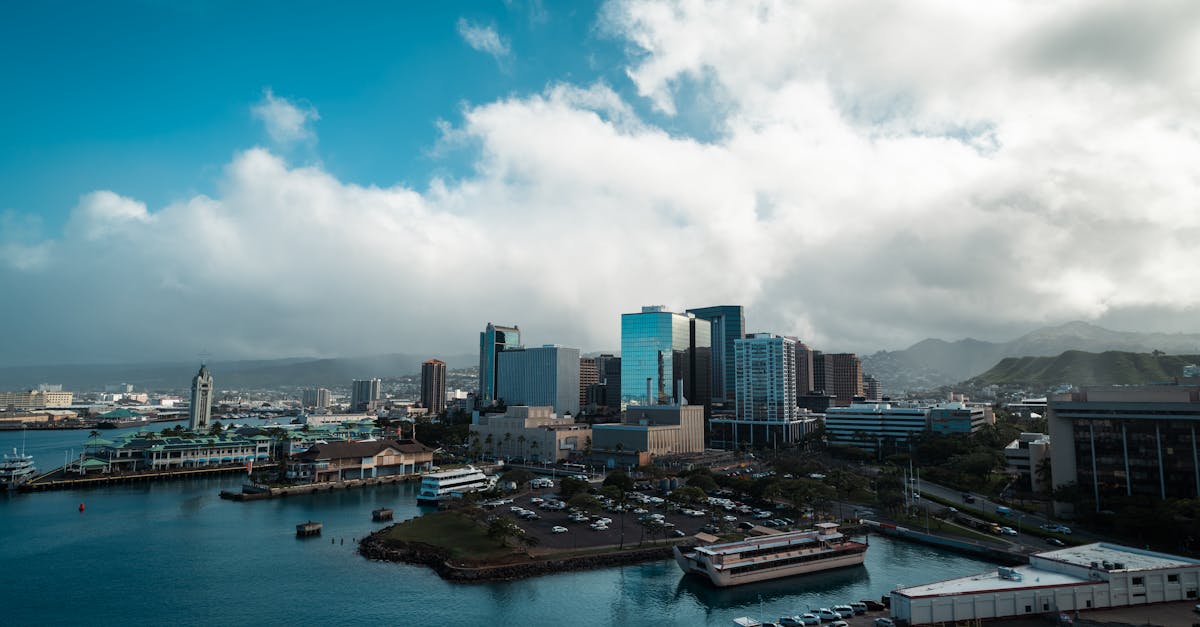
Disruptions and Property Risks Loom as Powerful Kona Storm Approaches Hawaii This Week
A powerful Kona storm is poised to impact the Hawaiian Islands beginning Tuesday, March 10, and is expected to persist through the weekend. Forecasters predict heavy rainfall, strong south winds, potential lightning, and a significant risk of flooding. This event poses substantial operational and financial risks to businesses across all sectors, requiring immediate attention to preparedness and mitigation strategies.
The Change
The primary change is the imminent arrival of a strong Kona storm system, characterized by heavy precipitation and gusty south winds. Unlike typical trade winds, Kona winds blow from the west or southwest, often bringing more intense rain, particularly to windward areas, and increasing the likelihood of flash flooding and landslides. The storm's duration, potentially lasting through the weekend, magnifies the impact on daily operations and business continuity.
This weather system necessitates a proactive approach to disaster preparedness, moving beyond routine maintenance and into active risk mitigation.
Who's Affected?
Small Business Operators (small-operator)
Businesses, especially those in low-lying or flood-prone areas, face immediate threats. Expected impacts include:
- Operational Halts: Heavy rain and flooding can make travel to work impossible for staff and impassable for customers, leading to closures for the duration of the storm and potentially longer if infrastructure is damaged.
- Supply Chain Disruptions: Road closures, port delays, and potential damage to transportation networks can interrupt the delivery of goods and services.
- Property Damage: Wind damage to roofs, signage, and outdoor assets, as well as water damage from flooding, can incur significant repair costs and downtime.
- Staffing Challenges: Employees may be unable to travel to work due to unsafe conditions or personal property damage.
Real Estate Owners (real-estate)
Property owners, landlords, and developers must assess and mitigate risks to their assets.
- Flood Damage: Properties in flood zones are at high risk for water damage to interiors, foundations, and electrical systems. Costs for cleanup and repair can be substantial.
- Wind Damage: High winds can damage roofing, windows, and structural elements, particularly for older properties or those with exposed features.
- Rental Income Loss: Businesses and residents may be forced to vacate damaged properties temporarily, leading to lost rental income.
- Insurance Claims: While insurance can cover some losses, the process can be lengthy, and deductibles must be met.
Tourism Operators (tourism-operator)
Hospitality businesses, including hotels, tour operators, and vacation rental managers, are particularly vulnerable to weather-related cancellations and disruptions.
- Cancellations and Rebookings: Expect a surge in requests for cancellations and rebookings as visitors alter or postpone travel plans.
- Operational Challenges: Reduced staffing due to travel difficulties, potential power outages, and damage to tour vehicles or facilities can impact service delivery.
- Reduced Visitor Numbers: Even after the storm passes, damaged infrastructure or lingering hazardous conditions can deter new visitors for some time.
- Impact on Activities: Outdoor tours, beach activities, and other visitor experiences will likely be suspended.
Agriculture & Food Producers (agriculture)
Farms, ranches, and food production facilities are susceptible to widespread damage from heavy precipitation and high winds.
- Crop Damage: Extensive rainfall can lead to waterlogging, soil erosion, and direct damage to crops. Harvesting may become impossible.
- Livestock Welfare: Animals may be at risk from flooding, strong winds, and lack of shelter.
- Infrastructure Damage: Barns, irrigation systems, fences, and other agricultural infrastructure can be compromised by high winds and flooding.
- Transportation Bottlenecks: Difficulty in transporting produce to markets due to road closures will impact sales and freshness.
Second-Order Effects
This approaching storm is not an isolated event but a trigger for broader economic impacts given Hawaii's unique geographic constraints.
- Disrupted Shipments → Reduced Inventory → Higher Local Prices: Delays in essential goods arriving by sea and air due to storm conditions will tighten local inventory. This scarcity, combined with increased demand for certain goods (e.g., storm supplies), will inevitably drive up prices for consumers and businesses alike.
- Property Damage → Insurance Rate Hikes → Increased Operating Costs: Widespread damage claims from this storm could lead to increased insurance premiums for businesses and property owners across the islands in the subsequent policy renewals. This raises the cost of doing business and owning property.
- Business Closures → Reduced Local Spending → Economic Slowdown: Temporary or prolonged business closures due to storm damage or lack of access will lead to reduced local spending on goods and services, impacting the broader economy.
What to Do
Given the high urgency and short timeframe, immediate action is critical. Businesses should activate their emergency preparedness plans without delay.
Small Business Operators (small-operator)
- Secure Premises: Board up windows, reinforce doors, and secure outdoor signage and equipment. Move inventory and valuable equipment away from potential flood zones or ground floors.
- Staff Communication: Communicate emergency procedures to staff. Confirm contact information and establish clear protocols for working during and after the storm, including closure decisions.
- Inventory & Supplies: Secure or move perishable inventory to safer, climate-controlled locations. Stock essential operational supplies (e.g., flashlights, batteries, first-aid kits) if supplies can be obtained before conditions deteriorate.
- Review Insurance: Understand your business interruption and property damage insurance coverage. Document existing conditions of your property with photos/videos before the storm.
Real Estate Owners (real-estate)
- Property Assessment: Conduct a pre-storm assessment of vulnerable areas, especially ground floors and any structures in floodplains or coastal zones.
- Tenant Communication: Notify tenants of the impending storm and advise them on preparedness measures for their units. Ensure they have emergency contact information.
- Secure Common Areas: Clear outdoor common areas of any loose items that could become projectiles. Ensure drainage systems are clear to prevent water buildup.
- Emergency Repairs: Have contact information for emergency repair services (plumbers, electricians, roofers) readily available, though immediate post-storm repairs may be challenging.
Tourism Operators (tourism-operator)
- Guest Communication: Proactively inform guests booked during the storm period about potential disruptions. Offer flexible cancellation or rebooking policies.
- Operation Adjustments: Prepare for potential cancellations of tours and activities. Adjust staffing schedules based on anticipated reduced demand and potential travel difficulties for employees.
- Secure Assets: Secure outdoor equipment, furniture, and any vehicles that could be affected by high winds or flooding.
- Monitor Travel Advisories: Stay updated on airline and inter-island ferry schedules, as well as any official advisories or evacuation orders.
Agriculture & Food Producers (agriculture)
- Protect Crops: Implement any available measures to protect crops from heavy rain and wind, such as reinforcing covers or harvesting vulnerable crops if time permits.
- Secure Livestock: Ensure livestock are moved to safe, sheltered areas. Secure feed and water supplies.
- Inspect Infrastructure: Check and reinforce barns, greenhouses, fences, and irrigation systems.
- Harvest Planning: Assess which crops may need to be harvested immediately if possible, and prepare for potential delays in transporting any harvested goods.
Action Details: All impacted roles should enact their emergency preparedness plans immediately. Prioritize securing physical assets, communicating with staff and customers, and mitigating risks of property damage and operational downtime before the Kona storm makes landfall on Tuesday, March 10. Failure to act now risks significant financial losses and prolonged disruption.