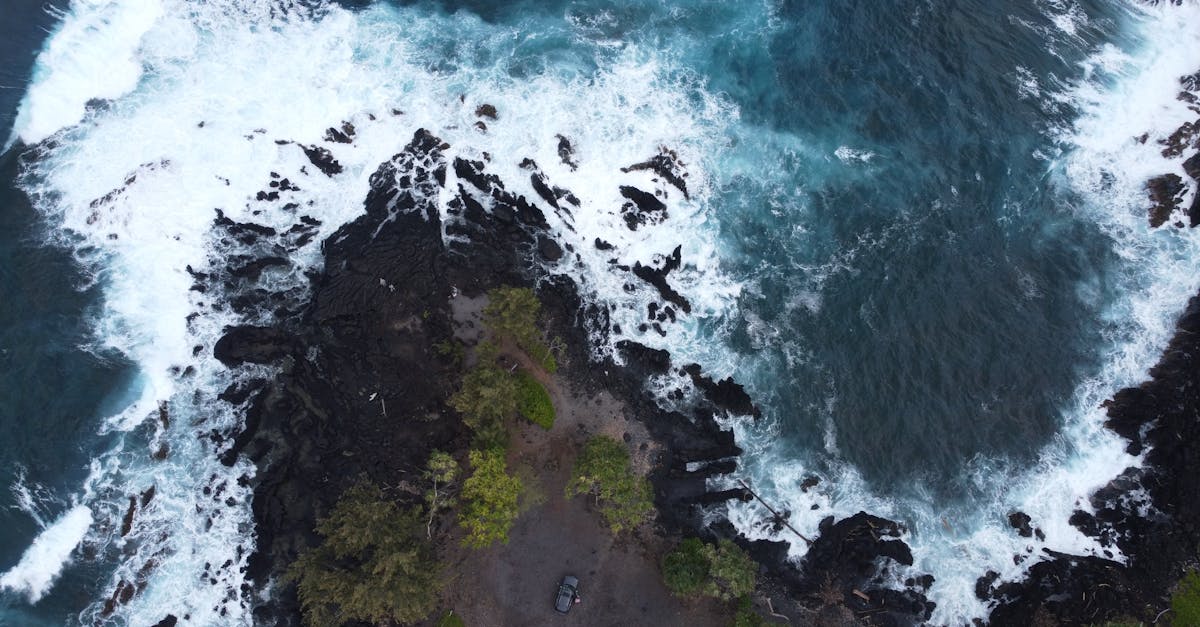
Elevated Surf Conditions May Impact Maui Ocean Tour Operations
What You Need to Know: Large to extra-large surf is forecast for Maui from January 31st and into the first week of February, with a potential for another swell early next week. This persistent elevated surf pattern can disrupt scheduled ocean-based activities, leading to cancellations and impacting the experience of visitors and the revenue of tourism operators.
The Change
Maui is experiencing a prolonged period of large to extra-large surf, beginning January 31, 2026, and expected to continue through the first week of February. This is attributed to a complex storm system located far northwest of Hawaii, generating significant wave energy. Further elevated surf is anticipated early the following week as conditions persist.
Who's Affected
Tourism Operators (Hotels, Tour Companies, Hospitality Businesses)
Ocean-dependent tour operators, including boat tours, snorkeling excursions, and surf lessons, face the highest risk. Consistently large surf can make conditions unsafe or unpleasant for participants, leading to:
- Activity Cancellations: Operators may need to cancel tours due to safety concerns or high surf, directly impacting revenue for that booking.
- Customer Dissatisfaction: Last-minute cancellations or rescheduling can lead to frustration and negative reviews, potentially impacting future bookings.
- Operational Adjustments: Companies may need to divert resources to rebooking efforts, customer service, and alternative land-based activities, increasing operational strain.
- Supply Chain: While not the primary impact, a sustained period of rough seas could affect the delivery of supplies to island-based operations requiring marine transport.
Second-Order Effects
- Disrupted Visitor Experience → Reduced Word-of-Mouth: Cancellations and poor weather can lead to less positive visitor experiences, potentially reducing organic marketing through recommendations and social media.
- Increased Customer Service Load → Staff Strain: Rescheduling and managing customer expectations during periods of surf-related disruptions diverts staff time from other essential duties, potentially increasing burnout.
- Impacted Local Businesses: Restaurants and retail establishments that rely heavily on foot traffic from boat tour departures or return points may see a temporary dip in patronage.
What to Do
Tourism Operators:
- Monitor Forecasts Daily: Continuously check updated surf and marine weather forecasts from reliable sources such as the National Weather Service Honolulu.
- Review Cancellation Policies: Ensure your cancellation and rescheduling policies are clear, communicated upfront to customers, and adhere to ethical business practices.
- Proactive Communication: If cancellations are likely, inform customers as far in advance as possible. Offer flexible rescheduling options or appropriate alternatives.
- Contingency Planning: Develop backup plans for land-based activities or alternative excursions that can be offered when ocean conditions are prohibitive.
Action Details: Monitor daily surf forecast updates for Maui starting January 31st. If forecasts consistently indicate hazardous conditions (e.g., surf height exceeding safe operating limits specified by your insurance or permits) for more than 3 consecutive days, implement your pre-defined customer communication protocol for cancellations and rescheduling.


