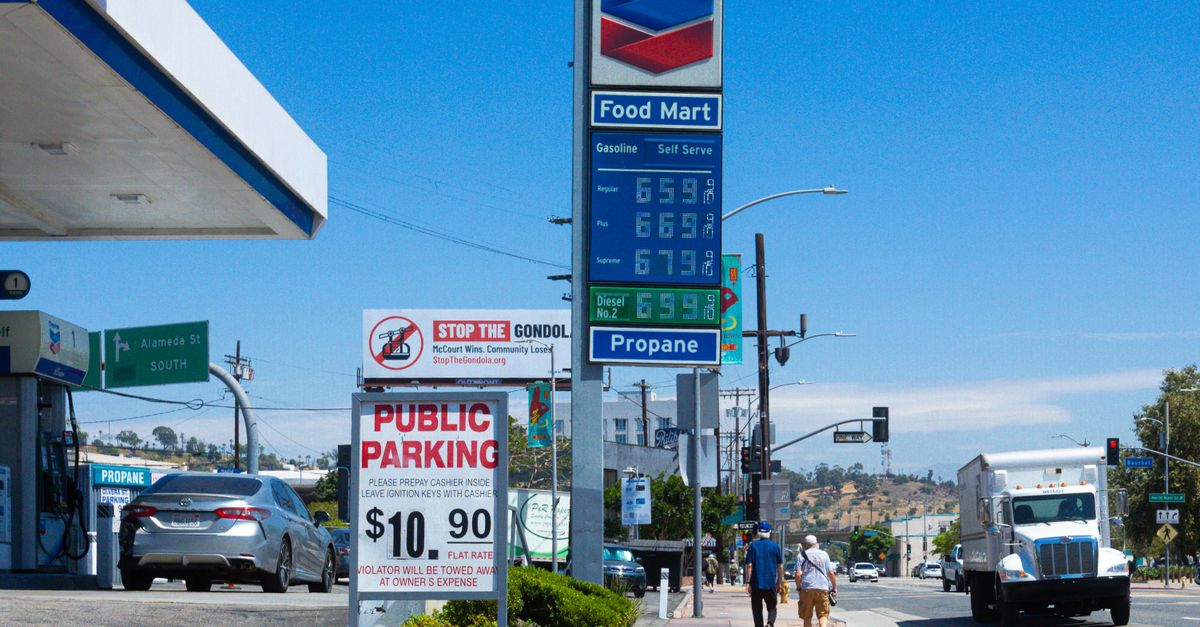
Falling Gas Prices Offer Marginal Relief on Hawaii Business Operating Costs
Recent data indicates a noticeable and sustained decrease in gasoline prices across Hawaii. While not a dramatic shift, this trend offers a welcome, albeit modest, reduction in transportation-related operating expenses for businesses throughout the islands. This development presents an opportunity to re-evaluate budgets and potentially allocate savings to other critical areas.
The Change
Gasoline prices across Hawaii have been trending downwards. Data compiled by AAA Hawaii shows a consistent dip in prices over the past few weeks, moving away from the significant spikes seen earlier.
For instance, regular unleaded gasoline prices have fallen from highs of over $5.00 per gallon to below $4.50 in many areas. This sustained decrease, influenced by global oil market dynamics and local supply factors, provides a tangible, though not transformative, benefit to consumers and businesses alike.
Who's Affected
Small Business Operators: Businesses heavily reliant on vehicle fleets for deliveries, services, or material transport, such as restaurants, florists, and local retail distributors, can expect a marginal decrease in their operational overhead. This could translate to savings of approximately 5-10% on fuel expenditures, depending on fleet size and usage. While not enough to significantly alter pricing strategies, it offers some breathing room. For businesses with leased vehicles, the impact may be less direct but could influence future lease renewal costs.
Tourism Operators: Hotels, tour bus companies, and rental car agencies often factor fluctuating fuel costs into their pricing models. The current downward trend in gas prices may allow some operators to absorb minor cost increases in other areas, or to maintain current pricing for longer periods, potentially enhancing customer value. However, the impact on overall tourism competitiveness will likely be overshadowed by airfare and accommodation costs.
Agriculture & Food Producers: Farmers and ranchers utilizing fuel-intensive machinery for cultivation, harvesting, and transportation of goods to local markets or processing facilities will see a direct, albeit small, benefit. Reduced fuel costs for tractors, trucks, and irrigation pumps can marginally improve profit margins in an industry often characterized by tight margins. This could also indirectly reduce the cost of distributing local produce to restaurants and grocery stores.
Real Estate Owners: While property owners and developers do not directly consume large quantities of gasoline, they are affected indirectly. Property management companies that operate extensive maintenance fleets might see minor savings. More broadly, sustained lower fuel costs can contribute to a slightly lower overall cost of living, which could indirectly influence tenant demand or negotiation power in the long term. Significant impacts on construction costs from fuel price reduction are unlikely given the broader material and labor cost pressures.
Second-Order Effects
The sustained drop in gasoline prices, while beneficial, exists within Hawaii's unique economic context of high shipping costs and limited alternatives. The primary ripple effect is a marginal decrease in the