Federal Disaster Aid Deadline Looms: Up to 75% of Recovery Costs May Be Unrecoverable for Storm-Impacted Businesses
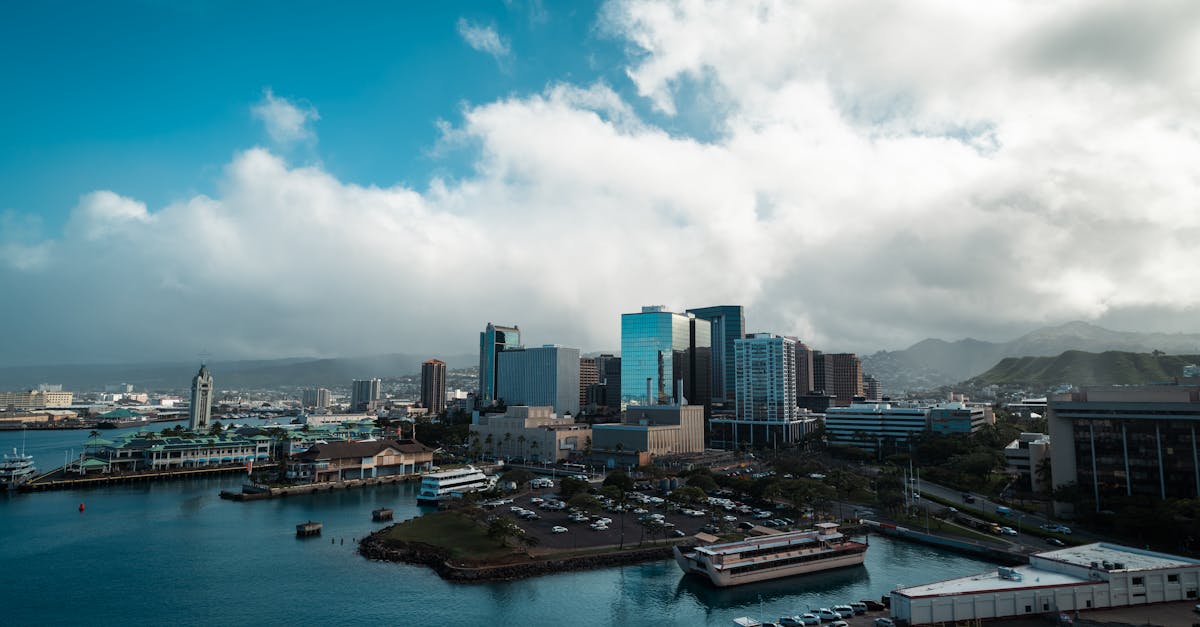
The window to secure crucial federal financial assistance for damages sustained during the March 2026 Kona Low storms is rapidly closing. Survivors in the City and County of Honolulu, as well as Hawaiʻi and Maui counties, have until June 14, 2026, to submit applications to the Federal Emergency Management Agency (FEMA) and the U.S. Small Business Administration (SBA). Federal aid can cover a substantial portion of eligible recovery expenses, potentially offsetting up to 75% of costs for businesses and individuals.
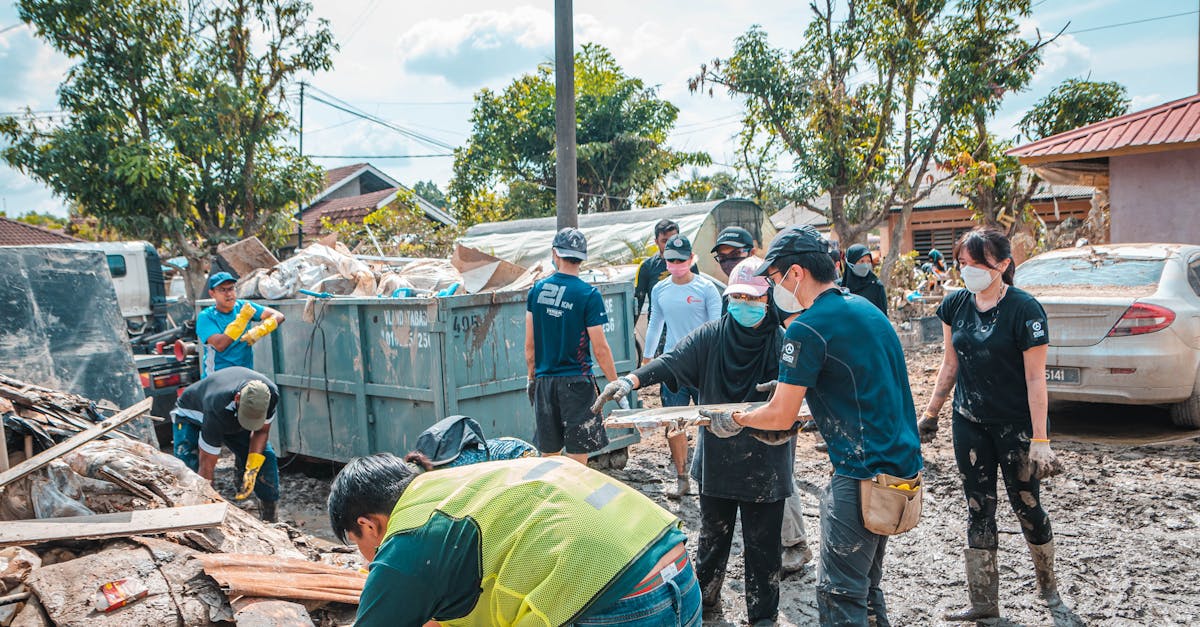
Local Recovery Centers, operated in partnership with state, local, and non-profit organizations, offer in-person support to guide applicants through the process. These centers provide a vital resource for navigating the complex application requirements and understanding the types of assistance available, which can include grants for property damage and low-interest loans for businesses.
Who's Affected
-
Small Business Operators: Businesses that suffered damage to physical property, inventory, or equipment due to the March Kona Low storms are directly impacted. Without federal assistance, owners may face out-of-pocket expenditures that could severely strain operating capital, potentially leading to reduced staff, inventory, or even closure. The SBA offers low-interest disaster loans to businesses of all sizes, while FEMA provides grants where SBA loans are not appropriate.
-
Real Estate Owners: Residential and commercial property owners who experienced flooding, structural damage, or other related issues are at risk. Failure to apply for FEMA and SBA aid by the deadline means foregoing opportunities to fund necessary repairs and rebuilding efforts. This could lead to prolonged vacancies, loss of rental income, and significant personal financial burden for repairs and mitigation.
-
Entrepreneurs & Startups: New ventures and growth-stage companies, often operating with leaner financial reserves, are particularly vulnerable. Damage to leased spaces, equipment, or essential infrastructure can halt operations entirely. The availability of FEMA grants and SBA loans is critical for these businesses to recover and continue their trajectory without seeking more expensive private funding.
Second-Order Effects
If a significant portion of affected businesses fail to secure federal aid due to the missed deadline, several cascading effects are likely:
- Delayed business reopenings and recovery → Reduced local economic activity → Lower tax revenues for counties.
- Increased reliance on private loans or personal funds for repairs → Potential for significant personal debt among small business owners and residents → Reduced consumer spending as individuals prioritize debt repayment.
- Permanent closure of businesses unable to recover → Loss of essential services and jobs → Increased unemployment claims and demand for social services.
What to Do
For Small Business Operators:
- Immediate Application: If your business sustained damage, proceed immediately to DisasterAssistance.gov to apply for FEMA assistance. This is the first step and often required before applying for SBA loans.
- SBA Loan Application: Simultaneously, or after filing with FEMA, apply for an SBA disaster loan at sba.gov/funding-programs/disaster-assistance. These loans offer favorable terms and can cover costs not fully met by FEMA grants.
- Visit a Recovery Center: Locate the nearest Local Recovery Center by checking FEMA's website for in-person assistance with your applications.
- Gather Documentation: Collect all relevant documentation, including photos of damage, repair estimates, insurance information, and business financial records, to expedite the application process.
For Real Estate Owners:
- Apply for FEMA Assistance: Property owners must apply for FEMA assistance via DisasterAssistance.gov to be considered for recovery funds, even if insured.
- SBA Property Loans: If you own income-producing property or a business property, apply for an SBA disaster loan for real estate at sba.gov/funding-programs/disaster-assistance.
- Insurance Coordination: Continue to work with your insurance provider. FEMA and SBA assistance cannot duplicate benefits received from insurance, but they can help cover unreimbursed eligible disaster-related expenses.
- Attend Recovery Centers: Utilize the in-person support at Local Recovery Centers to ensure your application is complete and accurate.
For Entrepreneurs & Startups:
- Prioritize FEMA Application: As an entrepreneur, your personal residence and business operations may both be eligible. Apply for FEMA assistance at DisasterAssistance.gov promptly.
- Explore SBA Loan Options: Even if you have existing business lines of credit, explore SBA disaster loans. They can provide essential liquidity for rebuilding and operational continuity at a lower cost than commercial loans.
- Seek Guidance at Recovery Centers: Leverage the expertise available at Local Recovery Centers. They can help clarify eligibility for grants versus loans and guide you on application specifics relevant to startups.
Action: All affected parties must complete their FEMA and SBA applications before the June 14, 2026 deadline. Missing this date will likely result in the forfeiture of significant federal and low-interest loan opportunities crucial for recovery.