Global Market Turmoil Impacts Hawaii Investment and Funding Landscape
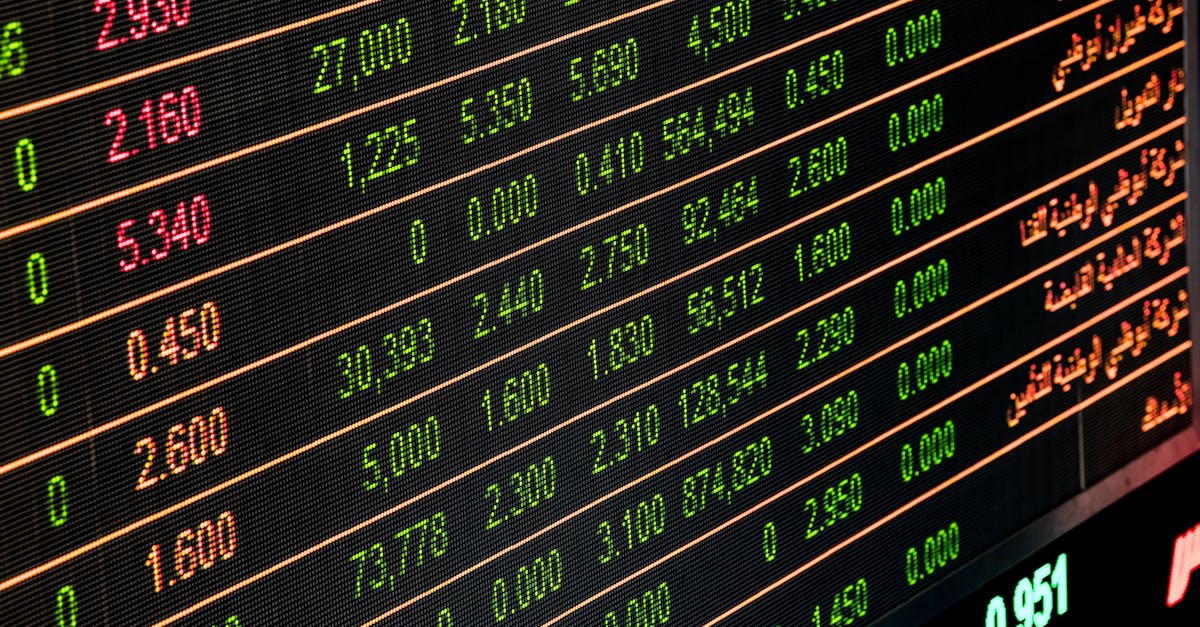
Recent geopolitical disputes, including tariff threats and international disagreements, have sparked significant global market volatility. This has led to widespread sell-offs on major stock exchanges, creating an environment of uncertainty that directly impacts investment portfolios and the availability and cost of capital for businesses, including those in Hawaii. While Hawaii's economy is distinct, its reliance on external markets for investment and trade means it is not immune to these global financial tremors.
Who's Affected
Investors (VCs, Angel Investors, Portfolio Managers, Real Estate Investors): Your investment portfolios are directly exposed to market fluctuations. A global sell-off can lead to a reduction in the value of stocks, bonds, and other managed assets. For real estate investors, while direct exposure might be less immediate, broader economic downturns fueled by geopolitical instability can dampen demand, slow property appreciation, and potentially affect financing availability. The current environment necessitates a review of asset allocation and risk exposure.
Entrepreneurs & Startups: Securing venture capital or other forms of funding can become more challenging and expensive during periods of global market uncertainty. Investors may become more risk-averse, demanding higher returns or delaying investment decisions. Startups, particularly those seeking later-stage funding or preparing for IPOs, may find their valuations pressured. This could impact scaling plans and the ability to raise necessary capital for growth.
Real Estate Owners: While less directly impacted than financial markets, real estate owners can experience second-order effects. A significant global economic slowdown driven by trade disputes could lead to reduced consumer spending and business investment locally, indirectly affecting demand for commercial and residential properties. Furthermore, increased borrowing costs due to global economic instability could impact new development projects and refinancing opportunities.
Second-Order Effects
Geopolitical instability → Global market sell-off → Reduced investor confidence → Increased cost of capital for businesses → Slower startup funding cycles → Potential impact on job creation and wage growth in Hawaii's tech and innovation sectors.
Geopolitical instability → Global economic slowdown → Decreased tourism spending (due to reduced disposable income abroad) → Lower occupancy rates and revenue for Hawaii's tourism operators → Potential strain on sectors reliant on tourism, impacting local employment and consumer spending.
What to Do
Investors: Action: Monitor key market indicators and reassess risk tolerance.
Given the "WATCH" action level, immediate broad divestment may not be prudent, but heightened vigilance is required. Monitor international relations, commodity prices, inflation data, and central bank policy shifts. Rebalance portfolios to ensure they align with your current risk tolerance and long-term financial goals. Consider increasing allocations to more stable assets if volatility persists or escalates. For real estate investors, focus on resilient markets and strong cash flow properties.
Entrepreneurs & Startups: Action: Secure existing funding commitments and stress-test financial projections.
Focus on demonstrating strong unit economics and clear paths to profitability to attract cautious investors. If currently in a fundraising round, accelerate discussions and aim to close as soon as possible. Develop contingency plans for slower deal cycles and potentially lower valuations. Explore diversifying funding sources if feasible. Ensure robust financial models that account for potential increases in the cost of capital or liquidity constraints.
Real Estate Owners: Action: Monitor local economic indicators and maintain conservative leverage.
While not requiring immediate large-scale action, stay informed about local employment trends, tourism performance, and inflation. If global economic conditions worsen significantly, demand for certain property types might soften. Maintain conservative debt-to-equity ratios on properties to weather potential downturns and ensure sufficient liquidity. For developers, carefully assess project feasibility considering potential increases in construction financing costs and future market demand.