Hawaii residents, already burdened by the nation's highest electricity rates, could face even greater financial strain if energy efficiency standards are weakened. A recent article from Hawaii Tribune-Herald highlights concerns over the potential demise of programs like Energy Star and the impact on the islands. This situation presents both challenges and opportunities for local businesses and residents alike.
The high cost of electricity in Hawaii, approximately 43 cents per kilowatt-hour for residential customers on Oahu, more than double the national average Civil Beat. This is significantly higher than the national average, placing a substantial burden on households and businesses. This issue extends beyond individual consumers, affecting the operational costs of numerous industries, most notably, the tourism sector. Any initiatives that could help alleviate these costs would be welcome.
Energy efficiency measures have the potential to significantly offset these high costs. For instance, appliance standards, as mentioned in a Star Advertiser, can lead to considerable savings for both consumers and businesses. The aforementioned article highlights that common-sense energy efficiency standards are a powerful tool. With such a high baseline cost, as cited by Star Advertiser, the opportunity to reduce it through energy-efficient measures becomes incredibly advantageous.
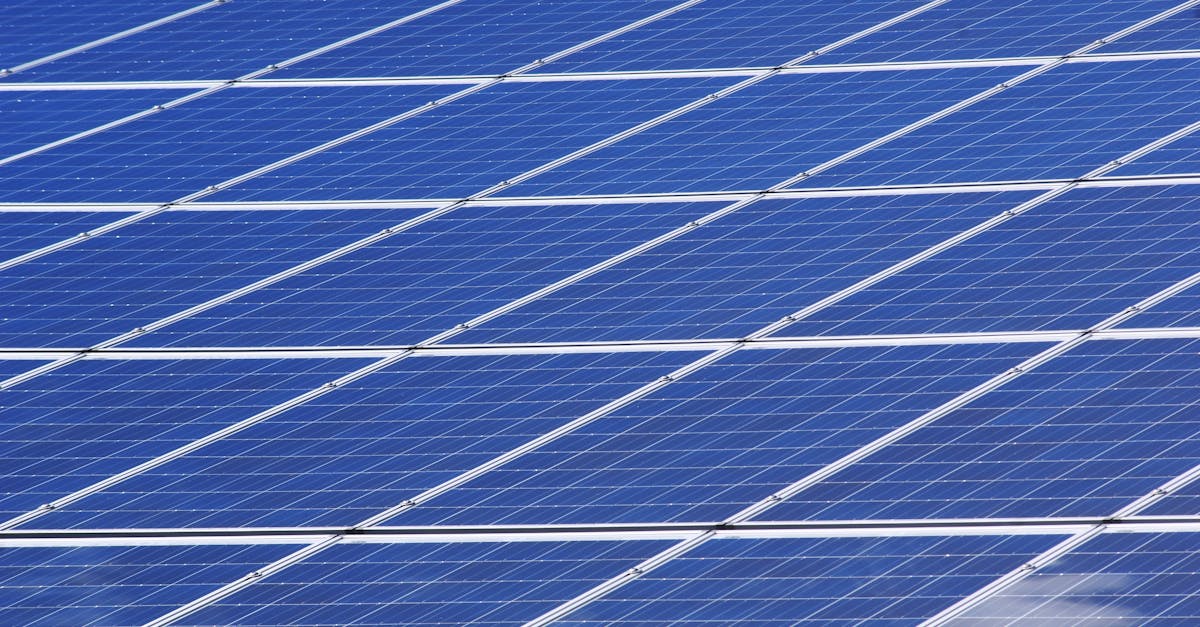
For entrepreneurs and investors, this situation necessitates a strategic approach. Businesses that prioritize energy efficiency, whether by retrofitting existing infrastructure or incorporating energy-saving technologies in new projects, stand to gain a competitive advantage. This might include offering energy audits, installing solar panels, or advising businesses on energy-efficient appliances, all of which are very relevant to the Hawaiian market.