


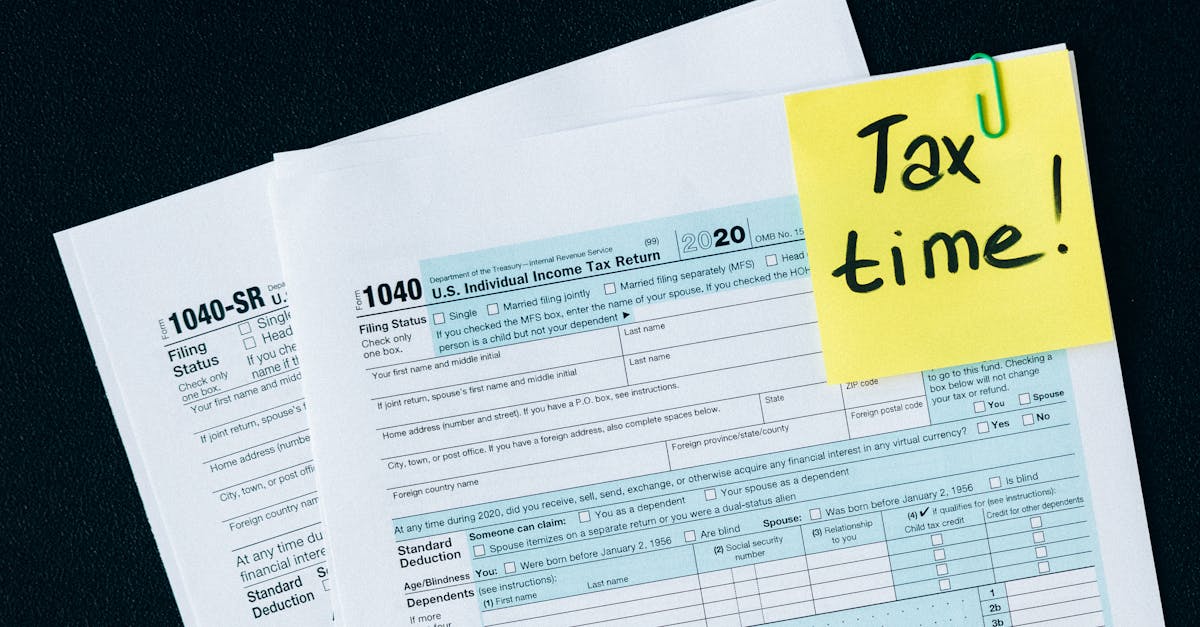
Hawaii Business Owners Face Potential Higher Income Tax Rates by May 1
The approaching legislative conference committee deadline of May 1 presents a critical window for Hawaii's higher-earning business owners, investors, and entrepreneurs to prepare for potential changes to state income tax rates. Discussions in Washington, California, and Hawaii indicate a legislative push to increase taxes on higher income brackets. For Hawaii, this means proposed adjustments to the state's income tax structure could be finalized within the next three weeks, directly impacting personal and potentially business tax liabilities.
The Change
While specific proposals vary, the core legislative intent across these states is to increase tax burdens on individuals and entities with substantial income or assets. In Hawaii, this consolidation phase between April 16 and May 1 is where final decisions will be made. Unlike broad economic shifts, the legislative decision-making process for tax policy offers a defined, albeit narrow, window for preparation. The urgency stems from the imminent deadline, after which any enacted changes would require immediate financial and strategic adjustments.
Who's Affected
Investors (VCs, Angel Investors, Portfolio Managers, Real Estate Investors):
- Impact: Potential increases in personal income tax rates will directly reduce net returns on investments. This could necessitate recalibrating investment strategies to seek higher pre-tax yields or consider tax-advantaged vehicles more aggressively. For real estate investors, changes in personal tax brackets may influence decisions on property acquisitions, development, and holding periods.
- Timeline: Decisions by May 1. Impacts on tax filings for the current fiscal year could be retroactive or apply immediately to future income, depending on legislative specifics.
Entrepreneurs & Startups (Founders, Growth-Stage Companies):
- Impact: Founders and key personnel with high personal incomes will see increased tax liabilities. This could affect their personal cash flow, potentially influencing decisions around owner compensation, reinvestment of profits back into the company, or the attractiveness of Hawaii as a place to operate and reside. For startups reliant on founder capital or significant early profits, this could create a tighter financial environment.
- Timeline: Decisions by May 1. Impacts on owner draws and reinvestment strategies should be considered before year-end.
Small Business Operators (Local Businesses, Service Providers):
- Impact: While many small businesses may not fall into the highest income brackets subject to the most significant proposed increases, operators who do will face higher personal tax obligations. This directly impacts their disposable income, which can affect personal savings, reinvestment capacity in their business, or consumer spending within the local economy.
- Timeline: Decisions by May 1. Planning for future tax obligations is crucial.
Real Estate Owners (Property Owners, Developers, Landlords):
- Impact: For real estate owners who are also high-income earners, projected changes in personal income tax rates are paramount. The after-tax profitability of real estate ventures, especially those with substantial income streams (e.g., large rental portfolios), will be reduced. This may influence future investment decisions, risk assessments, and potentially the pricing of services or rental rates to offset increased tax burdens, though market conditions will be a significant constraint on price increases.
- Timeline: Decisions by May 1. Longer-term investment strategies need immediate review.
Second-Order Effects
The legislative push for higher taxes on affluent individuals and businesses in Hawaii, an island economy with high operational costs and limited resources, could trigger several ripple effects. An increase in personal income tax for business owners and investors could lead to a reduced capacity for reinvestment in local enterprises, potentially slowing job creation and business expansion. This could also impact venture capital flow into Hawaii startups if post-tax returns become less attractive compared to other states. Furthermore, a higher cost of capital and reduced personal liquidity for investors might slow down real estate development and acquisition, potentially impacting housing supply and commercial property availability. This directly affects the cost of living and doing business, creating a feedback loop where increased costs for businesses could eventually translate to higher prices for consumers, further straining the local economy and the viability of certain business models.
What to Do
Given the legislative conference committee's tight timeline ending May 1, proactive consultation and strategic financial review are essential. Procrastination will likely result in unplanned tax liabilities and missed opportunities for tax mitigation.
For Investors:
- Action: Immediately schedule a consultation with a tax advisor by April 22 to model the potential impact of proposed tax rate increases on your personal and business investment portfolios. Review your asset allocation and consider strategies for tax loss harvesting or deferral if applicable. Evaluate the pre-tax versus post-tax returns of potential investments in light of new tax scenarios.
For Entrepreneurs & Startups:
- Action: By April 26, consult with your CPA to project the impact of potential higher personal income tax rates on your owner compensation and the company's retained earnings strategy. If significant personal tax increases are anticipated, explore options for tax-efficient compensation structures or consider accelerating business and personal expense deductions where permissible and appropriate.
For Small Business Operators:
- Action: By April 29, discuss with your accountant how potential personal income tax rate adjustments might affect your household and business financial planning. While direct business tax impacts may be minimal depending on the specifics, understand how personal tax changes could influence your reinvestment capacity or business debt servicing.
For Real Estate Owners:
- Action: By April 26, engage with your financial and tax advisors to understand how potential changes in personal income tax brackets could affect your net income from rental properties and development projects. Assess if current investment plans remain viable under a higher tax regime and if any hedging strategies (e.g., 1031 exchanges, passive activity loss reviews) need adjustment.
General Recommendation for All Affected Roles:
- Act Now: The window to influence financial and tax planning around these potential changes closes by May 1. Engage with tax professionals promptly to understand specific legislative proposals as they solidify and to implement any necessary adjustments before they become effective.


