Hawaii Businesses Face 7-10% Increase in Transportation Costs Amidst National Gas Price Surge
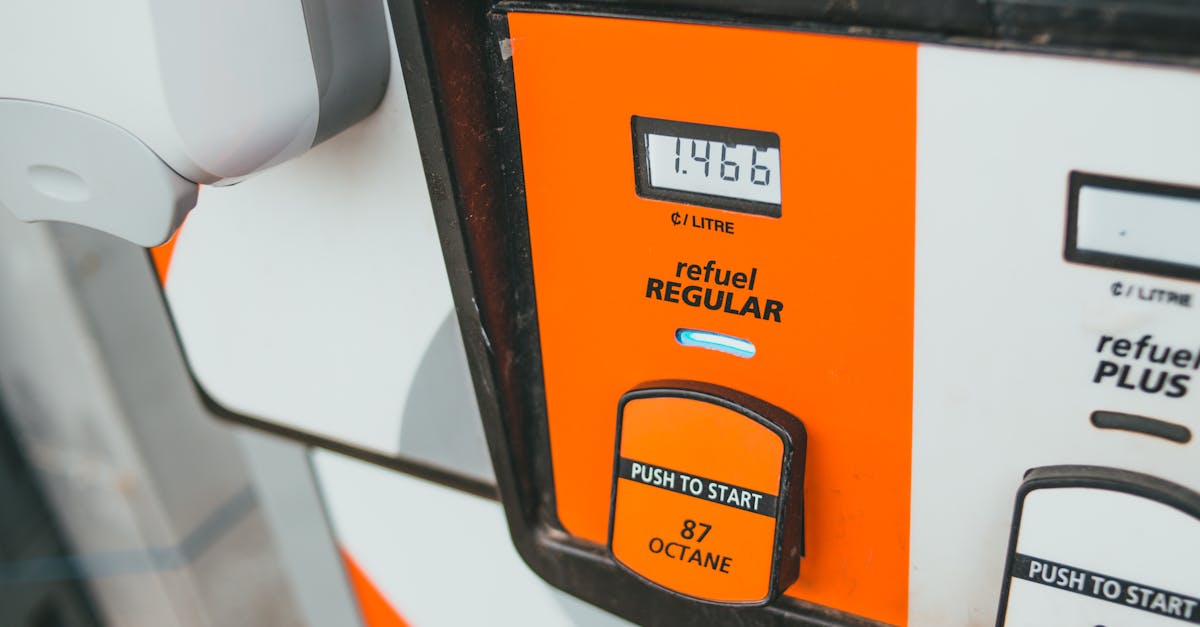
Recent national trends have led to a localized surge in gasoline prices across Hawaii, with pump prices jumping by an estimated 70 cents per gallon. This increase directly translates to higher operational expenses for businesses reliant on vehicle fleets, delivery services, and the transportation of goods. The sustained rise in fuel costs necessitates a strategic review of pricing, logistical efficiencies, and cost-containment measures.
The Change
Effective immediately, consumers and businesses across Hawaii are experiencing significantly higher gasoline prices. While national factors have driven an average 70-cent increase, Hawaii's unique position as an isolated island market often exacerbates these price hikes due to shipping costs for fuel. This trend, if sustained, will place immediate pressure on businesses that depend on road transportation for their core operations.
Who's Affected
All businesses operating in Hawaii are indirectly affected by rising fuel costs, but specific sectors face direct and immediate financial impacts:
- Small Business Operators (e.g., restaurants, retail, service providers): Expect a 7-10% increase in transportation-related operating costs. This includes delivery expenses, service call overhead, and potentially higher costs for employees commuting to work, which could indirectly pressure wage demands.
- Tourism Operators (e.g., hotels, tour companies, rental agencies): While direct fuel costs for guest transportation (shuttles, tour buses) will rise, the broader impact may be on visitor spending. Higher perceived costs of local travel could reduce discretionary spending on activities and dining. Increased operational costs may also necessitate adjustments in package pricing.
- Agriculture & Food Producers (e.g., farmers, distributors): These businesses face a double impact. Field operations requiring machinery will see increased fuel expenses. More critically, the cost of transporting produce from farms to markets, and the logistics of distributing goods across islands or to the mainland, will climb. This could affect the price competitiveness of local food products and elevate the cost of imported goods.
Second-Order Effects
This escalation in fuel prices initiates a ripple effect throughout Hawaii's constrained economy:
- Rising Consumer Prices: Increased transportation costs for goods—from groceries to retail items—will inevitably be passed on to consumers, contributing to an elevated cost of living.
- Labor Cost Pressure: As employee commute costs rise, there will be increased pressure on businesses to offer higher wages or transportation subsidies to attract and retain staff, particularly in sectors with labor shortages.
- Tourism Competitiveness: While Hawaii's appeal remains strong, sustained high costs for local transportation and goods could marginally impact its competitiveness against destinations with lower domestic operating expenses, potentially affecting visitor length of stay or spending patterns.
What to Do
Given the "Watch" action level, businesses should proactively monitor fuel price trends and assess their operational vulnerabilities. Immediate action is not mandated, but strategic planning is crucial to mitigate future impacts.
For Small Business Operators:
Monitor local fuel prices daily. Track your company's fuel expenditure as a percentage of total operating costs. If this percentage exceeds 15% and continues to rise, begin modeling the impact of a 1-3% price increase on your goods or services. Explore opportunities to optimize delivery routes, consolidate shipments, or encourage carpooling/alternative commuting for employees.
For Tourism Operators:
Keep a close watch on average daily rates (ADRs) and occupancy levels as fuel prices continue to fluctuate. Analyze customer feedback for any mentions of transportation concerns. If average fuel costs for your fleet operations increase by more than 10% over a 30-day period, review your pricing strategies for tours and shuttle services and consider bundling options that might offset individual transportation costs for guests.
For Agriculture & Food Producers:
Track the cost of fuel as a primary input for farm machinery and distribution. If fuel costs represent over 20% of your production and distribution budget and continue to trend upwards, evaluate the feasibility of increasing wholesale prices or exploring more localized distribution networks to reduce transit distances. Engage with logistics partners to understand their strategies for managing fuel surcharges.
Action Details:
Monitor average gasoline prices in Hawaii via sources like the U.S. Energy Information Administration (EIA) or local news reports. If average prices in Hawaii consistently exceed $5.50 per gallon for an extended period (over 60 days), and your transportation costs have increased by 10% or more, begin implementing pre-planned price adjustments or efficiency measures. Explore bulk fuel purchasing options or long-term contracts if available and financially feasible.