


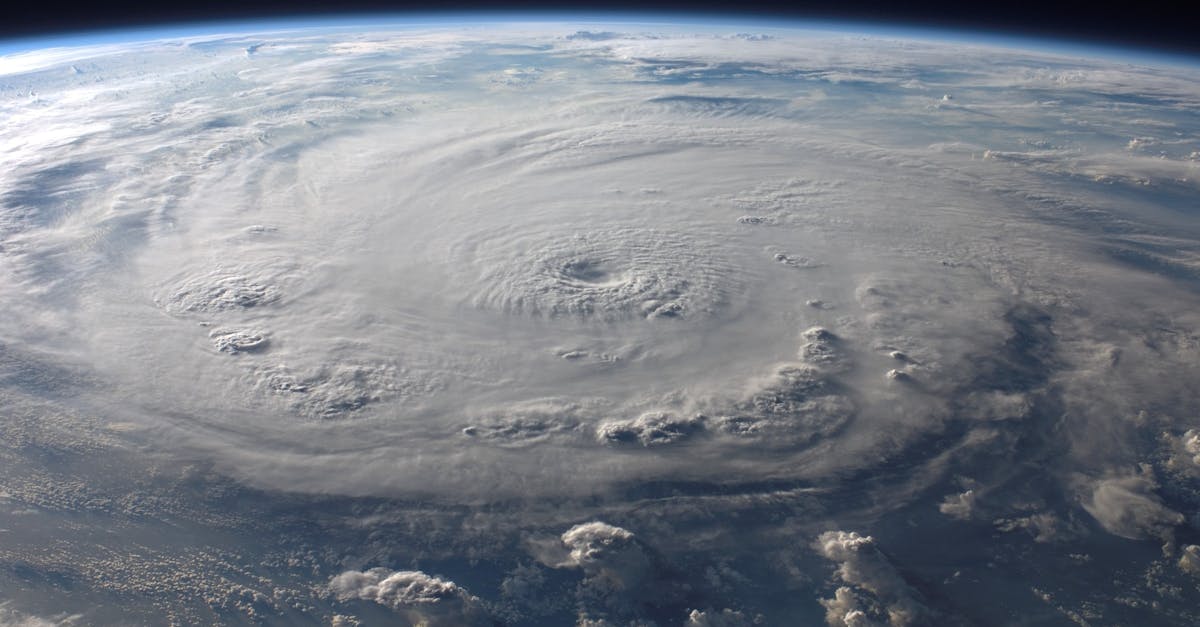
Hawaii Businesses Face Immediate Disruption Risk as Tropical Cyclones Threaten Islands This Weekend
Executive Brief
Two Pacific storm systems are forecast to develop into tropical cyclones this week, with a potential threat to Hawaii by the weekend, necessitating immediate operational and logistical preparations. Tourism operators and small businesses should review contingency plans and secure assets to mitigate potential widespread disruptions.
- Tourism Operators: Expect potential flight cancellations, reduced visitor bookings, and operational downtime.
- Small Business Operators: Prepare for supply chain interruptions, potential property damage, and staffing challenges.
- Real Estate Owners: Assess property vulnerability and secure all structures and outdoor assets.
- Investors: Monitor potential short-term market volatility and assess portfolio resilience.
- Action: Review and activate emergency preparedness plans immediately, focusing on asset protection and communication protocols.
The Change
Forecasters at the Central Pacific Hurricane Center are closely monitoring two developing weather systems in the Pacific Ocean that have the potential to strengthen into tropical cyclones. One of these systems, in particular, poses a potential threat to the Hawaiian Islands as early as this coming weekend. While the exact track and intensity are still uncertain, the possibility of tropical storm or hurricane conditions developing within the next 72-96 hours requires businesses and residents to activate emergency preparedness protocols without delay.
Who's Affected
Tourism Operators
Impact: Potential for significant disruption to operations. This includes flight cancellations and diversions by airlines, leading to a sudden drop in visitor arrivals and departures. Hotels, tour operators, and vacation rental businesses face the risk of widespread cancellations, impacting revenue for the upcoming week and potentially longer if infrastructure is damaged. Power outages, transportation disruptions, and safety concerns for visitors will necessitate immediate operational adjustments and communication with guests.
Timeline: Preparations and potential cancellations could begin as early as Thursday or Friday, with direct impacts possible over the weekend. Recovery could extend for weeks depending on storm severity.
Small Business Operators
Impact: Vulnerability to supply chain disruptions, potential physical damage to property, and challenges in maintaining staffing. Many local businesses rely on timely deliveries of goods, which could be halted or significantly delayed by severe weather and port closures. Retail shops and restaurants may need to close temporarily due to safety concerns, power outages, or damage, leading to lost revenue. Securing inventory and equipment will be a critical immediate task.
Timeline: Preparations should be underway now. Disruptions could begin by the weekend and persist if widespread damage occurs.
Real Estate Owners
Impact: Risk of property damage from high winds, heavy rainfall, and potential storm surge, especially for coastal properties. Owners of commercial and residential real estate need to secure buildings, outdoor signage, and any exposed equipment. Property managers must have communication plans in place for tenants and be prepared for potential repair needs post-storm.
Timeline: Immediate action required to secure properties before the weekend. Assessment and repair needs will follow storm passage.
Investors
Impact: Potential for short-term market volatility impacting tourism-dependent stocks and local economic indicators. Businesses with significant exposure to Hawaii's tourism sector may see a temporary dip in performance. Companies reliant on logistics and supply chains to or from the islands could also face challenges. Investors should monitor news and official advisories closely for changes in storm trajectory and severity.
Timeline: Immediate concern for assets exposed to Hawaii. Longer-term impacts will depend on the extent of damage and recovery.
Second-Order Effects
The immediate threat of tropical cyclone activity can exacerbate Hawaii's existing economic vulnerabilities. Supply chain disruptions, driven by potential port closures and flight cancellations, will directly impact the availability and cost of goods for businesses, from restaurants to retail. This, coupled with potential property damage and the need for emergency repairs, could lead to increased operating costs. For the tourism sector, extended disruptions or damage could deter future bookings, prolonging economic recovery. This, in turn, can strain local employment in hospitality and related services, potentially impacting wages and consumer spending across the islands.
What to Do
Tourism Operators
Act Now: Immediately review and activate your business's hurricane preparedness plan. This includes:
- Communication: Notify staff and customers about potential service disruptions and updates. Establish clear communication channels.
- Reservations: Prepare for a surge in cancellations and have a clear policy in place. Communicate proactively with airlines regarding flight status.
- Operations: Secure outdoor equipment, furniture, and any temporary structures. Ensure backup power systems are functional.
- Staffing: Confirm emergency contact information for all employees and establish protocols for their safety and availability.
- Supplies: Stock essential supplies, including water, food, and first-aid, for any staff who may need to remain on-site or for guests unable to depart.
Small Business Operators
Act Now: Implement your business continuity and emergency response plans:
- Asset Protection: Secure all inventory, equipment, and outdoor signage. Consider boarding up windows if necessary based on proximity to storm path and intensity forecasts.
- Supply Chain: Contact key suppliers to understand their contingency plans and potential for delays. Explore alternative sourcing options if possible, though lead times are now critical.
- Staff Safety: Ensure employees know the safety protocols and have a plan for their commute and well-being. Designate a point person for internal communications.
- Utilities: Check the status of backup generators and confirm an emergency contact with utility providers.
- Financials: Ensure critical business data is backed up off-site and that financial transaction capabilities (e.g., mobile POS) are prepared for potential power outages.
Real Estate Owners
Act Now: Secure all properties and communicate with tenants:
- Physical Security: Inspect all buildings for potential vulnerabilities. Secure windows, doors, and any loose exterior elements. Clear gutters and drainage systems.
- Tenant Communication: Inform tenants about safety procedures, expected impacts, and your property's emergency plan. Provide them with emergency contact information.
- Landscaping & Outdoors: Trim trees, secure outdoor furniture, and remove any potential projectiles.
- Insurance Review: Confirm your insurance coverage and understand the claims process, though immediate action is on physical preparedness.
Investors
Watch: Monitor advisories from the Central Pacific Hurricane Center and reports from major Hawaiian airlines. While immediate action on individual company investments may not be necessary unless heavily exposed to short-term operational risk, stay informed on the storm's development and potential economic impact on the islands. Assess the resilience of companies within your portfolio that have significant operations or revenue streams tied to Hawaii.
Timeline: Monitor developments closely over the next 48-72 hours. Decisions regarding potential portfolio adjustments should be based on the storm's projected path and intensity as it becomes clearer.


