


Hawaii Businesses Brace for Import Costs and Tourism Shifts Amidst Dollar-Yen Volatility
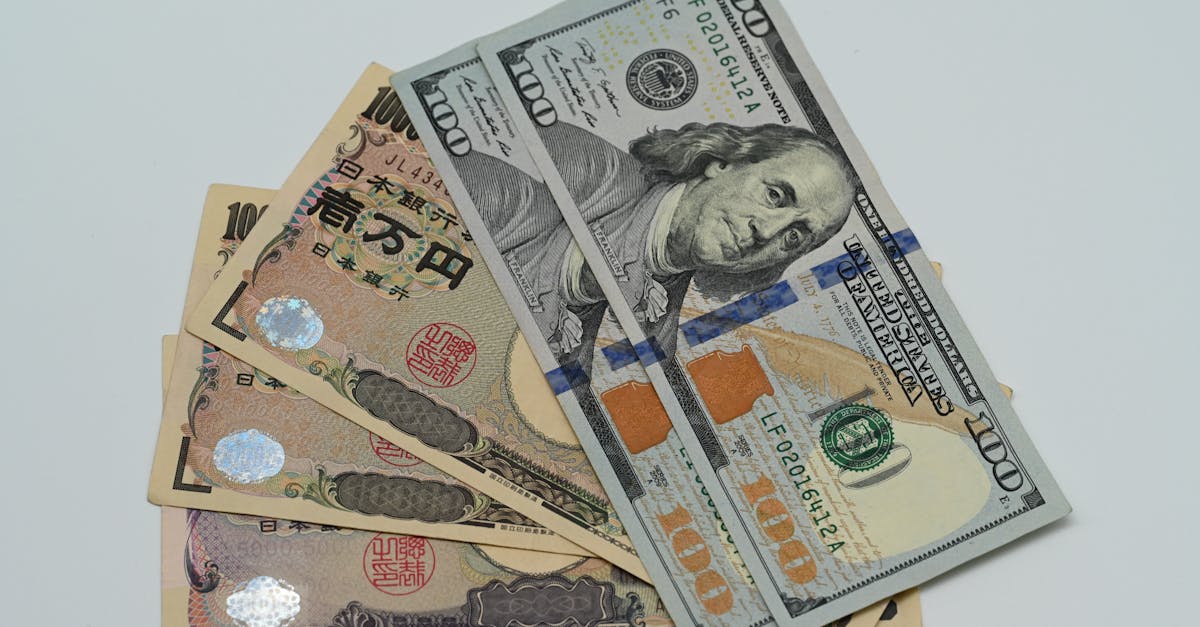
A significant and rapid strengthening of the US dollar against the Japanese yen, reaching levels not seen since 1986, is creating immediate financial implications for Hawaii's import-dependent businesses and the island's crucial tourism sector. This currency shift is not merely a financial headline; it represents a tangible threat to operating margins and a potential recalibration of visitor source markets.
The Change: Dollar Surges, Yen Plummets
The US dollar has seen a substantial surge, driven by factors including interest rate differentials and global economic uncertainty. Concurrently, the Japanese yen has experienced a sharp devaluation, falling to historic lows against the dollar. This divergence creates a scenario where goods priced in dollars become more expensive for Japanese consumers, and conversely, items priced in yen become cheaper for dollar-holding entities. Tokyo's central bank is reportedly considering currency intervention, a move that could temporarily stabilize the yen but adds another layer of uncertainty to the global financial landscape. For Hawaii, an economy heavily reliant on imports ranging from electronics and apparel to food and machinery, this currency movement translates directly into higher landed costs.
Who's Affected
- Small Business Operators (Restaurants, Retail, Services): Businesses that import inventory, equipment, or supplies priced in US dollars will face higher costs if their own currency is not the USD. This includes many Japanese-owned businesses operating in Hawaii who would have previously benefited from a weaker dollar. For local businesses reliant on Japanese tourist spending, their higher purchasing power due to the weaker yen means they might spend less on goods and services in Hawaii, impacting revenue.
- Investors: Investors in Hawaii-based businesses, particularly those with significant import dependencies or close ties to the Japanese market, should monitor profit margins and revenue projections. The fluctuating cost of goods and potential shifts in consumer spending from a key tourist demographic could impact valuations and investment strategies. Real estate investors may see changes in demand for commercial spaces catering to Japanese tourists.
- Tourism Operators (Hotels, Tours, Vacation Rentals): The weak yen makes Hawaii significantly more expensive for Japanese travelers, potentially leading to a decrease in visitors from Japan. Conversely, the strong dollar can make Hawaii more attractive to tourists from countries whose currencies are pegged to or move with the dollar, such as Australia or Canada, although direct price changes for goods imported from non-yen countries are not the primary impact in this specific currency shift.
- Agriculture & Food Producers: While largely insulated from direct currency impacts on their primary produce, producers exporting specifically to Japan may face reduced demand if their goods are perceived as more expensive by Japanese consumers due to the yen's weakness. Inbound logistics for imported fertilizers, feed, or equipment might also see marginal price adjustments if sourced through USD-denominated supply chains.
Second-Order Effects
The immediate impact on import costs for small businesses is likely to create a ripple effect across Hawaii's economy. Higher costs for imported goods could force businesses to raise prices for local consumers, contributing to inflation. This increased cost of living then puts pressure on wages for local service sector employees. If businesses absorb these costs, profit margins shrink, potentially leading to reduced investment in expansion or staffing. For tourism, a significant drop in Japanese visitors could necessitate increased marketing efforts towards other demographics or a strategic focus on retaining domestic visitors, potentially leading to altered pricing for accommodations and activities.
What to Do
Small Business Operators
- Action: Immediately review all import contracts and supplier relationships. Negotiate terms where possible, or explore alternative suppliers outside of USD-denominated markets if feasible, though this may involve significant lead time and due diligence. Consider passing on a portion of increased costs to consumers via price adjustments, but carefully assess the impact on demand, especially for price-sensitive goods and services. Deadline: Within 30 days.
- Watch: Monitor the yen's trajectory and any official intervention from Tokyo. Track competitor pricing strategies to maintain market competitiveness. Explore partnerships with local producers to diversify supply chains away from international imports.
Investors
- Action: Re-evaluate portfolio holdings with significant exposure to import-dependent businesses or those reliant on Japanese tourism. Stress-test financial models for potential margin compression or reduced revenue from key demographics. Diversify investment strategies to mitigate risks associated with currency fluctuations and international market shifts. Deadline: Within 30-60 days.
- Watch: Keep a close eye on corporate earnings reports from companies operating in Hawaii, particularly those with import/export ties. Monitor the Japanese tourism statistics and any policy changes by the Bank of Japan.
Tourism Operators
- Action: Intensify marketing efforts towards markets with stronger currencies relative to the USD or those less impacted by the current dollar-yen dynamic. Consider offering specialized packages or promotions to offset the increased cost for Japanese travelers, or focus on attracting higher-spending travelers from other regions. Update pricing models to reflect potential shifts in demand and competitor strategies. Deadline: Immediately, with ongoing adjustments over the next 60 days.
- Watch: Monitor airline capacity and booking trends from Japan versus other key markets. Track hotel occupancy rates and average daily rates across different demographics. Analyze competitor marketing campaigns and pricing adjustments.
Agriculture & Food Producers
- Action: If exporting to Japan, consult with export partners to understand potential pricing adjustments and demand forecasts. Review the cost of all imported inputs (fertilizers, equipment, feed) and factor potential long-term cost increases into financial planning.
- Watch: Stay informed about global commodity prices and currency fluctuations that might affect the cost of imported agricultural inputs. Monitor the health of the Japanese economy and consumer spending patterns as indirect indicators of export viability.
Sources:


