


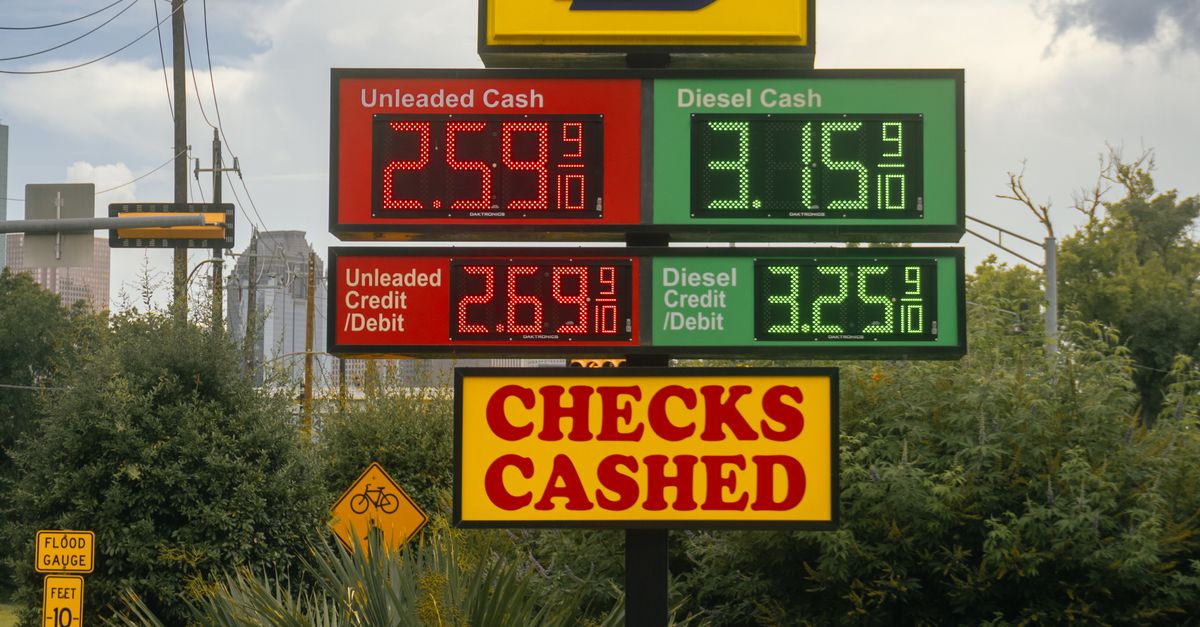
Hawaii Businesses Face Persistent Operating Cost Hikes Due to Policy-Driven Gas Prices
A recent report highlights that Hawaii and select West Coast states bear significantly higher gasoline prices due to a confluence of decades-long policy decisions, rather than solely market fluctuations. This persistent price differential directly translates to increased operating costs for businesses across the islands, impacting everything from logistics and delivery to daily operations.
The Change
The disparity in gas prices between Hawaii and the continental U.S. is not a new phenomenon, but a recent analysis from Hawaii Free Press reinforces that specific policy choices are the primary driver. These include state-specific fuel taxes, environmental regulations, and the unique complexities of refining and transporting fuel to an isolated island chain. Unlike transient market shocks, these policy underpinnings suggest a sustained elevation in fuel costs for the foreseeable future.
Who's Affected
Small Business Operators: Businesses reliant on vehicle fleets for delivery, service calls, or transportation of goods are directly impacted. Expect sustained increases of 5-15% in fuel-related operating expenses, potentially eroding already thin margins. This can necessitate price increases for consumers or reductions in service scope.
Tourism Operators: Hotels, tour operators, and transportation services face elevated costs for guest transport, supply chain logistics, and general operations. These higher costs can reduce profitability or be passed on to tourists, potentially impacting Hawaii's competitiveness against destinations with lower operational overhead.
Agriculture & Food Producers: Farmers and food producers rely heavily on fuel for agricultural machinery, harvesting, processing, and transportation to local markets and export. The sustained higher gasoline prices increase the cost of production and the logistics of getting goods to consumers.
Real Estate Owners: While not as direct as fleet operators, the cumulative effect of higher operating costs for tenants in retail, commercial, and industrial spaces can indirectly impact lease renewals, property values, and the overall economic health of commercial districts.
Second-Order Effects
The policy-driven high cost of gasoline in Hawaii creates a ripple effect through the island economy. Increased transportation costs for goods and services lead to higher consumer prices for a wide range of products, contributing to a higher cost of living. This, in turn, can put upward pressure on wages as employees seek to maintain their purchasing power. For tourism operators, higher operating costs may necessitate price increases for tours and activities, potentially deterring some visitors or shifting demand to less expensive destinations. Furthermore, the higher cost of living can make it more difficult for businesses to attract and retain employees, exacerbating existing labor shortages.
What to Do
Given that the root causes are policy-driven, immediate price reductions are unlikely without legislative intervention. Therefore, the focus for businesses should be on adaptation and mitigation.
Small Business Operators:
- Action: Review fleet efficiency and route optimization software. Explore fuel-efficient vehicle options during your next upgrade cycle. Consider long-term fuel hedging strategies with your supplier if feasible and if your business scale justifies the risk.
- Time Sensitivity: Immediate review; implementation over the next 6-12 months.
Tourism Operators:
- Action: Evaluate pricing structures to reflect increased operational costs without significantly impacting market competitiveness. Investigate opportunities for fuel-efficient vehicles or alternative transportation solutions for tours and transfers. Communicate value to customers to justify any necessary price adjustments.
- Time Sensitivity: Ongoing pricing review; implement changes in the next booking cycle.
Agriculture & Food Producers:
- Action: Research and invest in more fuel-efficient agricultural equipment and explore alternative energy sources for farm operations where applicable. Optimize logistics for distribution to minimize transport distances and frequency.
- Time Sensitivity: Assess options now; plan for capital investment over the next 1-3 years.
Real Estate Owners:
- Action: Engage in proactive conversations with tenants about rising operational costs. Consider lease clauses that, where appropriate, allow for adjustments based on significant energy cost fluctuations, or build in flexibility for tenants in future lease negotiations.
- Time Sensitivity: Begin discussions during upcoming lease renewals or tenant check-ins.


