


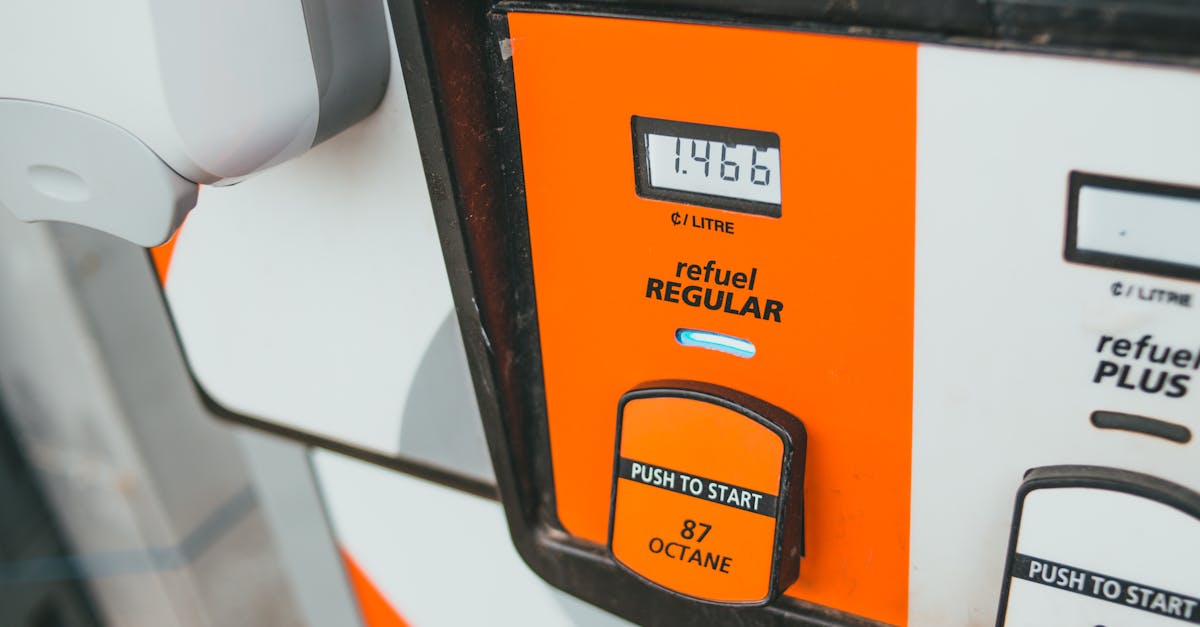
Hawaii Businesses Face Potential 5-15% Fuel Cost Increase as Middle East Tensions Escalate
Rising geopolitical instability in the Middle East presents a tangible risk of increased fuel costs for Hawaii businesses. While the islands are geographically distant from the conflict zones, global oil markets react swiftly to supply chain disruptions and heightened tensions, which will likely translate into higher prices at the pump and for all fuel-dependent operations within the next 30-60 days. This necessitates a proactive approach to budgeting and operational strategy.
The Change
Recent military actions and heightened tensions involving Iran have created significant volatility in global oil markets. As a major oil-producing region, any disruption or perceived threat to supply from this area can trigger immediate price increases. While the direct impact on Hawaii's fuel supply chain is not immediate, the ripple effect through international trade and commodity pricing means a price hike at Hawaii's gas stations and for industrial fuel users is highly probable. Experts suggest that without de-escalation, crude oil prices could see a sustained increase, leading to higher retail fuel costs on the islands.
Who's Affected
Small Business Operators: This group will feel the immediate impact through increased operating expenses. Delivery services, restaurants with own fleets, and any business reliant on vehicle transport will see higher costs. A 5-15% increase in fuel prices could significantly dent margins, especially for businesses operating on thin profitability or those in competitive sectors like local retail and food service. Businesses that cannot easily pass these costs to consumers may face difficult choices regarding staffing or service scope.
Tourism Operators: Hotels, tour bus companies, and rental car agencies are directly exposed. Increased fuel costs for tour operations and transportation will either be absorbed, cutting into profits, or passed on to tourists through higher prices for excursions and package deals. This could impact Hawaii's competitiveness as a destination if prices rise significantly more than at other vacation spots. Airlines may also adjust routes or prices, though this is a longer-term effect.
Agriculture & Food Producers: The agricultural sector relies heavily on fuel for machinery use (tractors, harvesters), on-farm transport, and shipping goods to markets, both local and inter-island. Increased fuel prices will raise the cost of production for everything from crops to livestock. For producers exporting goods, higher shipping costs associated with fuel are also a concern, potentially diminishing their competitive edge in external markets.
Real Estate Owners: While not directly purchasing fuel in large quantities for their core operations, property owners and managers will experience indirect effects. Increased transportation costs for maintenance services, repair teams, and delivery of supplies will raise property upkeep expenses. If tenants (businesses) face higher operating costs due to fuel prices, it could eventually impact their ability to pay rent or their willingness to commit to long-term leases in commercial properties.
Second-Order Effects
Escalating fuel prices directly impact Hawaii's already high cost of living and doing business. Higher costs for transportation and logistics can lead to increased prices for imported goods and locally produced items that require fuel for cultivation or distribution. This inflationary pressure can reduce consumer spending power in other areas, potentially impacting retail sales, and can also exacerbate labor shortages as workers' commuting costs rise. For tourism, sustained higher operational costs could translate into higher visitor package prices, making Hawaii a less affordable destination, thereby potentially impacting visitor volumes over the medium term.
What to Do
Small Business Operators: Begin reviewing all transportation and delivery-related expenditures. Analyze your customer pricing strategy to determine if modest price adjustments are feasible. Explore route optimization software or more fuel-efficient vehicle options where possible. Re-evaluate supplier contracts for any fuel-related surcharges.
Tourism Operators: Assess current fuel contracts and explore options for locking in prices if possible. Review pricing for tours and transportation services to anticipate potential adjustments. Communicate any changes to pricing transparently with customers well in advance.
Agriculture & Food Producers: Examine irrigation systems and farm machinery for fuel efficiency. Investigate bulk fuel purchasing options or consider on-farm fuel storage if feasible and compliant with regulations. Work with logistics partners to identify cost-saving measures in transportation.
Real Estate Owners: Factor potential increases in maintenance and contractor costs into operational budgets. Consider this in lease negotiations for commercial properties, particularly for tenants with significant transportation needs.
Action Details: Businesses should monitor daily crude oil benchmarks (e.g., WTI, Brent) and weekly Hawaii fuel price reports. If crude oil prices consistently trade above $90/barrel for two consecutive weeks, or if local gasoline prices breach $4.50/gallon (average for 808 area code), consider implementing contingency plans, such as adjusting pricing or re-evaluating delivery schedules.


