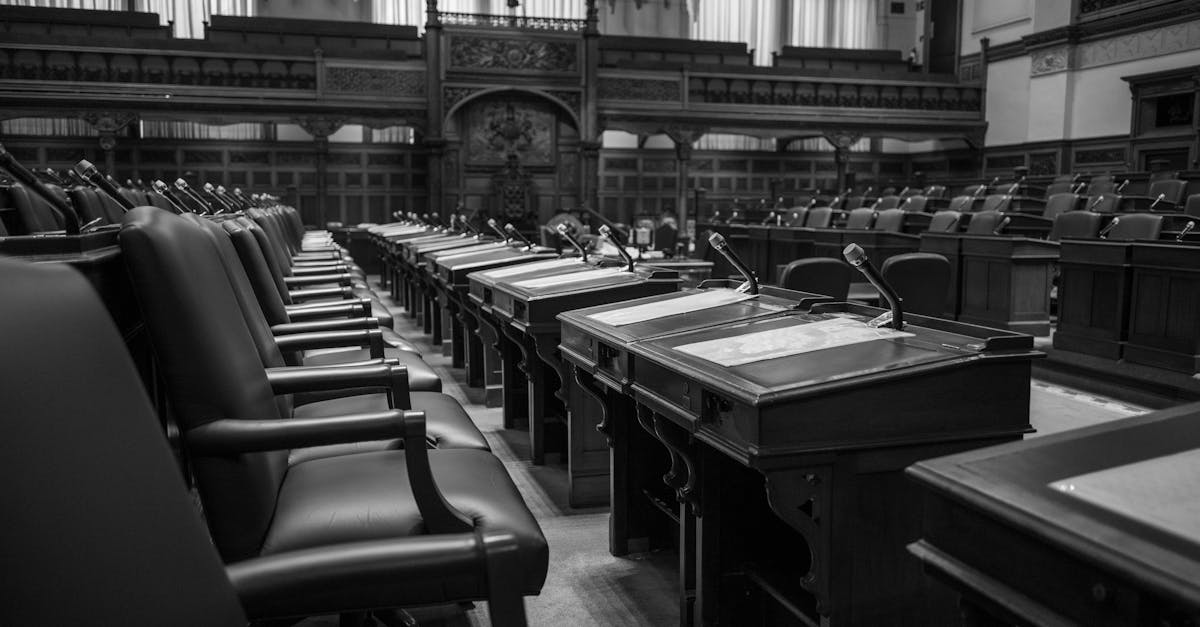
Hawaii Businesses Face Potential Policy Shifts as 2026 Legislative Session Opens
The 2026 Hawaii State Legislative session officially commences on Wednesday, January 21st. This marks the critical window where new bills will be introduced, debated, and potentially passed, leading to significant changes for businesses across the islands. While the opening day itself is largely ceremonial, it signals the start of a months-long process that could reshape tax structures, regulatory frameworks, labor laws, and development guidelines. Understanding the legislative agenda and proactively monitoring proposals is crucial for business continuity and strategic planning.
Who's Affected
- Small Business Operators: Will face potential changes in operating costs through new taxes, fees, or compliance mandates. Labor laws and permitting processes are also areas to watch closely.
- Real Estate Owners: Should monitor potential shifts in zoning regulations, property tax assessments, and development permit requirements that could impact property values and development feasibility.
- Investors: Need to be aware of evolving market conditions driven by new policies, which could affect investment opportunities, risk assessments, and the attractiveness of specific sectors within Hawaii.
- Tourism Operators: Must track potential legislation related to the visitor industry, including new taxes, environmental regulations, or rules governing short-term rentals and accommodations.
- Entrepreneurs & Startups: Should monitor policies that could affect access to funding, talent acquisition, or the regulatory landscape for new business ventures, particularly those in emerging sectors.
- Agriculture & Food Producers: Potential impacts on land use, water rights, and agricultural incentives should be closely monitored, as these can significantly affect operational viability.
- Healthcare Providers: Policy changes concerning licensing, insurance, and telehealth could alter service delivery models and operational costs.
Second-Order Effects
New legislation, especially concerning environmental regulations or tourism capacity, can trigger a chain reaction. For example, stricter environmental mandates on hotels could increase operating costs. This, in turn, might lead to higher room rates, potentially dampening tourism demand. Reduced visitor numbers can then impact employment in the hospitality sector, affecting local wages and consumer spending, thereby influencing small businesses and entrepreneurs.
A different ripple could stem from new labor laws. Increased minimum wages or mandated benefits for employees would directly raise operating costs for small businesses and tourism operators. This could force price increases for consumers, potentially leading to inflation and reduced purchasing power. Businesses facing higher labor costs might explore automation or reduce staffing, impacting overall employment levels and potentially the viability of certain startups or small enterprises.
What to Do
This legislative session presents an opportunity for businesses to influence policy and adapt to upcoming changes. Given the broad potential impact across sectors, a proactive monitoring strategy is essential.
- Action: Watch. Businesses across all sectors should actively monitor the Hawaii State Legislature's official website Hawaii State Legislature for newly introduced bills and committee agendas. Identify bills relevant to your specific industry (e.g., tourism, real estate, labor, agriculture, healthcare). Assign a point person or team to track developments weekly, focusing on bills that could impact operating costs, compliance, or market access. Be prepared to engage with lawmakers through testimony or advocacy groups if critical legislation arises.
This approach allows businesses to anticipate changes, provide input during the legislative process, and make necessary adjustments to their strategic and operational plans before new laws take effect.


