


Hawaii Businesses Face Rising Operating Costs as Fuel Prices Climb
The Change
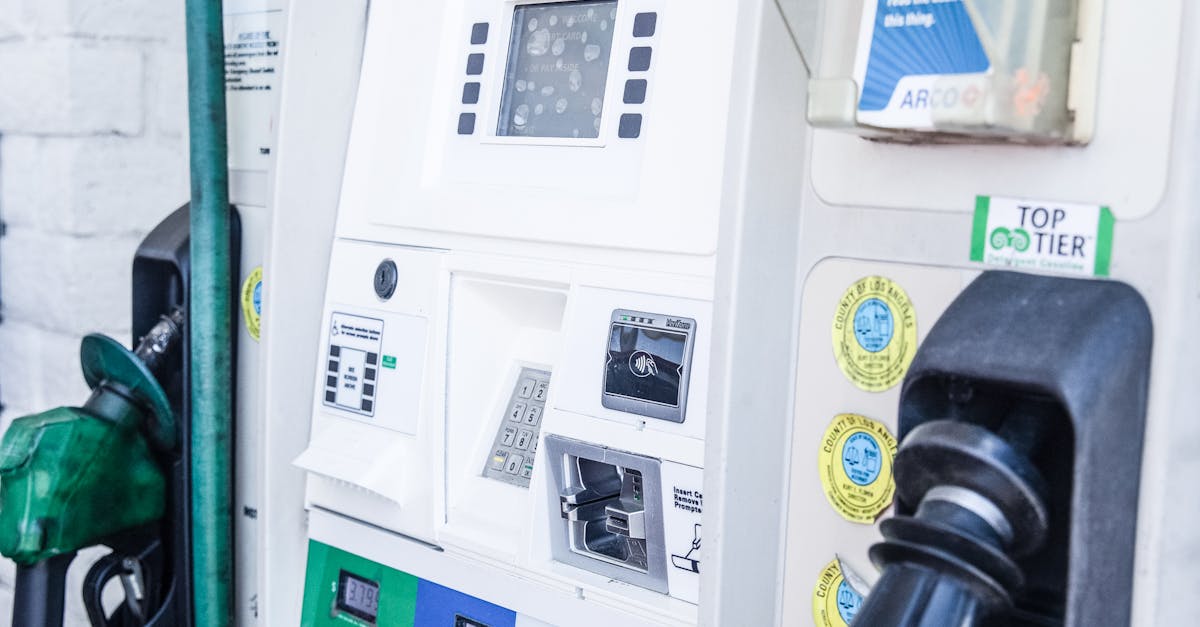
Gasoline prices across Hawaii have continued their upward trajectory, marking the third consecutive week of increases. As of March 19, 2026, the average price per gallon has risen by approximately 31 cents over this period, according to AAA Hawaii. This sustained surge in fuel costs directly translates to higher operating expenses for a significant portion of Hawaii's business community.
Who's Affected
Small Business Operators (small-operator)
For businesses reliant on vehicle fleets for delivery, service calls, or general operations, these rising fuel costs directly erode profit margins. Restaurant owners with delivery services, retail shops requiring frequent inventory transport, and numerous service-based businesses will see an immediate impact on their bottom line. Without adjustments to pricing or operational efficiency, margins could shrink by an estimated 3-5% within the next quarter. This also puts pressure on budgets for maintenance and potential fleet expansion.
Tourism Operators (tourism-operator)
While not directly paying for each customer's fuel, tourism businesses bear the brunt of increased transportation costs throughout the visitor supply chain. Tour bus companies, rental car agencies, and transportation services for hotels face higher overheads, which can be passed on to consumers or absorbed, impacting profitability. This could also indirectly affect airline ticket prices and inter-island travel costs, potentially dampening demand if overall vacation expenses become too high.
Agriculture & Food Producers (agriculture)
From farm to table, fuel is a critical component of Hawaii's food production and distribution. Farmers utilizing tractors and transport vehicles, and businesses involved in local food distribution networks, are experiencing increased costs. The Jones Act, which governs maritime shipping between U.S. ports, also factors into the cost of goods, and any increase in fuel surcharges for inter-island or mainland shipping will further elevate these expenses. This pressure could lead to higher prices for locally sourced goods.
Second-Order Effects
Across an isolated island economy like Hawaii, sustained fuel price increases create a cascade of economic pressures. Higher fuel costs for transportation and logistics will likely lead to increased prices for goods and services across the board. This contributes to a higher cost of living for residents, which in turn can put upward pressure on wages for employees who face increased commuting costs. For tourism operators, higher overall costs for visitors could lead to reduced spending on non-essential activities or a contraction in overall visitor demand if the perceived value proposition diminishes.
What to Do
Action Level: WATCH
While immediate drastic action may not be necessary for all, continued monitoring of fuel prices and their impact on operational costs is crucial. Businesses should implement strategies to mitigate exposure and prepare for further increases.
Specific Guidance:
- Small Business Operators: Begin tracking fuel expenses daily. Explore opportunities for route optimization and fuel-efficient vehicle maintenance. Review your pricing strategy for potential adjustments to cover increased costs, particularly if you are mid-contract or have fixed pricing for the next 30-60 days. Consider negotiating longer-term fuel hedging if available and cost-effective.
- Tourism Operators: Assess current contracts with transportation providers for fuel surcharges and renegotiate terms if possible. Communicate potential price adjustments proactively to clients and partners. Analyze the impact on package deals and adjust profit margins accordingly.
- Agriculture & Food Producers: Investigate opportunities for fuel-efficient farming equipment and optimized delivery routes. Explore local sourcing partnerships to reduce inter-island shipping needs where feasible. Evaluate the possibility of incorporating small, incremental price increases in your product lines to offset rising input costs.
Monitor: Watch the average gasoline price trends reported by AAA Hawaii weekly. Also, monitor input costs from your key suppliers for any indication of fuel surcharge implementation. If average gasoline prices across Hawaii remain above the current average by another 15-20 cents per gallon for two consecutive months, re-evaluate your pricing and operational adjustments.


