


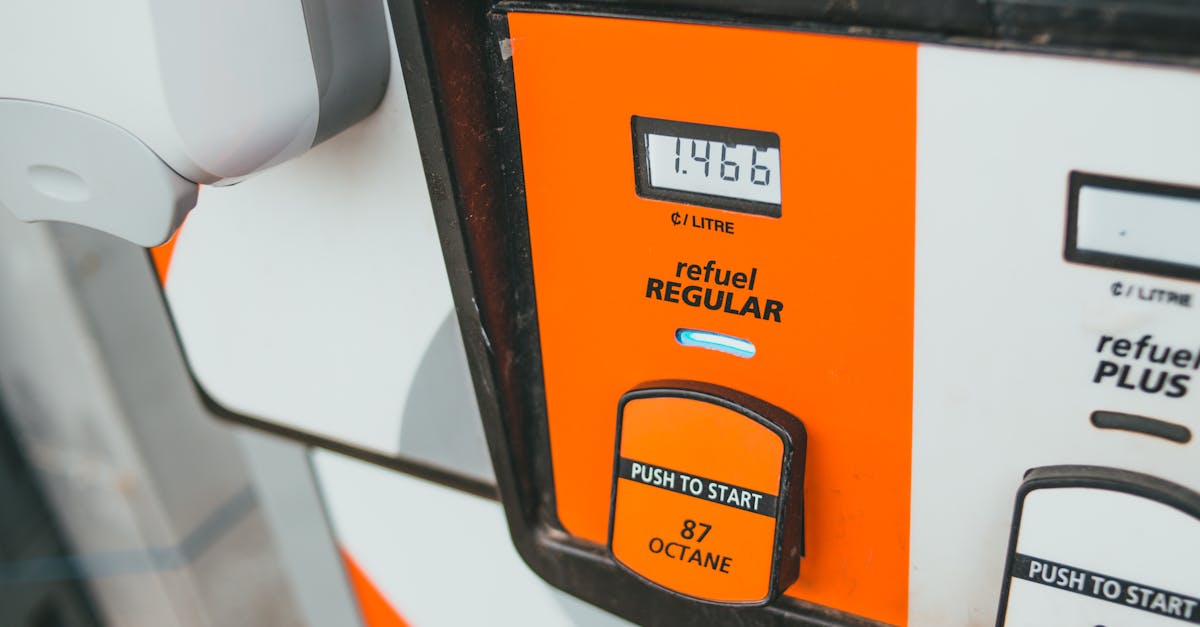
Hawaii Businesses Face Rising Operating Costs as Fuel Prices Hit Multi-Month Highs
Executive Brief: U.S. gasoline prices have surpassed $3.75 per gallon for the first time since October 2023, directly increasing transportation costs for Hawaii businesses and potentially impacting consumer spending. Businesses reliant on vehicle fleets should prepare for sustained higher operating expenses.
- Small Business Operators: Expect 5-10% increase in delivery and transportation costs.
- Tourism Operators: Increased operational expenses for tours and shuttle services.
- Agriculture & Food Producers: Higher costs for farm logistics and distribution.
- Real Estate Owners: Potential for increased tenant operational cost pass-through.
- Action: Watch fuel price trends and reassess transportation budgets.
The Change
The U.S. national average gasoline price has climbed above $3.75 a gallon as of March 17, 2026, a level not seen since late 2023. This surge is attributed to ongoing supply disruptions stemming from the Middle East conflict, which continues to destabilize global energy markets. While the impact on Hawaii's fuel prices often lags behind the mainland due to shipping and refining specifics, local consumers and businesses should anticipate a direct correlation and potential lag in price increases. The current global geopolitical situation suggests these elevated prices could persist.
Who's Affected
- Small Business Operators: Businesses that rely on delivery services, fleet vehicles for sales or service calls, and local transportation will see a direct increase in operating expenses. This could translate to a 5-10% rise in transportation-related costs, potentially squeezing already thin margins for restaurants, retail shops, and service providers. Businesses may need to consider adjusting pricing or optimizing delivery routes.
- Tourism Operators: Tour companies, shuttle services, rental car agencies, and hotels utilizing transportation for guests face a similar cost squeeze. Increased fuel expenditure will likely be absorbed by businesses, potentially impacting profitability or leading to surcharges where applicable. This could also influence traveler decisions if Hawaii becomes perceived as a more expensive destination due to ancillary costs.
- Agriculture & Food Producers: Farmers and ranchers, especially those involved in local distribution, will experience higher costs for fuel used in farm equipment and for transporting goods to markets and processing facilities. This added expense in the supply chain can lead to price increases for consumers, impacting food affordability.
- Real Estate Owners: While not directly consuming fuel, property owners and managers may see indirect effects. Tenants operating businesses with significant transportation needs might pass increased costs onto landlords through lease renegotiations or seek rental concessions. In commercial properties, this could impact lease renewal negotiations and the overall attractiveness of retail or industrial spaces.
Second-Order Effects
Rising fuel prices in Hawaii, an island economy heavily reliant on imports and transportation, create a cascading effect. Increased fuel costs ([Source 1: Star-Advertiser]) directly inflate operating expenses for businesses ([Source 2: AAA Hawaii]). This necessitates businesses either absorbing the costs, leading to reduced profit margins, or passing them on to consumers through higher prices for goods and services. For consumers, this means a higher cost of living, which can decrease discretionary spending on non-essential items, thereby impacting sectors like retail and tourism. Furthermore, sustained high fuel costs can exacerbate inflation, potentially leading to demands for higher wages as workers seek to maintain purchasing power, further increasing business expenses.
What to Do
Given the ongoing nature of the geopolitical situation and its impact on fuel markets, businesses should adopt a proactive monitoring strategy rather than immediate drastic action, classifying this as a 'WATCH' scenario.
Action Details:
Monitor EIA weekly petroleum status reports and AAA Hawaii for local fuel price trends. If average gasoline prices in Hawaii consistently exceed $4.25 per gallon for more than 60 days, reassess your transportation budget for potential cost-saving measures such as route optimization, vehicle efficiency upgrades, or exploring alternative transportation partners. For tourism operators, monitor competitor pricing and consider bundling services to offset perceived increased costs for visitors.
Sources:


