


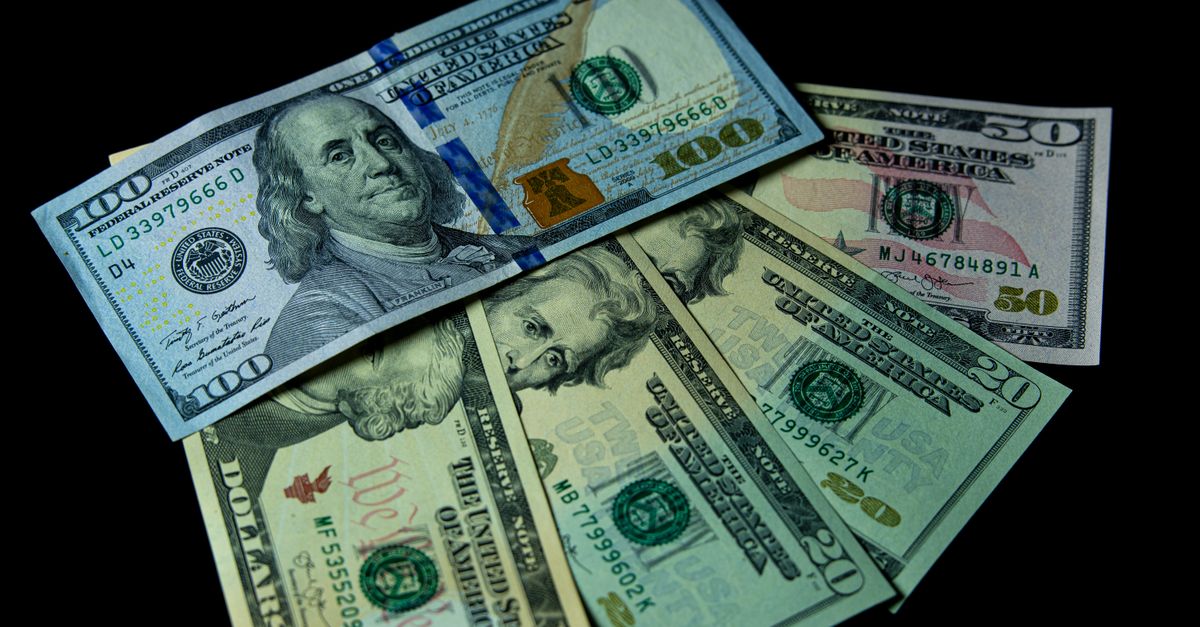
Hawaii Businesses Should Monitor Currency Shifts Amidst Easing US Dollar
Executive Brief
The US dollar is weakening as Federal Reserve rate hike expectations diminish, potentially impacting import costs and tourism competitiveness for Hawaii businesses. Operators should remain vigilant of currency market fluctuations over the next 60-90 days.
- Tourism Operators: Monitor foreign visitor spending trends as currency rates become more favorable.
- Investors: Assess the impact of a potentially stronger yen on Japanese investment in Hawaii real estate.
- Small Business Operators: Watch for shifts in the cost of imported goods and supplies.
- Agriculture Producers: Evaluate export competitiveness for products priced in USD.
The Change
The US dollar recently experienced its most significant weekly decline in approximately three months. This weakening is attributed to a tepid US jobs report released on Thursday, which has cooled market expectations for an imminent Federal Reserve interest rate hike. The prospect of the Fed holding interest rates steady, or hiking them at a slower pace than previously anticipated, reduces the attractiveness of the dollar for international investors seeking higher yields. This shift provides immediate relief for currencies sensitive to dollar strength, such as the Japanese yen.
Who's Affected
Tourism Operators
For Hawaii's tourism sector, a weaker US dollar can make the islands a more attractive and affordable destination for international visitors, particularly those from countries with currencies that have strengthened against the dollar, like Japan and potentially parts of Europe. This could lead to an increase in visitor arrivals and spending, benefiting hotels, tour operators, and related hospitality businesses. However, it may also affect the perceived value of US-dollar-denominated services for domestic tourists if they perceive pricing as having increased due less favorable exchange rates for their spending power abroad.
Investors
Investors, particularly those involved in international capital flows or holding yen-denominated assets, may see shifts in their portfolios. A stronger yen, for example, could increase the purchasing power of Japanese investors looking to acquire US assets, including Hawaii real estate. Conversely, US investors might see their foreign holdings appreciate in dollar terms. Portfolio managers should monitor how global economic indicators and central bank policies are influencing currency valuations and cross-border investment flows.
Small Business Operators
Small businesses in Hawaii that rely on imported goods for inventory (e.g., retail, restaurants) may see their operating costs fluctuate. A weaker dollar generally makes imports more expensive. If the dollar continues to weaken significantly, businesses that import supplies, equipment, or finished goods will likely face increased costs. This could squeeze profit margins unless these costs can be passed on to consumers, a challenging proposition in a price-sensitive market like Hawaii.
Agriculture & Food Producers
For Hawaii's agriculture and food producers, the impact is mixed. Those exporting goods priced in US dollars may find their products becoming more competitive on the international market if their foreign currency equivalents weaken against the dollar. However, producers who import significant inputs (fertilizer, machinery, feed) will face higher costs if the dollar weakens. The net effect will depend on the balance of exports versus imports for each producer.
Second-Order Effects
A sustained weakening of the US dollar can lead to increased demand for goods and services priced in other currencies. For Hawaii, this translates to potentially higher inbound tourism, boosting the hospitality sector. Increased demand can put pressure on local resources and labor. For example, a surge in tourism exacerbated by favorable exchange rates could strain the existing hotel workforce, potentially leading to increased wages as businesses compete for limited staff. This wage pressure then increases operating costs for tourism operators and other service-based small businesses.
What to Do
Tourism Operators
Monitor booking trends from key international markets, particularly Japan and Europe. Analyze the impact of currency exchange rates on tour package pricing and international visitor spending patterns. Ensure pricing strategies are flexible enough to capitalize on increased inbound demand while remaining competitive.
Investors
Review portfolios for currency exposure. Assess the potential impact of a weaker dollar on international investment strategies, particularly concerning yen-denominated assets and inbound foreign investment into Hawaii. Stay informed about Federal Reserve communications regarding future monetary policy.
Small Business Operators
For small businesses relying on imports, begin hedging strategies or explore diversifying supply chains to mitigate potential cost increases. Monitor the US dollar index and the value of currencies from key importing countries. If import costs rise significantly, evaluate the feasibility of passing these costs to customers or absorbing them through efficiency gains.
Agriculture Producers
Evaluate the cost-benefit of current export contracts if pricing is USD-denominated. For producers with significant imported input costs, explore forward contracts or alternative suppliers. Monitor international commodity prices and exchange rates relevant to your specific export markets.


