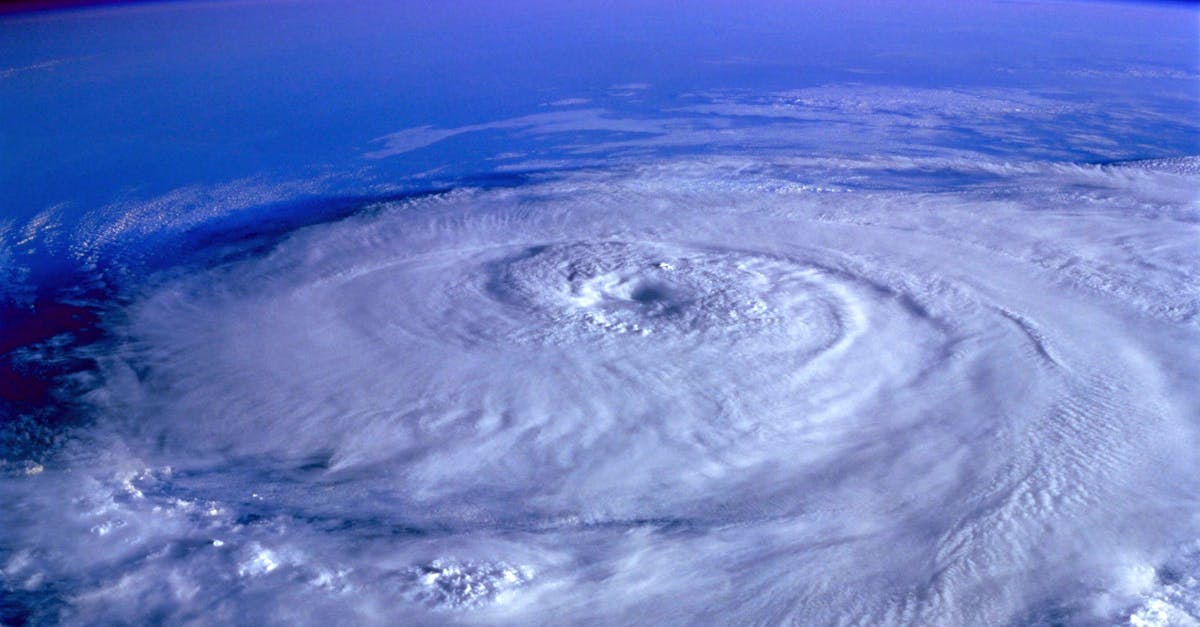
As the calendar flips to June, Hawaii businesses and residents are reminded that hurricane season has officially begun, running from June 1st through November 30th. This annual period brings with it the potential for significant disruption to businesses across the islands, making early preparation a critical step for ensuring operational continuity and safeguarding investments. With the Central Pacific region, including Hawaii, entering this period, businesses of all sizes should proactively assess their readiness.
According to a recent report from NOAA, the 2025 season is predicted to be less active than normal, with a 50% chance of a near-normal season and a 20% chance of being above-normal. However, the prediction also states that a below-normal season is possible and that it does not guarantee that Hawaii will be unaffected. The forecast calls for 1-4 tropical cyclones across the central Pacific. Regardless of the overall forecast, the potential for severe weather emphasizes the need for businesses to take preparedness seriously.
For Hawaii's entrepreneurs and business owners, this means reviewing and updating business continuity plans. This includes identifying potential risks, such as property damage, supply chain disruptions, and employee safety. Planning for potential disruptions is especially crucial for businesses in the tourism and hospitality sectors, which are particularly vulnerable to the impacts of hurricanes. These plans should incorporate strategies for securing physical assets, backing up critical data, and establishing communication protocols. Furthermore, businesses should ensure they have adequate insurance coverage, including flood and hurricane insurance, to mitigate financial losses. First Insurance Company of Hawaii provides information on securing proper insurance.
Preparing for hurricane season involves several key steps, from securing property to ensuring the safety of employees and customers. NOAA's guidelines recommend documenting possessions, creating a hurricane plan, and establishing out-of-town meeting locations. Engaging in these preventative measures enables businesses to minimize potential damages and maintain operations.
Beyond immediate preparedness, business owners should consider how climate change might affect their long-term strategies. Rising sea levels and more frequent extreme weather events could necessitate changes in property locations, infrastructure design, and business models. The focus on sustainability and resilience should become integral to Hawaiian business operations to remain competitive and viable in an uncertain future.