


Hawaii Crypto Kiosk Operators Face Potential Cash Deposit Ban, Affecting Access and Viability
Proposed legislation in Hawaii aims to combat widespread cryptocurrency scams, primarily targeting senior citizens, by potentially banning or severely restricting cash deposits at cryptocurrency kiosks. This move could significantly alter how these kiosks operate and the accessibility of cryptocurrency for Hawaii residents.
The Change
Lawmakers in Hawaii are considering new legislation in response to millions of dollars lost by residents through cryptocurrency kiosk scams. The proposed measures focus on limiting or outright banning cash deposits at these kiosks, which have been exploited by fraudsters to launder illicit funds and defraud victims, particularly those over 60. While no specific bill number or effective date has been set, the urgency stems from ongoing financial losses.
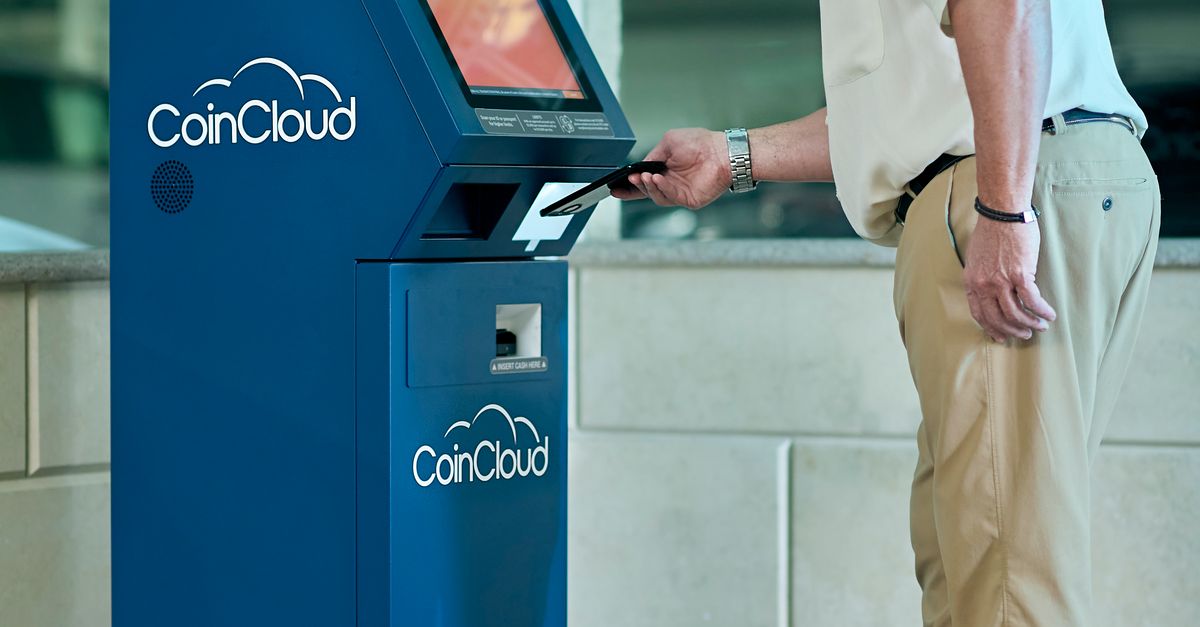
ginx (KHON2) reported that these kiosks, which resemble ATMs, facilitate the purchase of cryptocurrency using cash. Scammers have been directing victims to these kiosks to send money, often under duress, to untraceable cryptocurrency wallets. The proposed legislative action seeks to cut off this avenue for fraud by removing the cash-to-crypto conversion point.
Who's Affected
Small Business Operators
Businesses operating cryptocurrency kiosks in Hawaii face direct disruption. If cash deposits are banned or restricted, their primary revenue stream and user engagement model may become unviable. This could lead to significant operational adjustments, including potential kiosk deactivations or a shift to different transaction methods not reliant on cash. The specific impact will depend on the details of the final legislation, but it could necessitate significant changes to their business model within Hawaii.
Investors
Investors in cryptocurrency kiosk operations or related digital asset services in Hawaii will see an increase in regulatory risk. The proposed legislation signals a more interventionist approach by state lawmakers, which could deter future investment or lead to divestment. The viability of existing cryptocurrency kiosk businesses will be under scrutiny, potentially impacting their valuation and profitability. Furthermore, for investors interested in the broader digital asset space in Hawaii, this highlights the evolving regulatory landscape and the need for careful due diligence.
Remote Workers
For remote workers and digital nomads residing in Hawaii, cryptocurrency kiosks can serve as a convenient on-ramp for converting local cash into digital assets. A ban on cash deposits would reduce this accessible method, potentially requiring individuals to use more complex or less accessible online exchanges, which may have higher fees or require more identity verification steps. This could add a minor inconvenience to managing digital finances within the islands.
Second-Order Effects
-
Reduced kiosk viability → Potential decrease in accessible on-ramps for crypto → Lower adoption by cash-reliant individuals → Indirect impact on local digital economy growth.
-
Legislative action on crypto kiosks → Increased scrutiny on other fintech services → Potential for broader regulatory changes affecting financial innovation in Hawaii → Higher compliance costs for businesses.
What to Do
This situation warrants a WATCH approach. The core issue is legislative. Direct operational changes for kiosk operators and potential minor inconveniences for remote workers are contingent on future legislative action.
Action Details:
Monitor developments from the Hawaii State Legislature regarding bills targeting cryptocurrency kiosks and cash transactions. Pay close attention to bill proposals, committee hearings, and final votes. If legislation restricting or banning cash deposits is passed, kiosk operators will need to assess alternative transaction methods or potential business closures, while investors should re-evaluate risk exposure for Hawaii-based assets in this sector. Remote workers should be aware that existing kiosk access might change.


